Destination Overview
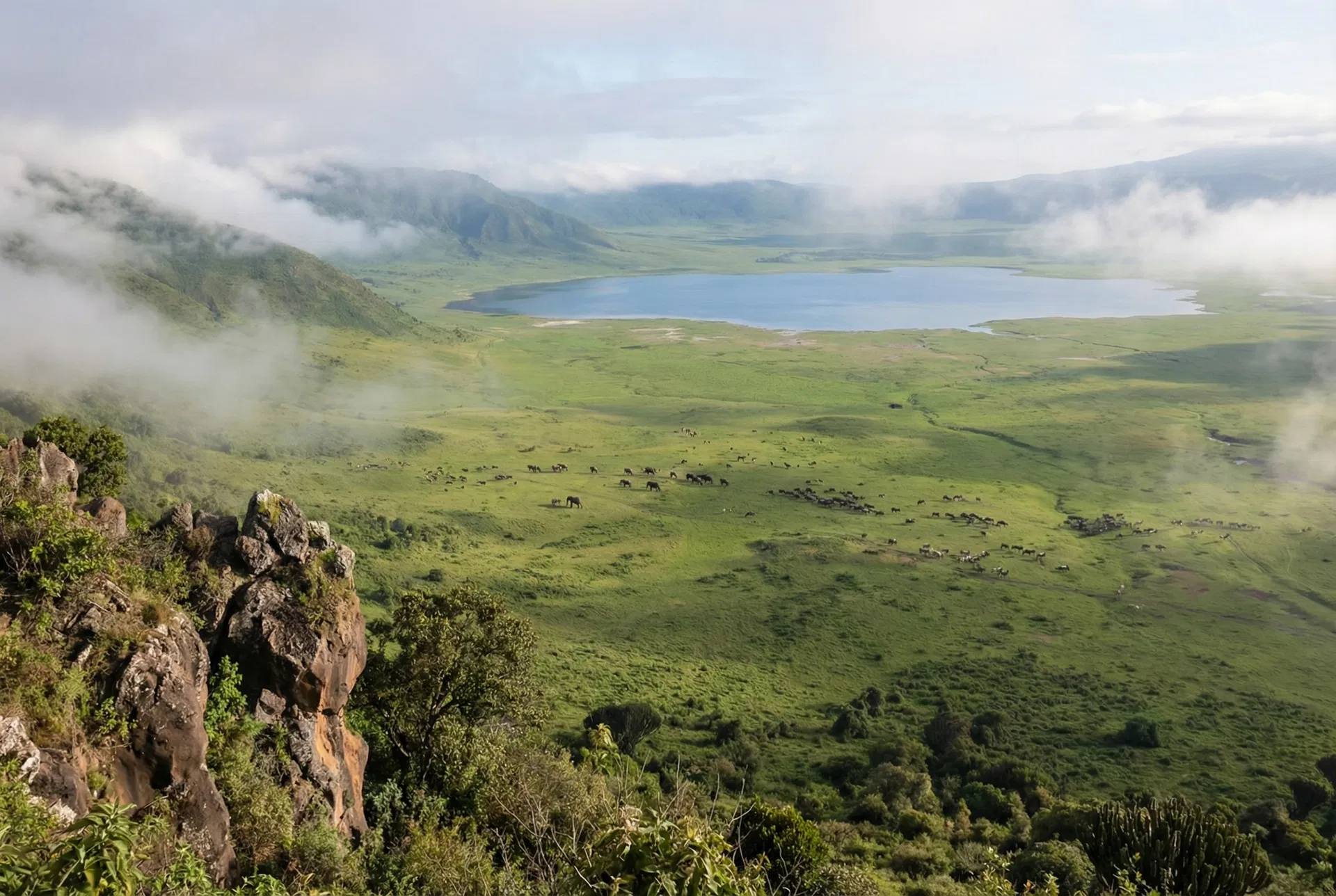
Often called the “Eden of Africa,” the Ngorongoro Crater is a breathtaking natural wonder and one of Africa’s most iconic safari destinations. Located in northern Tanzania, this UNESCO World Heritage Site is the world’s largest intact and unfilled volcanic caldera, formed when a massive volcano erupted and collapsed on itself some two to three million years ago. The result is a vast, 100-square-mile (260-square-kilometer) natural amphitheater with walls rising over 2,000 feet (610 meters), creating a self-contained ecosystem teeming with wildlife. Travelers are drawn to the Ngorongoro Crater for its stunning landscapes, exceptional wildlife viewing, and the unique opportunity to see a high concentration of animals, including the Big Five, in a relatively small area. The crater’s unparalleled beauty and biological significance make it a must-visit destination for any serious safari enthusiast.
Wildlife Highlights
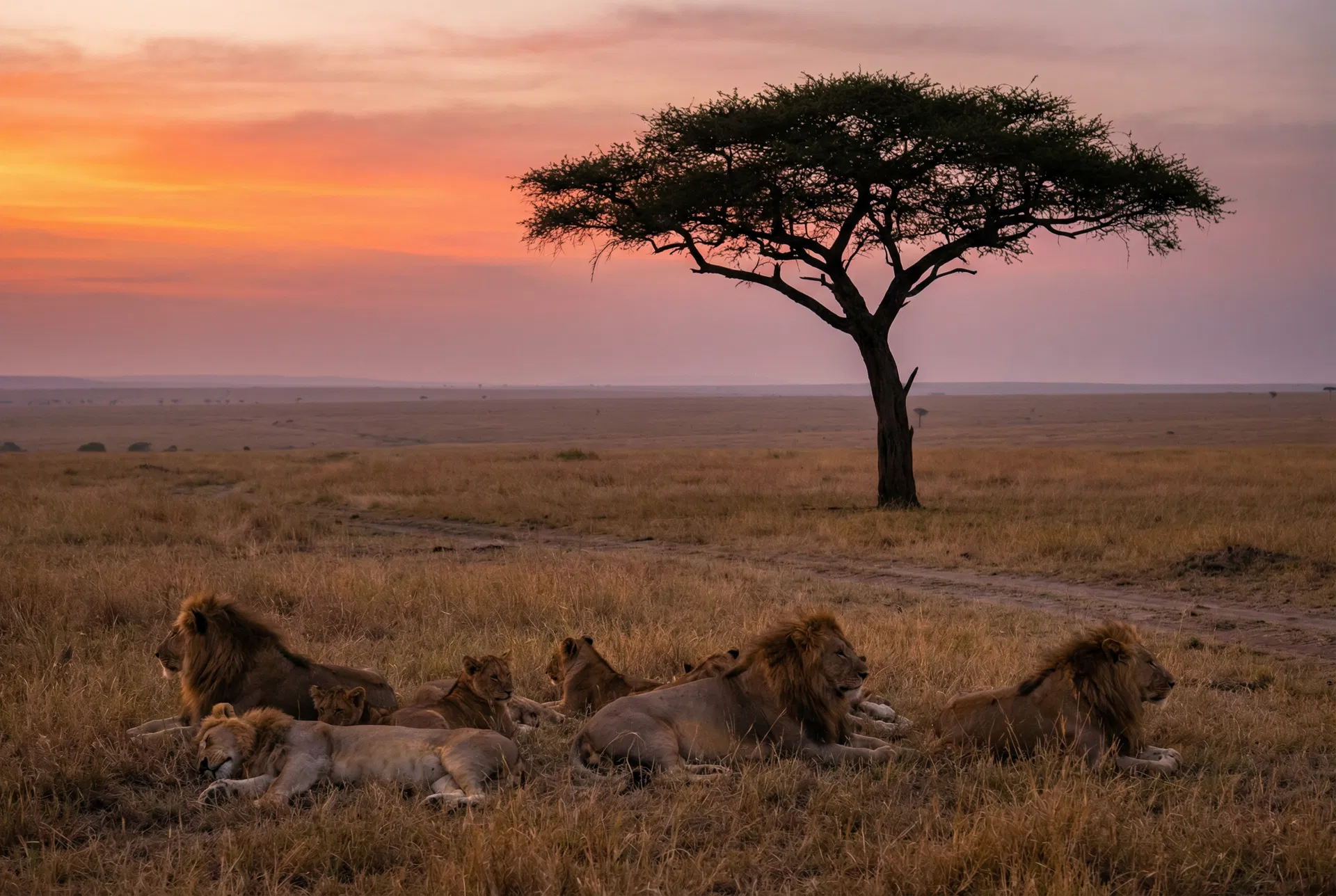
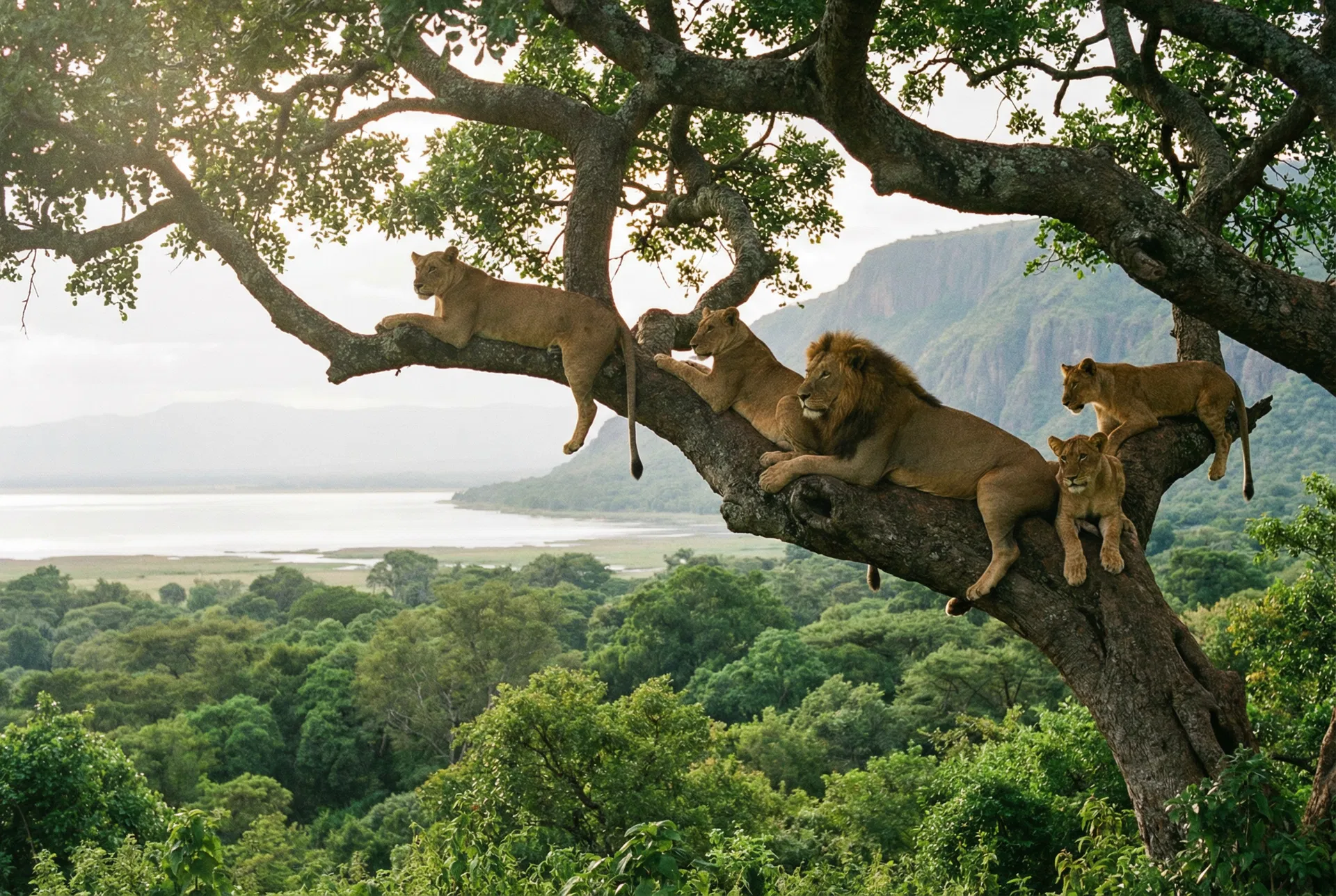
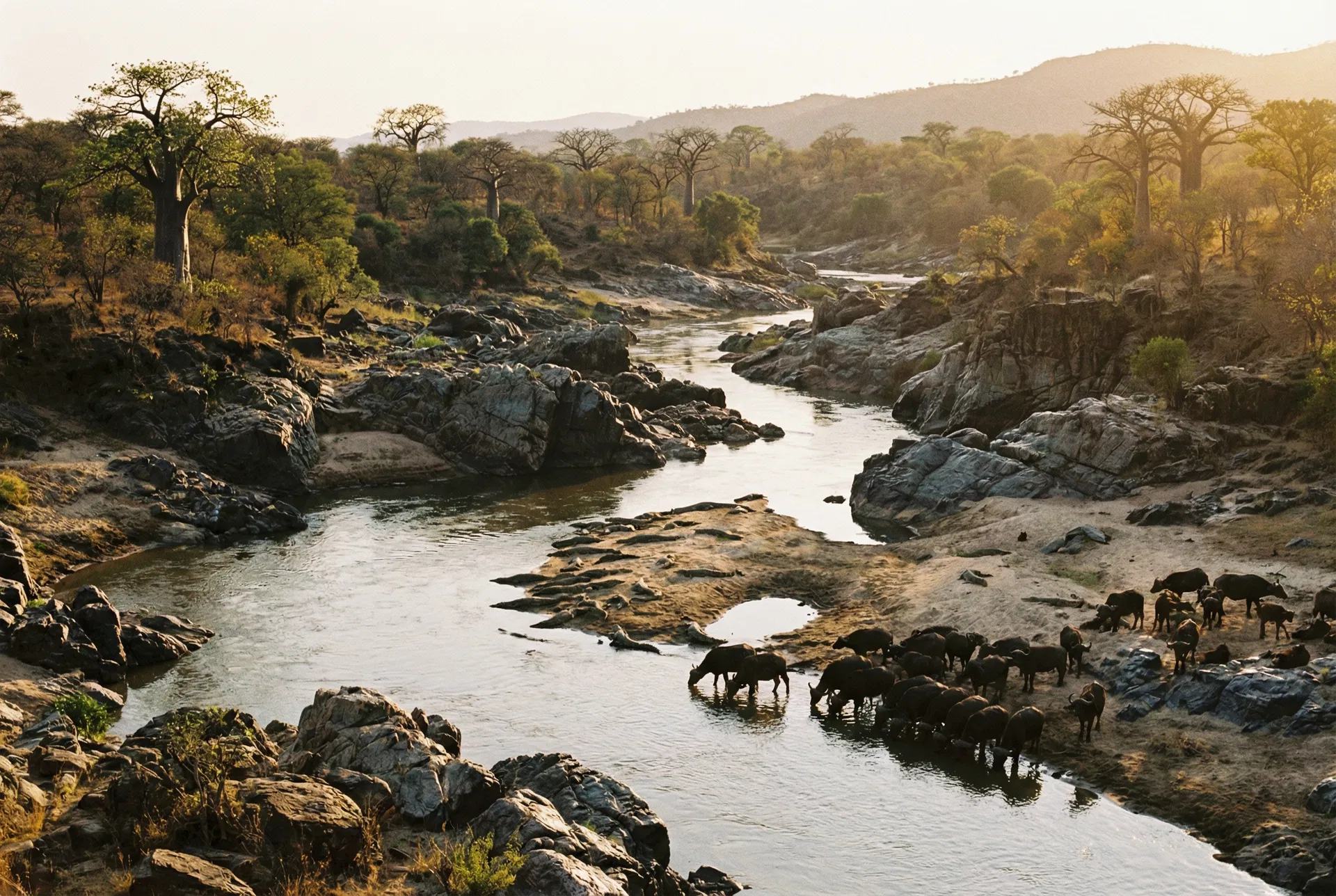
The Ngorongoro Crater is renowned for its extraordinary density of wildlife. The crater floor is home to an estimated 25,000 large animals, including a significant population of predators and prey. The crater provides a year-round water supply and abundant grazing, which supports a permanent residency of most of its wildlife. Key species that visitors can expect to see include the African buffalo, blue wildebeest, plains zebra, Thomson’s and Grant’s gazelles, and eland. The crater is also one of the best places in Africa to see the critically endangered black rhinoceros. The predator population is equally impressive, with a high density of lions, spotted hyenas, and cheetahs. Leopards are also present, though more elusive, often found in the Lerai Forest. Birdwatching is also exceptional, with over 500 species recorded, including the kori bustard, grey crowned crane, and flocks of lesser flamingos on Lake Magadi.
Best Time to Visit
The Ngorongoro Crater offers excellent wildlife viewing throughout the year, but the experience varies with the seasons. The dry season, from June to October, is generally considered the best time to visit for game viewing. During these months, the vegetation is less dense, and animals congregate around the remaining water sources, making them easier to spot. The weather is pleasant, with mild temperatures and clear skies. The wet season, from November to May, is divided into two periods: the “short rains” in November and December, and the “long rains” from March to May. While the rains can bring afternoon showers, they also transform the crater into a lush, green paradise. This is the best time for birdwatching, as migratory birds arrive in large numbers. The calving season for wildebeest and zebra is from January to March, which attracts a high number of predators, offering dramatic wildlife viewing opportunities.
Safari Experience
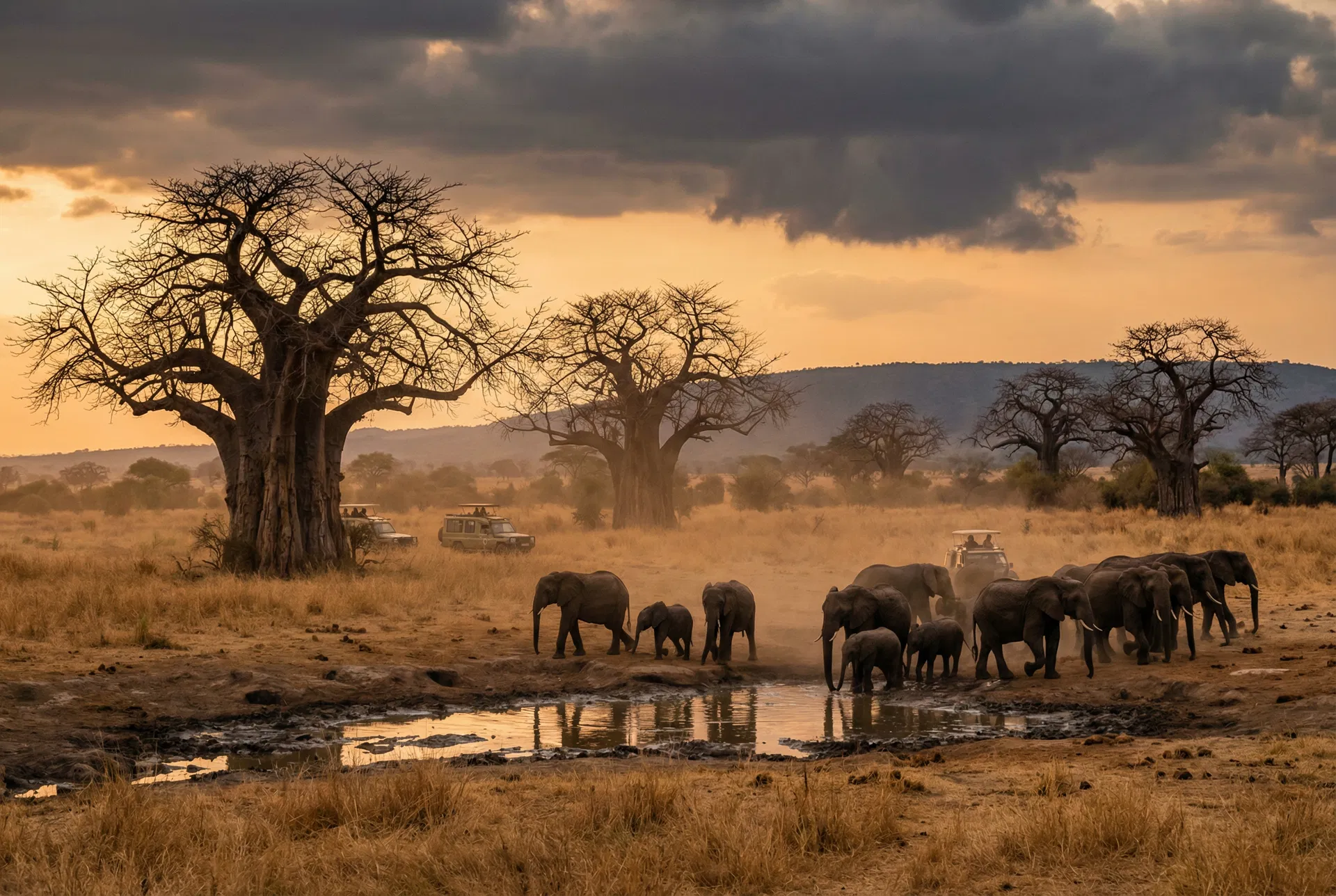
A safari in the Ngorongoro Crater is a unique and unforgettable experience. Game drives are the primary activity, conducted in 4x4 safari vehicles with pop-up roofs for optimal wildlife viewing and photography. Due to the crater’s protected status, off-road driving is not permitted, and game drives are limited to the crater floor. The descent into the crater is a thrilling experience in itself, with breathtaking views from the rim. A typical game drive lasts for a half or full day, allowing ample time to explore the diverse habitats of the crater, from the open grasslands to the acacia woodlands and the soda lake. Walking safaris are not allowed inside the crater but are available in the surrounding Ngorongoro Conservation Area, offering a different perspective on the region’s flora and fauna. Cultural visits to Maasai villages are also a popular activity, providing insight into the traditional lifestyle of the local people.
Landscape and Ecosystem
The Ngorongoro Crater is a masterpiece of geology and ecology. The crater floor is a mosaic of different habitats, each supporting a distinct community of plants and animals. The vast grasslands are the dominant feature, providing grazing for large herds of herbivores. The Lerai Forest, a small woodland of yellow-barked acacia trees, is a favorite haunt of elephants, leopards, and black rhinos. Lake Magadi, a shallow soda lake, attracts large flocks of flamingos and other water birds. The Gorigor Swamp and the Ngoitokitok Springs provide a permanent water source for the crater’s wildlife, especially during the dry season. The crater walls, covered in montane forest, create a natural barrier that has resulted in a unique and isolated ecosystem. This isolation has led to some interesting genetic adaptations in the crater’s wildlife populations, such as the large tusks of the resident elephants.
Safari Activities
While game drives are the main attraction in the Ngorongoro Crater, the surrounding Ngorongoro Conservation Area offers a variety of other activities. Visitors can embark on guided walking safaris along the crater rim, offering spectacular views and the chance to learn about the local flora and fauna from a knowledgeable guide. Cultural visits to a Maasai boma (a traditional homestead) provide a fascinating glimpse into the lives of the Maasai people, who have coexisted with the wildlife in this area for centuries. For those interested in paleoanthropology, a visit to the nearby Olduvai Gorge is a must. This world-famous archaeological site has yielded some of the most important hominid fossils ever discovered, earning it the nickname “the Cradle of Mankind.” Birdwatching is another popular activity, with the crater and the surrounding highlands offering a rich diversity of avian life.
Where It Is Located
The Ngorongoro Crater is located in the Ngorongoro Conservation Area in northern Tanzania, about 112 miles (180 kilometers) west of the city of Arusha. The nearest international airport is Kilimanjaro International Airport (JRO), which is about a 45-minute drive from Arusha. From Arusha, it is a scenic 3.5 to 4.5-hour drive to the Loduare Gate, the main entrance to the Ngorongoro Conservation Area. The road is paved for the first part of the journey, but the final stretch is a gravel road that can be rough in places. Alternatively, visitors can take a scheduled or chartered flight from Arusha to the Lake Manyara Airstrip, which is about a one-hour drive from the crater rim. The Ngorongoro Crater is often included in a larger northern Tanzania safari circuit, which also includes the Serengeti National Park and Tarangire National Park.
Who This Destination Is Best For
The Ngorongoro Crater is an ideal destination for a wide range of travelers. First-time safari-goers will appreciate the ease of wildlife viewing and the high chances of seeing the Big Five in a single day. The stunning landscapes and abundant wildlife make it a paradise for photographers. Luxury travelers will find a selection of high-end lodges perched on the crater rim, offering breathtaking views and world-class service. Families will enjoy the educational and exciting experience of a Ngorongoro safari, with plenty of opportunities to see animals up close. The crater’s relatively small size and easy accessibility make it a good choice for travelers with limited time. For those seeking a more adventurous experience, the surrounding Ngorongoro Conservation Area offers opportunities for walking safaris and cultural encounters. The combination of spectacular scenery, exceptional wildlife, and cultural richness makes the Ngorongoro Crater a truly unforgettable destination for everyone.