
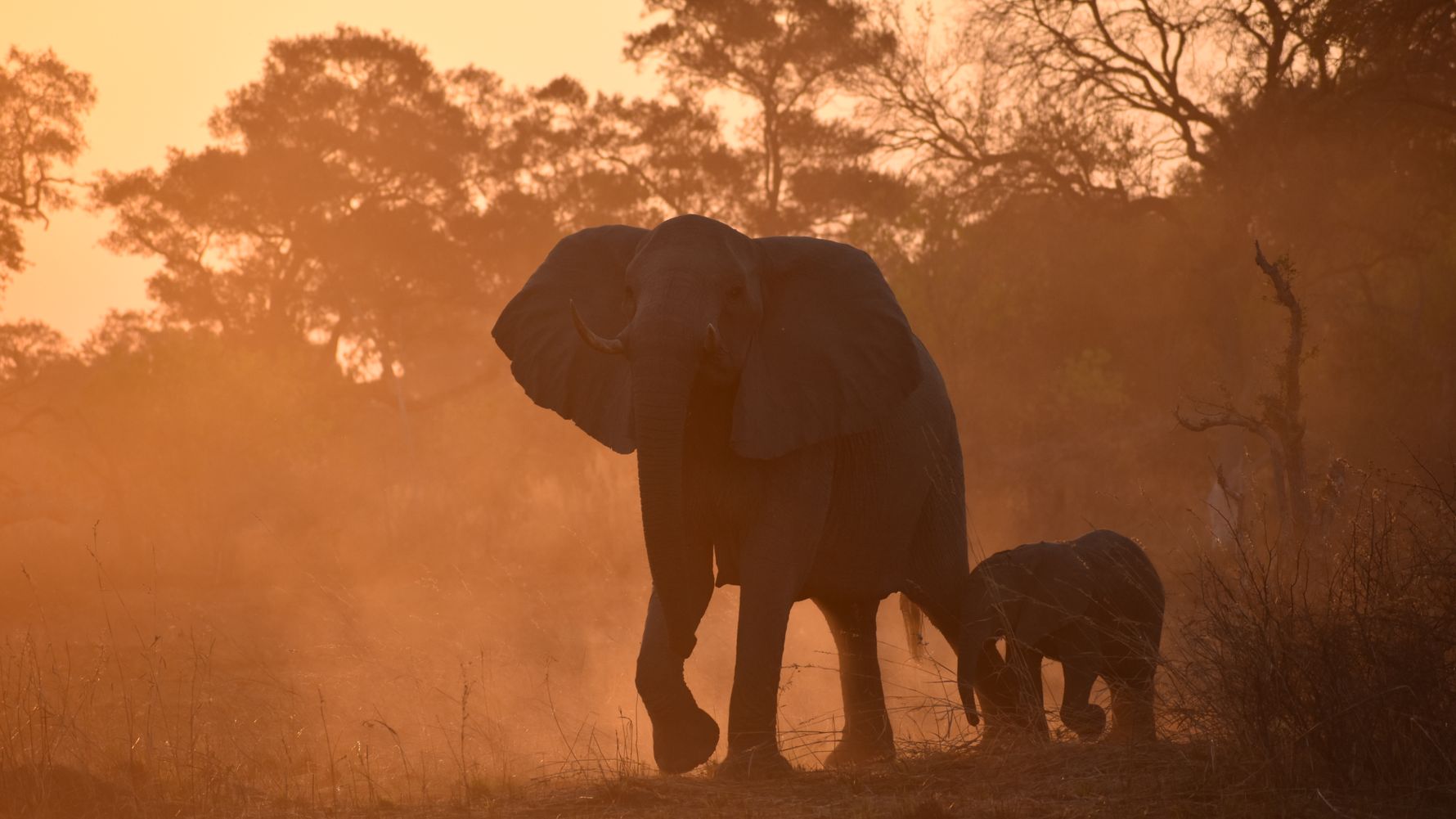
Your complete guide to Zimbabwe Safari Entry Requirements and Visas. Find the best destinations, planning tips, and more for your next safari adventure.
Zimbabwe Safari Entry Requirements and Visas
One of the most common questions we receive from safari travelers relates to zimbabwe safari entry requirements and visas. After helping hundreds of travelers plan their African adventures, we have compiled this detailed resource to address every aspect of this important topic.
Expert Recommendations
Safari advisors consistently recommend starting your planning process at least six to twelve months before your intended travel dates. This lead time allows you to secure preferred accommodations, take advantage of early booking rates, and properly prepare for all aspects of zimbabwe safari entry requirements and visas.
Working with a qualified safari planning guide can significantly improve your experience with zimbabwe safari entry requirements and visas. Advisors who have personal experience in your chosen destinations can provide insights that no guidebook or website can match. They understand the subtle differences between properties, the best times to visit specific areas, and how to structure an itinerary that maximizes your time.
Budget considerations play an important role in zimbabwe safari entry requirements and visas. While it is tempting to cut corners, experienced travelers consistently report that investing in quality where it matters most leads to significantly better outcomes. The key is knowing where to allocate your budget for maximum impact.
Still researching? Let us help.
Our advisory team has planned safaris across 9 African countries. We can turn your research into a real plan.
Talk to an AdvisorUnderstanding the Fundamentals
The foundation of zimbabwe safari entry requirements and visas begins with understanding the basic principles. Safari environments across Africa present unique conditions that differ significantly from what most travelers are accustomed to. In East Africa, the vast savannas of Kenya and Tanzania create one set of considerations, while the dense forests of Uganda and Rwanda present entirely different challenges. Southern African destinations like Botswana and South Africa add yet another dimension.
Experienced safari operators emphasize that preparation is the single most important factor in zimbabwe safari entry requirements and visas. This means doing your research well in advance, consulting with knowledgeable advisors, and being willing to adapt your plans based on current conditions. The best safari experiences come from travelers who approach their journey with both enthusiasm and informed flexibility.
Practical Planning Steps: Zimbabwe Safari Entry Requirements and Visas
Step three is creating a detailed plan that accounts for all aspects of zimbabwe safari entry requirements and visas. This should include timelines, budgets, backup options, and contingency plans. The most successful safari travelers are those who plan thoroughly while remaining flexible enough to adapt to changing conditions.
Step two involves researching your options thoroughly. Compare different destinations, operators, and approaches to zimbabwe safari entry requirements and visas. Read reviews from verified travelers, consult with safari operators, and cross-reference information from multiple sources.
Seasonal Factors and Timing: Zimbabwe Safari Entry Requirements and Visas
The timing of your safari significantly impacts zimbabwe safari entry requirements and visas. Dry season months, typically June through October in most East African destinations, offer different conditions than the green season months of November through May. Each period has distinct advantages and considerations.
Peak season brings excellent wildlife viewing but also higher prices and more crowded parks. Shoulder seasons offer a balance of good conditions and fewer crowds. Understanding how seasonal factors affect zimbabwe safari entry requirements and visas helps you choose the optimal time for your specific priorities.
Done Reading? Let's Build Your Safari.
Skip the guesswork. Work with an advisor who has been on the ground across East and Southern Africa.
Plan With UsVisa Types and Application Process
Zimbabwe offers several visa categories to accommodate different travel itineraries. As of early 2026, standard single-entry visas typically cost $30 USD for most nationalities, while a double-entry visa is approximately $45 USD. These can often be obtained upon arrival at major ports of entry, such as Robert Gabriel Mugabe International Airport (HRE) in Harare or Victoria Falls International Airport (VFA). However, to ensure a smooth arrival, we highly recommend applying for an e-visa in advance through the official government portal. The process is straightforward: create an account, fill out the application form, upload digital copies of your passport and a passport-sized photo, and pay the fee online. This foresight allows you to bypass potentially long queues and start your safari adventure sooner.
The KAZA UNIVISA: A Two-Country Advantage
For travelers whose itineraries include both Zimbabwe and Zambia, the Kavango-Zambezi Transfrontier Conservation Area (KAZA) UNIVISA is an invaluable asset. This special visa costs approximately $50 USD and allows unlimited border crossings between the two countries for a period of 30 days. Consider this case study: a traveler wishes to see the magnificent Victoria Falls from both the Zimbabwean and Zambian sides, a highly recommended experience. With a standard single-entry visa for Zimbabwe, they would need to purchase an additional visa to cross into Zambia and another to re-enter Zimbabwe. The KAZA UNIVISA eliminates this costly and time-consuming process. It is available to citizens of over 60 countries and can be obtained upon arrival at major airports in both Harare and Victoria Falls, making it a strategic and cost-effective choice for exploring this iconic region.
Related Resources
For more information on planning your safari, explore our destination guides, browse the safari operator directory, or connect with an experienced safari planning guide for personalized guidance.
Health and Vaccination Requirements
Beyond your visa, understanding Zimbabwe's health requirements is a critical step in your safari preparation. While Zimbabwe does not universally require a Yellow Fever vaccination certificate, it is mandatory if you are arriving from a country with a known risk of Yellow Fever transmission. Always check the latest list of at-risk countries with your doctor or a travel clinic before you travel. It is a crucial detail that can prevent significant travel disruptions.
Malaria is prevalent in many parts of Zimbabwe, including popular safari destinations like Mana Pools and Hwange National Park, especially during the rainy season (November to April). We strongly advise consulting your physician about anti-malarial prophylaxis. Additionally, practical preventative measures are essential. Use insect repellent containing DEET, wear long-sleeved shirts and trousers during the evening, and ensure your accommodations, such as camps like Ruckomechi Camp in Mana Pools, provide mosquito nets over the beds. For more tailored advice, our safari operators can connect you with operators who prioritize health and safety.
Customs Declarations: Drones and Currency
Navigating customs upon arrival is another key aspect of your entry. While personal effects are standard, specific items require special attention. The use of personal drones is heavily regulated in Zimbabwe. You cannot simply bring a drone into the country for recreational use without prior authorization. You must obtain a permit from the Civil Aviation Authority of Zimbabwe (CAAZ) well in advance of your trip. Attempting to bring a drone in without a permit will likely result in its confiscation at the airport.
Regarding currency, Zimbabwe uses a multi-currency system, with the US Dollar being the most widely accepted foreign currency. It is wise to carry a sufficient amount of cash in small denominations for tips, market purchases, and visa fees. While there is no limit to the amount of foreign currency you can bring in, you must declare any amount exceeding $10,000 USD upon arrival. Failing to do so can lead to legal complications when you depart.
Arriving by Land: Border Crossing Points
While many travelers arrive by air, Zimbabwe shares land borders with South Africa, Botswana, Zambia, and Mozambique, offering scenic overland routes. The most common border crossings for safari-goers include:
| Border Crossing | Connecting Country | Nearby Attraction | Insider Tip | | :--- | :--- | :--- | :--- | | Beitbridge | South Africa | Gonarezhou NP | Can be very busy; allow for several hours to clear customs and immigration. | | Kazungula | Botswana | Chobe National Park | A popular route for combined Botswana/Zimbabwe itineraries. The new bridge has streamlined the process. | | Victoria Falls | Zambia | Victoria Falls | Straightforward crossing, ideal for those using the KAZA UNIVISA to see the falls from both sides. |
When crossing by land, ensure you have all your vehicle and personal documentation readily available, including passports, visa paperwork (or cash for a visa on arrival), and vehicle registration if self-driving. Border operating hours can vary, so it's essential to check them in advance, a task a good safari operator will handle for you.
Need Expert Safari Guidance?
Get expert advisory support from a firm founded by a former safari guide — with real operational knowledge across 9 African countries and full-journey accountability.
Related Planning Guides
Recommended Reading
 Country Guides
Tanzania Safari Entry Requirements and Visas
Your complete guide to Tanzania Safari Entry Requirements and Visas. Find the best destinations, planning tips, and more for your next safari adventure.
 Country Guides
Kenya Safari Entry Requirements and Visas
Your complete guide to Kenya Safari Entry Requirements and Visas. Find the best destinations, planning tips, and more for your next safari adventure.
 Country Guides
Botswana Safari Entry Requirements and Visas
Your complete guide to Botswana Safari Entry Requirements and Visas. Find the best destinations, planning tips, and more for your next safari adventure.
 Safari Advisor Content
How a Safari Advisor Helps With Visa Requirements
Discover the essentials of how a safari advisor helps with visa requirements for an unforgettable African safari adventure.
 Safari Planning
Visa Requirements for African Safaris
Learn about visa requirements for African safaris, including e-Visas, visas on arrival, and visa-free travel for popular safari destinations.
 Safari Cost Guides
How Much Does a Zimbabwe Safari Cost in 2026
Planning a safari? Learn about how much does a zimbabwe safari cost in 2026. Get expert advice and insights from Safari Intelligence to plan your perfect trip.