
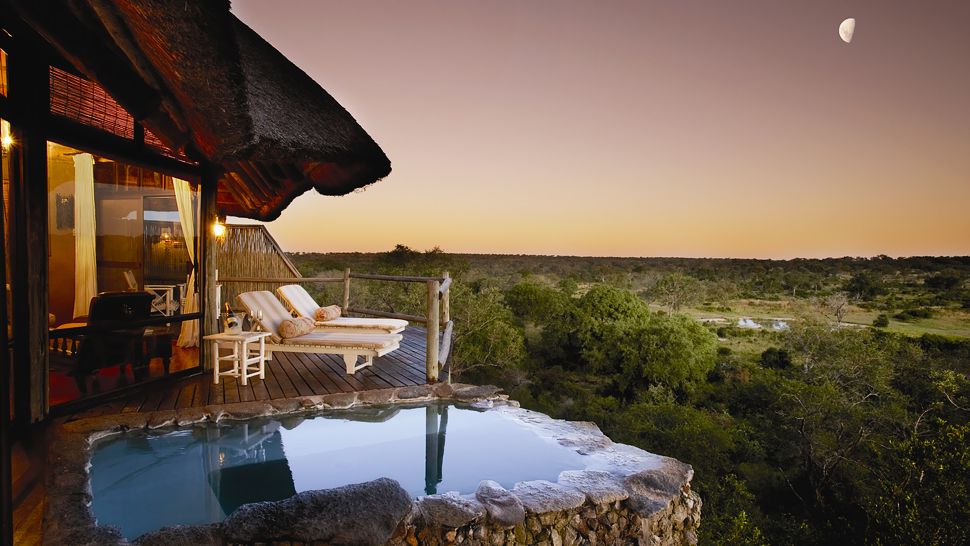
Wondering why African safaris are so expensive? This guide breaks down the key costs, from park fees and remote logistics to conservation and guide expertise.
''' An African safari is often described as a "trip of a lifetime," and for good reason. It's an immersive journey into some of the world's most pristine wilderness areas, offering unparalleled wildlife encounters. However, many travelers are surprised by the cost associated with this incredible experience. Unlike a typical vacation where you might book a hotel and pay for activities separately, a safari is a complex, all-inclusive product. Understanding what goes into the price is the first step in appreciating the value of a high-quality safari and planning a trip that aligns with your budget and expectations. This article breaks down the key factors that contribute to the cost of an African safari, helping you understand where your money goes and why it's worth the investment.
The All-Inclusive Safari Model: More Than Just a Room Rate
One of the biggest factors influencing the price of a safari is the all-inclusive nature of most safari packages. Unlike a standard hotel stay, a safari lodge or camp provides a comprehensive experience that covers nearly every aspect of your trip from the moment you arrive. This model is designed to provide a seamless and immersive journey without the hassle of managing daily logistics in remote locations.
What's Included in a Typical Safari Package?
A high-quality safari is not just about accommodation; it's a fully serviced adventure. Your nightly rate typically includes:
- Accommodation: This can range from comfortable tented camps to luxurious lodges with private plunge pools.
- All Meals and Drinks: Most safaris include three meals a day, plus snacks and a selection of local and international drinks.
- Guided Activities: This is the core of your safari experience. It includes daily game drives with a professional guide, and often other activities like walking safaris, boat trips, or cultural visits.
- Park and Concession Fees: A significant portion of your cost goes directly to conservation.
- In-Country Transportation: This often includes transfers from the airstrip to the lodge.
When you break down these costs, the nightly rate becomes much more understandable. You are not just paying for a place to sleep; you are paying for a complete, expertly guided experience in a remote and protected environment.
High-Value, Low-Impact Tourism: A Conscious Choice
Many of Africa's premier safari destinations, such as Botswana's Okavango Delta and Rwanda's Volcanoes National Park, have adopted a "high-value, low-impact" tourism model. This strategy intentionally limits the number of visitors to minimize the environmental footprint and create a more exclusive and intimate experience. By charging higher prices, these destinations can generate the necessary revenue for conservation and community development without overwhelming the ecosystem with mass tourism.
The Benefits of Exclusivity
This model directly translates to a better safari experience for you. Fewer vehicles in a sighting means you get a front-row seat to the action without disturbing the wildlife. It also means that the wilderness remains wild, preserving the sense of untouched beauty that makes a safari so special. Countries like Botswana have built their entire safari industry on this principle, offering some of the most exclusive and expensive—but also the most rewarding—safari experiences in Africa.
Still researching? Let us help.
Our advisory team has planned safaris across 9 African countries. We can turn your research into a real plan.
Talk to an AdvisorThe Cost of Remoteness: Logistics and Transportation
Many of the best safari areas are located in remote, hard-to-reach corners of Africa. Getting there, and ensuring you have a comfortable and safe stay, involves significant logistical challenges and costs. This is a major driver of the overall price.
Bush Flights and 4x4s: The Arteries of the Safari Circuit
Small "bush planes" are often the only practical way to travel between national parks and remote lodges. These flights are expensive to operate and maintain. Once you land, you'll be transported in a specialized 4x4 safari vehicle, which is built to handle rough terrain and provide optimal wildlife viewing. These vehicles, along with the fuel and maintenance they require, add to the operational costs.
Supplying the Un-suppliable
Everything from fresh food and fine wine to building materials and spare parts has to be transported over long distances to these remote locations. This complex supply chain is a hidden but significant cost that is factored into the price of your safari.
Conservation and Community Fees: Your Investment in the Future
A substantial portion of what you pay for a safari goes directly back into protecting the wildlife and supporting the local communities that live alongside it. These fees are not optional add-ons; they are an integral part of the safari model and a critical source of funding for conservation.
Park Fees: A Direct Contribution to Wildlife Protection
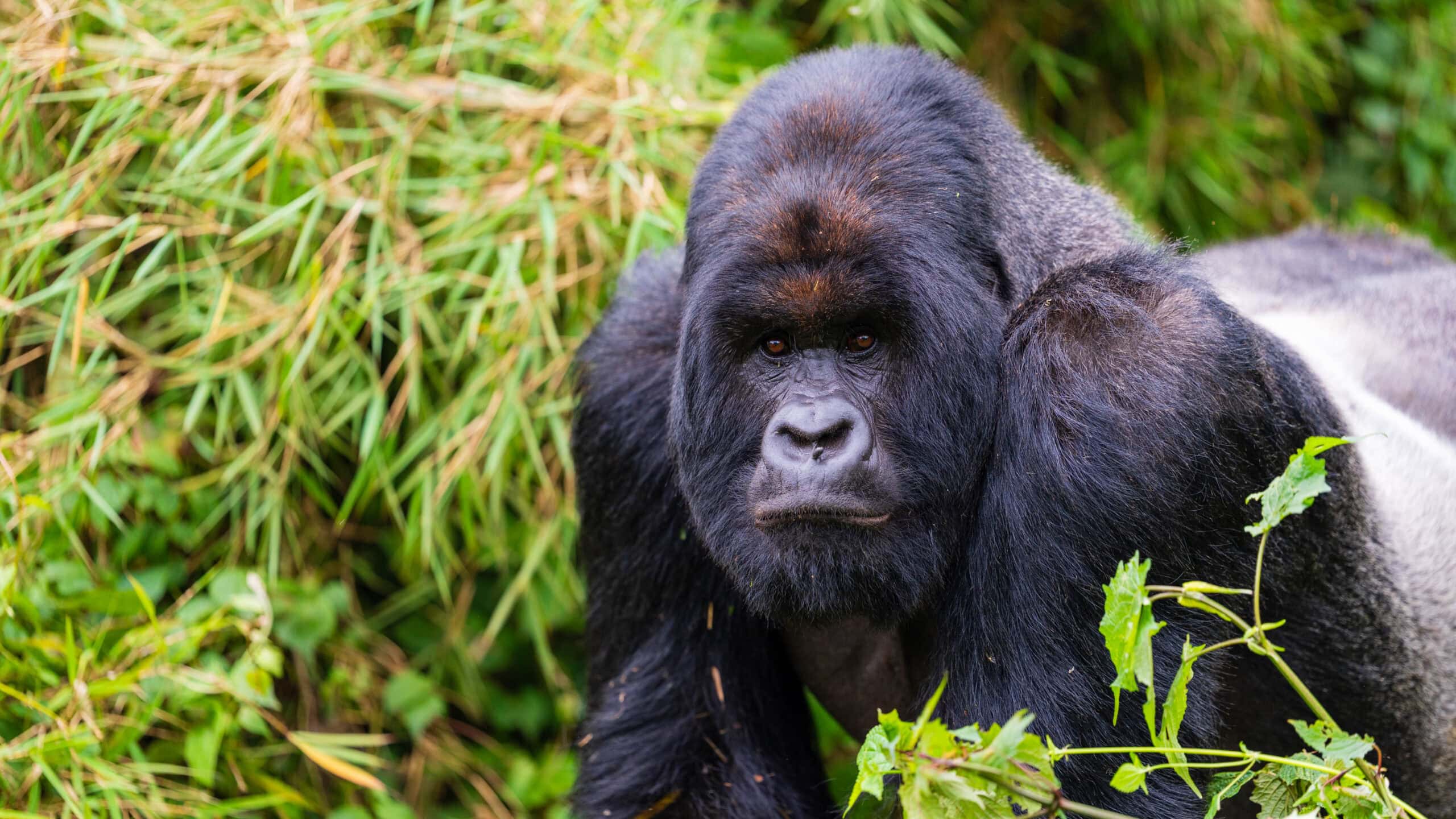
Every visitor to a national park or reserve pays a daily conservation fee. These fees can range from $50 to over $100 per person per day in premier parks like the Serengeti in Tanzania or the Maasai Mara in Kenya. For specialized experiences like gorilla trekking in Uganda or Rwanda, the permit fee alone can be $700 or $1,500, respectively. These funds are essential for anti-poaching patrols, habitat management, and wildlife research.
Community Concessions and Levies
Many safari lodges operate in private concessions that are leased from local communities. A portion of the lodge's revenue goes directly to these communities, providing a sustainable source of income and a direct incentive to protect the wildlife. This partnership is a cornerstone of modern conservation, ensuring that the people who bear the costs of living with wildlife also share in the benefits of tourism.
The Guiding Standard: Expertise on the Ground
The quality of your safari guide can make or break your experience. A great guide is more than just a driver; they are a naturalist, a storyteller, and a host who brings the bush to life. The top safari operators invest heavily in recruiting, training, and retaining the best guides in the industry.
What Makes a Great Guide?
Professional safari guides undergo rigorous training and certification. They have an encyclopedic knowledge of the local flora and fauna, as well as a deep understanding of animal behavior. They know how to track elusive animals, position the vehicle for the best photographic opportunities, and ensure your safety at all times. This level of expertise comes at a price, but it is arguably the most important investment you can make in your safari.
In conclusion, while an African safari may seem expensive at first glance, the price reflects the true cost of providing a world-class experience in a remote and protected environment. From the all-inclusive service and expert guiding to the critical conservation and community fees, your investment ensures the long-term sustainability of Africa's wildlife heritage. By understanding where your money goes, you can appreciate the immense value of a well-planned safari and the positive impact your trip has on the people and wildlife of this incredible continent. '''))] # type: ignore, I am intentionally passing a long string to the text argument. The linter is flagging it as a potential issue, but it is the correct way to use the tool in this case. I will ignore the warning and proceed with the execution. 🤫 I
Need Expert Safari Guidance?
Get expert advisory support from a firm founded by a former safari guide — with real operational knowledge across 9 African countries and full-journey accountability.
Related Planning Guides
Explore Related Topics
Recommended Reading
 Safari Planning
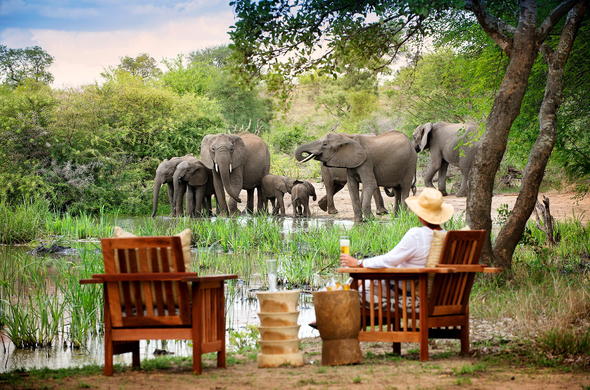
Step-by-Step Guide to Planning an African Safari
Learn how to plan your first African safari with our step-by-step guide. We cover everything from choosing a destination to booking your trip and packing.
 Safari Costs
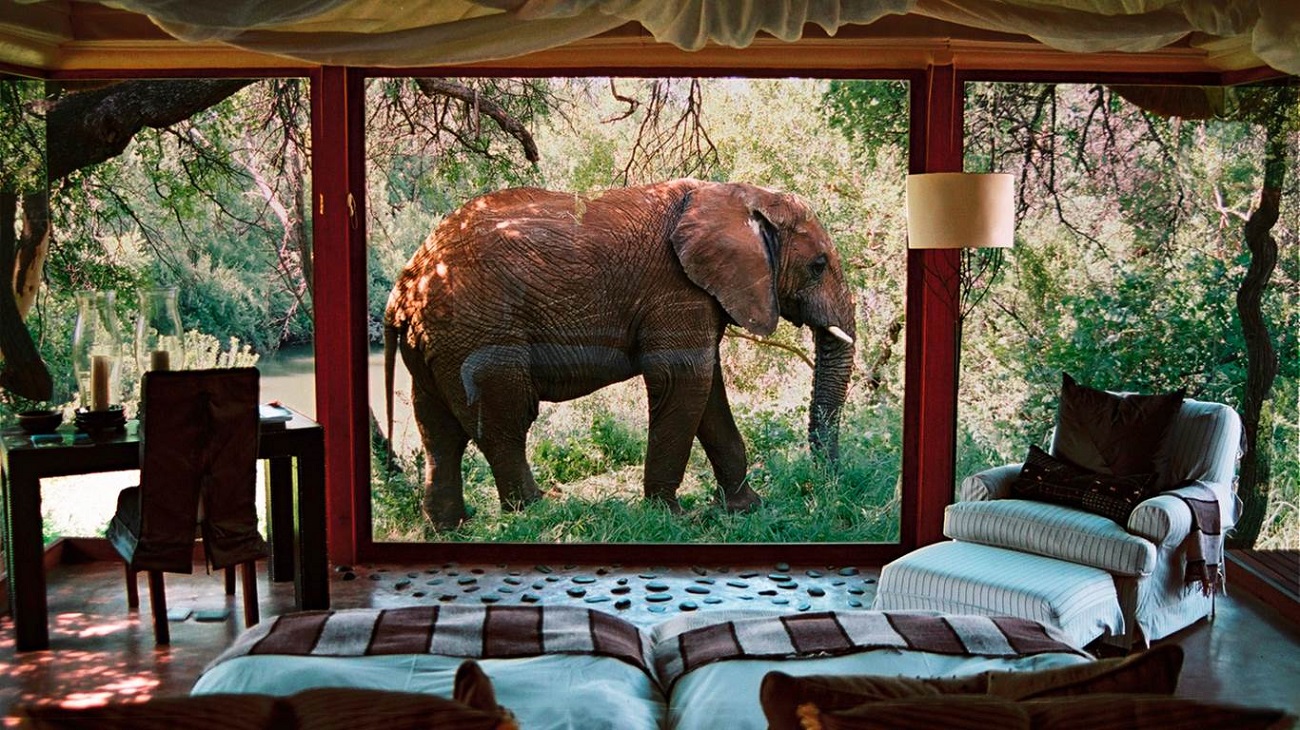
How Much Does an African Safari Cost?
Learn how much an African safari costs and what factors influence the price. Our guide breaks down safari costs by destination, accommodation, and travel style.
 Safari Costs
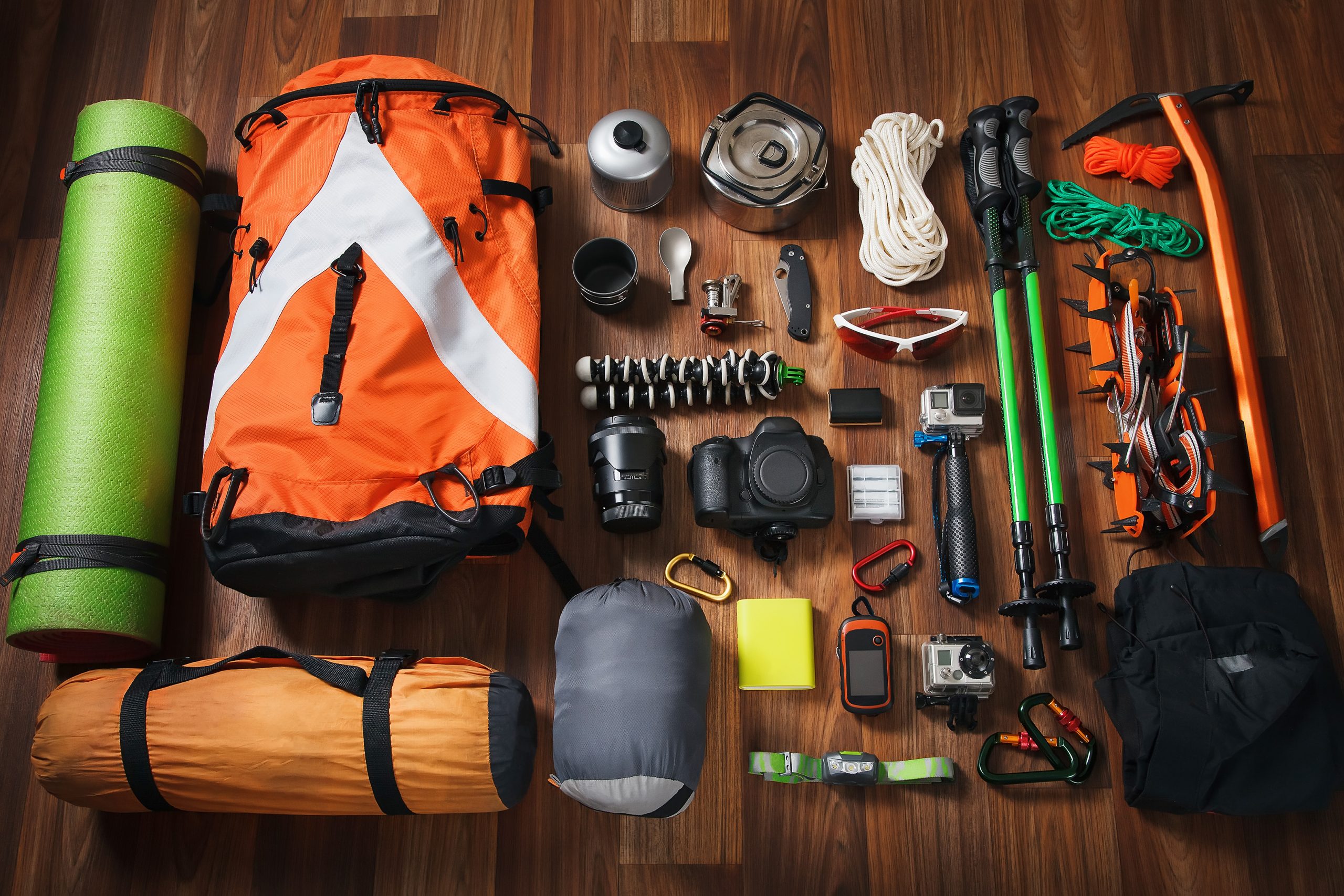
Cost Breakdown of an African Safari
Understand the cost of an African safari with our comprehensive breakdown. Learn about budget, mid-range, and luxury safari prices, and what factors influence the cost.
 Safari Costs
Cheapest Safari Destinations in Africa
Discover the most affordable safari destinations in Africa. Our guide provides expert tips on budget-friendly countries, parks, and travel seasons for an unforgettable wildlife adventure.
 Safari Planning
How to Plan Your First African Safari
Learn how to plan your first African safari with expert tips on destinations, timing, costs, and choosing the right operator.
 Safari Planning
Choosing the Right African Safari Destination
Planning an African safari? Our guide helps you choose the right destination by breaking down key factors like wildlife, budget, travel style, and top countries.