
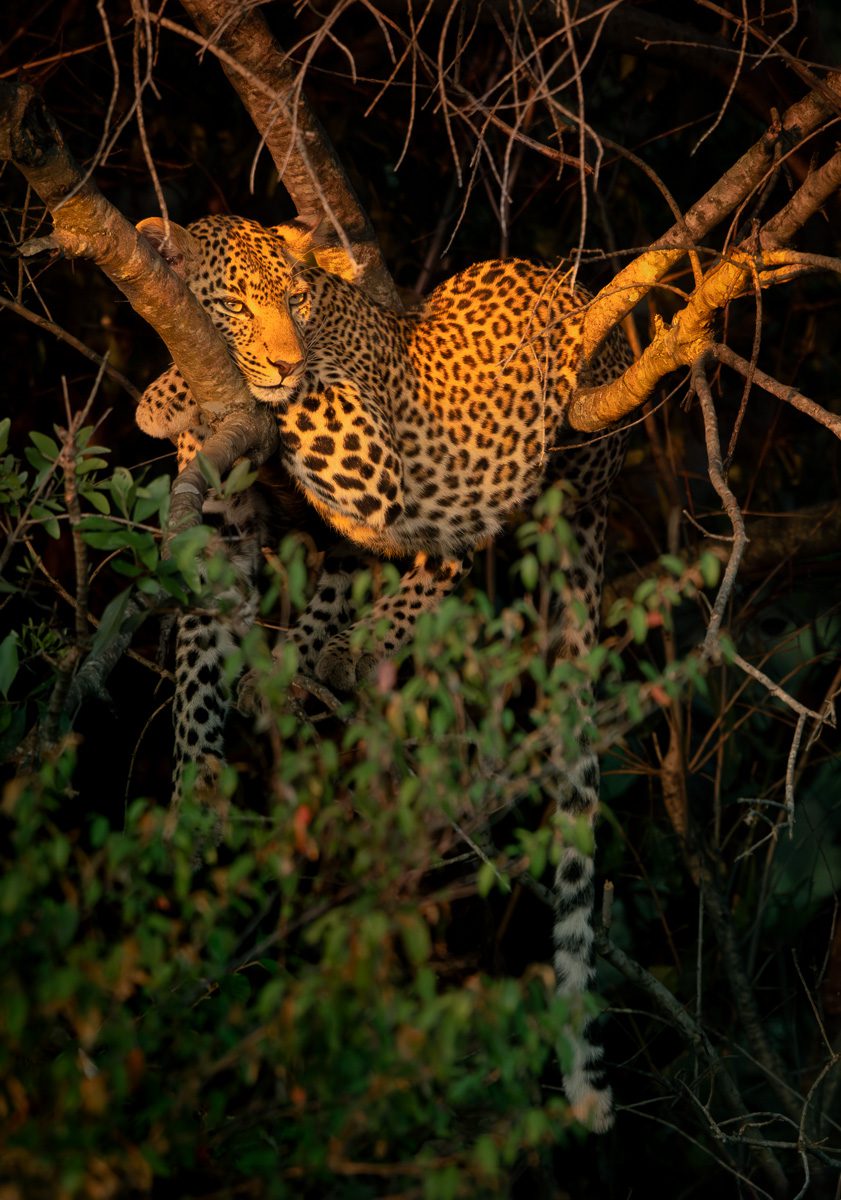
An in-depth comparison of Safari in June vs Safari in December to help you choose the perfect safari experience. Explore the pros, cons, and key differences to
Safari in June vs Safari in December
Africa offers some of the most incredible wildlife experiences on Earth, and getting safari in june vs safari in december right is essential to making the most of your journey. Here is what experienced safari guides and advisors recommend.
Safety and Health Considerations: Safari in June vs Safari in December
Health preparation is an essential component of safari in june vs safari in december. Consult with a travel medicine specialist at least six weeks before your departure to discuss vaccinations, malaria prophylaxis, and other health precautions specific to your destinations.
Travel insurance that specifically covers safari activities is strongly recommended. Standard travel insurance policies may not cover all the activities and situations you might encounter on an African safari. Ensure your policy covers medical evacuation, trip cancellation, and activity-specific risks.
Safety is paramount when it comes to safari in june vs safari in december on safari. Reputable operators maintain strict safety protocols and employ experienced guides who are trained to handle a wide range of situations. Always verify that your chosen operator has proper licensing, insurance, and safety certifications.
Still researching? Let us help.
Our advisory team has planned safaris across 9 African countries. We can turn your research into a real plan.
Talk to an AdvisorSeasonal Factors and Timing
Peak season brings excellent wildlife viewing but also higher prices and more crowded parks. Shoulder seasons offer a balance of good conditions and fewer crowds. Understanding how seasonal factors affect safari in june vs safari in december helps you choose the optimal time for your specific priorities.
Weather patterns across Africa are becoming less predictable due to climate change, which adds another layer of consideration to safari in june vs safari in december. Working with operators who have current, on-the-ground knowledge of conditions is more important than ever.
The timing of your safari significantly impacts safari in june vs safari in december. Dry season months, typically June through October in most East African destinations, offer different conditions than the green season months of November through May. Each period has distinct advantages and considerations.
Making the Most of Your Experience
Finally, remember that a safari is more than just wildlife viewing. The cultural experiences, landscapes, and personal connections you make along the way are equally valuable. Approaching safari in june vs safari in december with this broader perspective will enrich your entire journey.
To truly optimize safari in june vs safari in december, approach your safari with an open mind and realistic expectations. Africa has a way of surprising even the most experienced travelers, and some of the best moments come from unexpected encounters and unplanned detours.
Photography enthusiasts should pay special attention to safari in june vs safari in december as it relates to their equipment and technique. The lighting conditions, distances, and movement patterns of African wildlife create unique challenges and opportunities that benefit from advance preparation.
Understanding the Fundamentals: Safari in June vs Safari in December
The foundation of safari in june vs safari in december begins with understanding the basic principles. Safari environments across Africa present unique conditions that differ significantly from what most travelers are accustomed to. In East Africa, the vast savannas of Kenya and Tanzania create one set of considerations, while the dense forests of Uganda and Rwanda present entirely different challenges. Southern African destinations like Botswana and South Africa add yet another dimension.
Experienced safari operators emphasize that preparation is the single most important factor in safari in june vs safari in december. This means doing your research well in advance, consulting with knowledgeable advisors, and being willing to adapt your plans based on current conditions. The best safari experiences come from travelers who approach their journey with both enthusiasm and informed flexibility.
Done Reading? Let's Build Your Safari.
Skip the guesswork. Work with an advisor who has been on the ground across East and Southern Africa.
Plan With UsJune Safari Deep Dive: The Dry Season Advantage
June marks the beginning of the peak dry season in many of East Africa's premier safari destinations. With sparser vegetation and diminishing water sources, wildlife congregates around rivers and waterholes, making for exceptional and predictable game viewing. This is a prime time for travelers who prioritize seeing a high density of animals with minimal obstruction from thick bush.
Tanzania's Western Serengeti: In June, the Great Migration is often centered in the Serengeti's Western Corridor. This is the time for the famous Grumeti River crossing, where massive herds of wildebeest and zebra face the peril of giant crocodiles. A classic example would be a stay at a lodge near the Grumeti River, which offers a front-row seat to this dramatic spectacle. Beyond the migration, the resident wildlife, including big cats and elephants, is abundant and easier to spot.
Botswana's Okavango Delta: While East Africa is drying out, Botswana's Okavango Delta is in full flood from waters arriving from the Angolan highlands. This creates a unique safari experience where you can explore the waterways in a mokoro (traditional dugout canoe). It's an incredible time for birdwatching and offers a different perspective on the ecosystem, with sightings of lechwe and sitatunga antelope adapted to the wetlands.
December Safari Deep Dive: The Green Season's Bounty
December ushers in the 'green season' in much of East and Southern Africa. While sometimes associated with rain, this period brings lush landscapes, newborn animals, and fewer crowds. The rains are often short afternoon thunderstorms, leaving the air clear and the scenery vibrant—a photographer's dream.
Tanzania's Southern Serengeti (Ndutu): This is arguably one of the best times to be in Tanzania. From late December through March, the vast plains of the Ndutu region, technically within the Ngorongoro Conservation Area, become the nursery for the Great Migration. Hundreds of thousands of wildebeest give birth almost simultaneously, creating a bonanza for predators. Witnessing the sheer number of calves and the attendant drama of cheetahs, lions, and hyenas hunting is an unforgettable experience that defines the circle of life on the savanna.
Related Resources
For more information on planning your safari, explore our destination guides, browse the safari operator directory, or connect with an experienced safari planning guide for personalized guidance.
June vs. December Safari: A Detailed Comparison
To help you make an informed decision, here is a detailed breakdown of what to expect from a safari in June versus one in December. This comparison covers key safari destinations and factors to consider, from wildlife viewing to travel costs.
| Feature | Safari in June | Safari in December | Insider Tip | | ------------------------ | -------------------------------------------------------------------------------------------------------------------------------------------- | --------------------------------------------------------------------------------------------------------------------------------------------- | --------------------------------------------------------------------------------------------------------------------------------------------------------------------- | | Key Destinations | Tanzania (Western Serengeti): Grumeti River crossings. Botswana (Okavango Delta): Peak flood season. Zambia (South Luangwa): Prime time for walking safaris. | Tanzania (Ndutu, Southern Serengeti): Calving season begins. Kenya (Maasai Mara): Lush green landscapes, resident wildlife is plentiful. Uganda: Excellent for gorilla trekking post-rains. | In June, focus on river systems. In December, the southern plains of the Serengeti are unmatched for predator action. | | Wildlife Viewing | Excellent. Animals congregate around scarce water sources, making them easier to find. Great for spotting predators on the hunt. | Excellent, especially for births. Witnessing the start of the calving season in Ndutu is a major highlight. Abundant migratory birds. | June offers more predictable, classic game drives. December offers the emotional experience of new life, but wildlife can be more dispersed due to plentiful water. | | Weather | Dry, sunny, and cool. Pleasant daytime temperatures with chilly mornings and evenings. Minimal rain. | Start of the 'green season'. Expect afternoon thunderstorms, higher humidity, and warmer temperatures. The landscape is lush and green. | Pack layers for June. For December, a waterproof jacket is essential, but the rains rarely disrupt safari activities for long. | | Crowds & Pricing | Peak season. Parks are busier, and prices for lodges and tours are at their highest. Book well in advance (9-12 months). | Shoulder-to-peak season. Generally fewer crowds than the July-October peak, but Christmas and New Year's are very busy and expensive. | To escape crowds in June, consider private concessions. For December, travel in the first half of the month for better value before the holiday rush. | | Landscape & Photography | Scenery is dry and golden-brown. Less vegetation provides clearer sightlines for wildlife. Dust can be an issue. | Vibrant green landscapes and dramatic skies. Excellent for photographers who want rich colors and contrast. The air is clear after the rain. | The golden light of June is classic safari. The dramatic skies and lush backgrounds of December can make for more artistic and compelling wildlife photos. |
Real-World Scenarios: Choosing Your Ideal Safari Month
Abstract comparisons are helpful, but let's apply this to real-world travel decisions. Here are a few scenarios to illustrate who might prefer June and who might favor December.
Scenario 1: The First-Time Safari Traveler Prioritizing Big Cats
For a first-time visitor whose primary goal is to see as many lions, leopards, and cheetahs as possible, June is the strategic choice. The dry conditions in parks like Tanzania's Seronera Valley (Central Serengeti) or Zambia's South Luangwa National Park mean prey animals cannot hide easily in tall grass and must risk exposure to drink from rivers and waterholes. This concentrates predator activity. A typical 8-day itinerary could focus on the Central and Western Serengeti, staying at a camp like Asilia's Dunia Camp or Nomad's Lamai Serengeti, maximizing your chances of witnessing dramatic predator-prey interactions. The trade-off is higher cost and more vehicles, but the viewing is reliable.
Scenario 2: The Avid Photographer and Birder
For the traveler who values dramatic landscapes, vibrant colors, and avian diversity, December offers a distinct advantage. The green season transforms the savanna into a lush, emerald paradise. The skies are filled with dramatic clouds, creating exceptional light for photography, especially after a brief afternoon shower. Furthermore, migratory birds from Europe and Asia arrive, making it a spectacular time for birdwatching. A trip to Kenya's Maasai Mara, staying at a lodge like Governors' Camp, would offer incredible photo opportunities of resident wildlife against stunning green backdrops, alongside hundreds of bird species. You'll also encounter fewer crowds than in the peak dry season.
Scenario 3: The Family Seeking the Great Migration Calving Season
If the goal is to witness the awe-inspiring spectacle of new life, late December is unbeatable. This is when the Great Migration herds arrive on the nutrient-rich plains of the Southern Serengeti and Ndutu region to give birth. Over a few short weeks, hundreds of thousands of wildebeest calves are born, attracting a high concentration of predators. This is nature at its most raw and compelling. A specialized itinerary would involve staying in a mobile camp like Serengeti Safari Camp or Olakira Migration Camp, which moves to follow the herds. This experience offers profound lessons in the circle of life, making it a powerful and educational trip for a family. To make this happen, you must book far in advance with a trusted safari planning guide as camps in this region are in high demand.
Need Expert Safari Guidance?
Get expert advisory support from a firm founded by a former safari guide — with real operational knowledge across 9 African countries and full-journey accountability.
Related Planning Guides
Recommended Reading
 Season & Timing Guides
December Safari Guide – What to Expect
This is a dummy meta description for December Safari Guide – What to Expect.
 Season & Timing Guides
June Safari Guide – What to Expect
This is a dummy meta description for June Safari Guide – What to Expect.
 Safari Comparison Articles
Walking Safari vs Driving Safari Comparison
An in-depth comparison of Walking Safari vs Driving Safari Comparison to help you choose the perfect safari experience. Explore the pros, cons, and key differen
 Safari Comparison Articles
Boat Safari vs Land Safari Comparison
An in-depth comparison of Boat Safari vs Land Safari Comparison to help you choose the perfect safari experience. Explore the pros, cons, and key differences to
 Safari Comparison Articles
Short Safari vs Long Safari \u2013 What to Choose
An in-depth comparison of Short Safari vs Long Safari \u2013 What to Choose to help you choose the perfect safari experience. Explore the pros, cons, and key di
 Safari Planning Guides
How to Choose Between a Lodge Safari and Camping Safari
Discover how to plan your dream safari with our expert guide on How to Choose Between a Lodge Safari and Camping Safari. Get tips on destinations, costs, and more.