
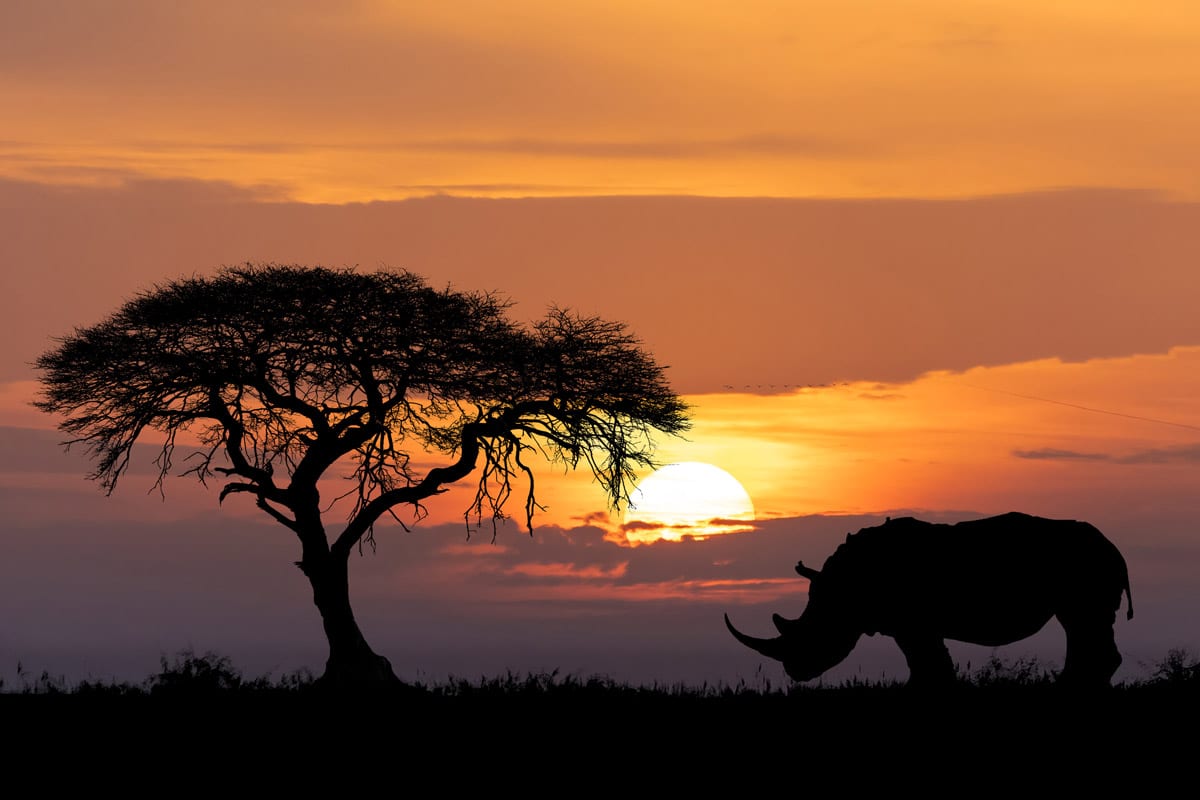
Learn all about Safari Field Guide Books to Bring in this comprehensive guide.
Understanding the Climate and Terrain in Africa
When packing for a safari in Africa, it's essential to consider the local climate and terrain. Africa has a diverse landscape, from vast plains to dense forests. Temperatures can fluctuate significantly, with warm days and cool evenings. Lightweight, breathable fabrics are your best friend. For more on planning your trip, see our destination guide for Africa.
Essential Clothing Items
Neutral-colored clothing is highly recommended to blend in with the environment and avoid startling the wildlife. Think khaki, olive, and brown. You'll want to pack a mix of short-sleeved shirts and long-sleeved shirts for sun protection. A lightweight waterproof jacket is also a must, as rain showers can be unpredictable. For personalized packing advice, consider consulting with one of our safari operators.
Still researching? Let us help.
Our advisory team has planned safaris across 9 African countries. We can turn your research into a real plan.
Talk to an AdvisorFootwear for All Activities
Comfortable, broken-in walking shoes are non-negotiable. Whether you're on a walking safari or just exploring your lodge, you'll be on your feet a lot. A pair of sandals or flip-flops is also great for relaxing at the lodge. If you're planning any strenuous hikes, be sure to bring appropriate hiking boots. Our safari cost calculator can help you budget for any specialized gear you may need to purchase.
Sun and Insect Protection
A wide-brimmed hat, sunglasses, and high-SPF sunscreen are crucial for protecting yourself from the African sun. Insect repellent is also a must, especially in the evenings. Look for a repellent containing DEET for the most effective protection against mosquitoes and other biting insects. For more health and safety tips, visit our knowledge base.
Evening and Lodge Attire
Evenings on safari can be a mix of casual and smart-casual. Most lodges have a relaxed dress code, but it's always a good idea to pack a slightly nicer outfit for dinner. A pashmina or wrap is perfect for adding a touch of warmth and style. Before you book, be sure to research safari operators in Africa to understand the specific dress codes at their lodges.
Done Reading? Let's Build Your Safari.
Skip the guesswork. Work with an advisor who has been on the ground across East and Southern Africa.
Plan With UsChoosing the Right Field Guide for Your Destination
Africa is a vast continent with incredibly diverse ecosystems. A field guide that is perfect for a safari in the Serengeti of Tanzania may not be the best choice for exploring the Okavango Delta in Botswana. The key to a useful field guide is its regional specificity. As you plan your safari, consider where you will be traveling and choose a guide that focuses on the wildlife of that specific region.
East Africa: Kenya, Tanzania, Uganda, and Rwanda
East Africa is the classic safari destination, famous for the great wildebeest migration, the "Big Five," and incredible primate encounters. When choosing a field guide for this region, look for one that covers the iconic parks such as the Serengeti, Maasai Mara, Ngorongoro Crater, and Bwindi Impenetrable Forest.
Expert Insight: For travelers visiting both Kenya and Tanzania, a single East Africa-focused guide is usually sufficient. However, if you are adding a gorilla trekking extension in Uganda or Rwanda, consider a supplemental guide that has more detailed information on the primates and forest-dwelling species of the Albertine Rift.
Southern Africa: South Africa, Botswana, Namibia, Zambia, and Zimbabwe
Southern Africa offers a different safari experience, from the arid landscapes of Namibia to the lush waterways of the Okavango Delta. The wildlife here is just as spectacular, but with some key differences in species. A good field guide for Southern Africa will include animals like the desert-adapted elephants of Namibia, the wild dogs of Botswana, and the unique birdlife of the region.
Traveler's Tip: Many of the private game reserves in South Africa, like Sabi Sand, have their own field guides available for purchase at the lodge. These can be a great supplement to a more comprehensive regional guide, as they often include detailed information about the specific animals and their territories within the reserve.
Top-Rated Safari Field Guides
With so many options available, choosing a field guide can be overwhelming. Our safari operators have reviewed and recommend the following guides for their accuracy, portability, and user-friendly design.
For East Africa:
- "Wildlife of East Africa" by Martin B. Withers and David Hosking: This is a comprehensive and highly-rated guide that covers all the major species you are likely to encounter in Kenya, Tanzania, and Uganda. The illustrations are excellent, and the text is concise and informative.
- "The Kingdon Pocket Guide to African Mammals" by Jonathan Kingdon: While this guide covers the entire continent, it is still an excellent choice for East Africa due to its detailed illustrations and compact size. It is a favorite among many experienced safari-goers.
For Southern Africa:
- "The Wildlife of Southern Africa: A Field Guide to the Animals and Plants of the Region" by Vincent Carruthers: This is an all-in-one guide that is perfect for the first-time safari traveler to Southern Africa. It covers mammals, birds, reptiles, and even plants, giving you a great overview of the entire ecosystem.
- "Sasol Birds of Southern Africa" by Ian Sinclair, Phil Hockey, and Warwick Tarboton: For the avid birder, this is the definitive guide to the birdlife of Southern Africa. It is comprehensive, with detailed illustrations and distribution maps.
How to Use Your Field Guide Effectively on Safari
A field guide is more than just a book to identify animals; it is a tool to enhance your safari experience. Here are a few tips on how to get the most out of your guide:
- Read Before You Go: Familiarize yourself with the guide before you even leave for your safari. Learn how it is organized and what the different symbols and abbreviations mean.
- Use the Checklists: Most guides have a checklist in the back where you can tick off the animals you have seen. This is a fun way to keep track of your sightings and create a personal record of your safari.
- Take Notes: Don't be afraid to write in your field guide. Jot down the date and location of your sightings, as well as any interesting behaviors you observed. This will turn your guide into a personal safari journal.
Digital Field Guides: A Modern Alternative
In addition to traditional printed field guides, there are now a number of excellent digital field guide apps available for your smartphone or tablet. These apps have several advantages over their paper counterparts:
- Portability: A single app can contain information on thousands of species, saving you valuable space and weight in your luggage.
- Audio and Video: Many apps include audio clips of animal calls and even short video clips of animal behavior.
- Regular Updates: Digital guides are regularly updated with the latest taxonomic information and new sightings.
Expert Insight: While digital guides are a great option, it is always a good idea to have a physical guide as a backup. Batteries can die, and electronic devices can fail. A traditional book will never let you down.
Specialized Field Guides
For the traveler with a special interest, there are a number of specialized field guides that focus on a specific type of animal or a particular aspect of the natural world.
- "The Behavior Guide to African Mammals" by Richard Estes: This is not a traditional field guide for identification, but rather a detailed guide to the behavior of African mammals. It is a must-read for anyone who wants to understand the "why" behind what they are seeing on safari.
- "A Field Guide to the Tracks & Signs of Southern and East African Wildlife" by Chris and Tilde Stuart: This guide will teach you how to identify animal tracks, droppings, and other signs of their presence. It is a great way to learn about the animals you may not have seen.
By investing in a good field guide and learning how to use it effectively, you will not only be able to identify the animals you see on safari, but you will also gain a deeper understanding and appreciation for the incredible biodiversity of Africa. For more tips on preparing for your safari, visit our knowledge center or use our safari cost calculator to start planning your adventure.
Need Expert Safari Guidance?
Get expert advisory support from a firm founded by a former safari guide — with real operational knowledge across 9 African countries and full-journey accountability.
Related Planning Guides
Recommended Reading
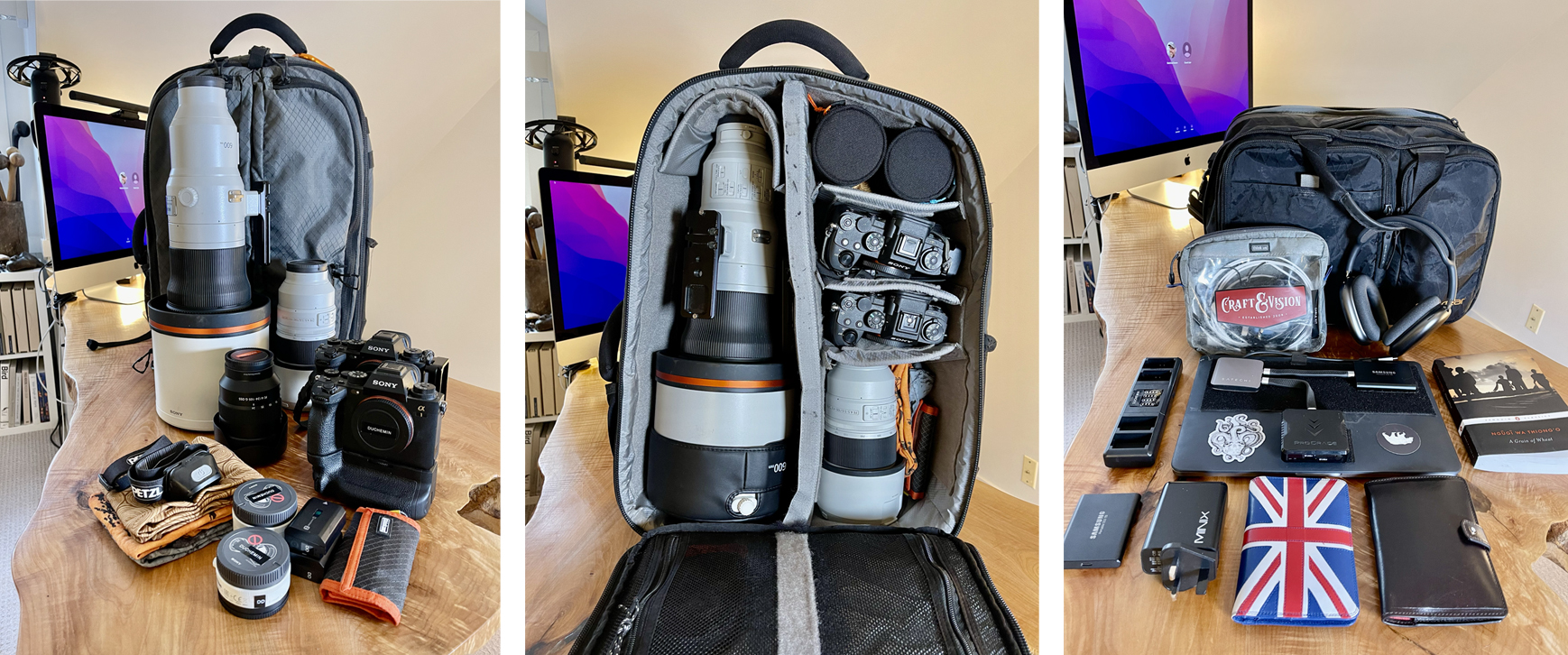 Packing & Preparation
Safari Footwear Guide
Learn all about Safari Footwear Guide in this comprehensive guide.
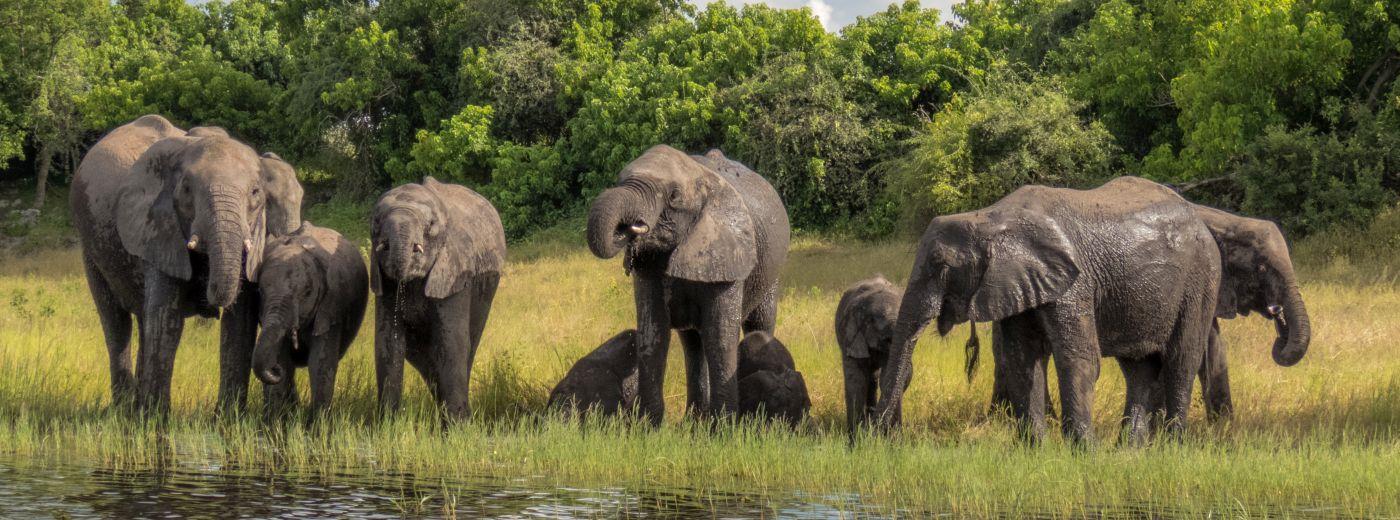 Packing & Preparation
Safari Hat and Sun Protection Guide
Learn all about Safari Hat and Sun Protection Guide in this comprehensive guide.
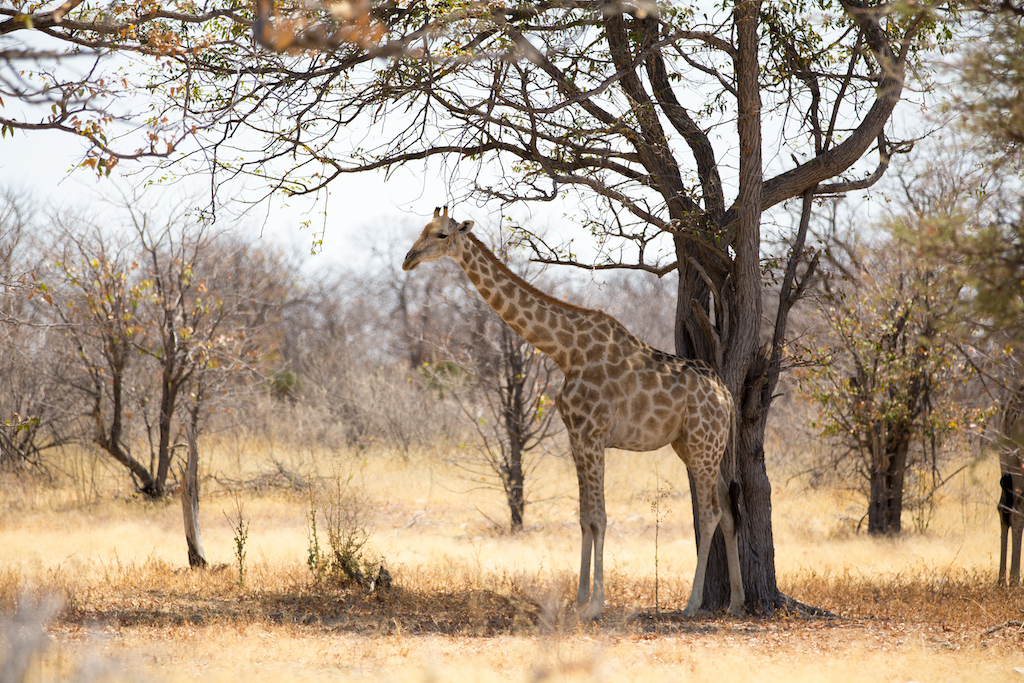 Packing & Preparation
Safari Sunscreen and Skincare Guide
Learn all about Safari Sunscreen and Skincare Guide in this comprehensive guide.
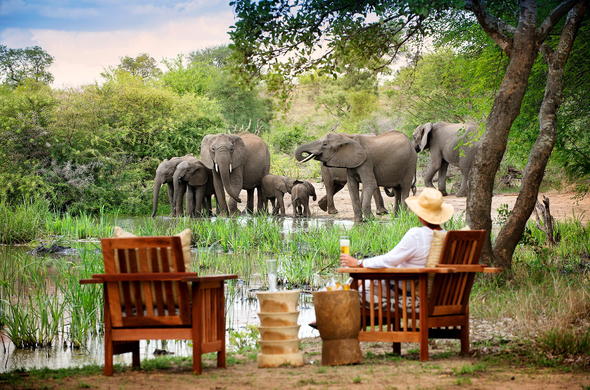 Safari Planning
Step-by-Step Guide to Planning an African Safari
Learn how to plan your first African safari with our step-by-step guide. We cover everything from choosing a destination to booking your trip and packing.
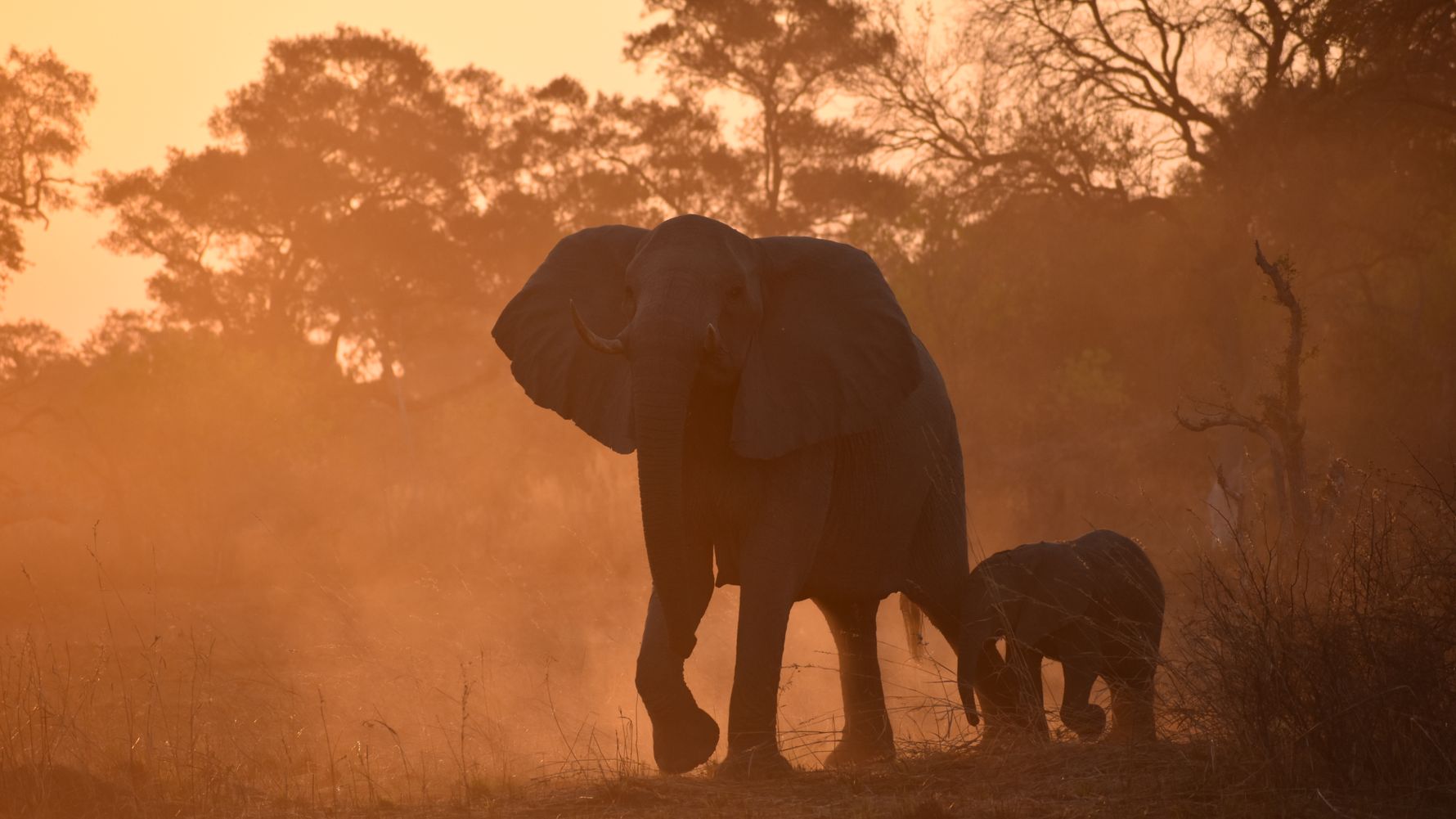 Safari Planning
Self-Drive Safari vs Guided Safari
Deciding between a self-drive safari and a guided safari? This guide breaks down the pros, cons, costs, and key differences to help you choose the right trip.
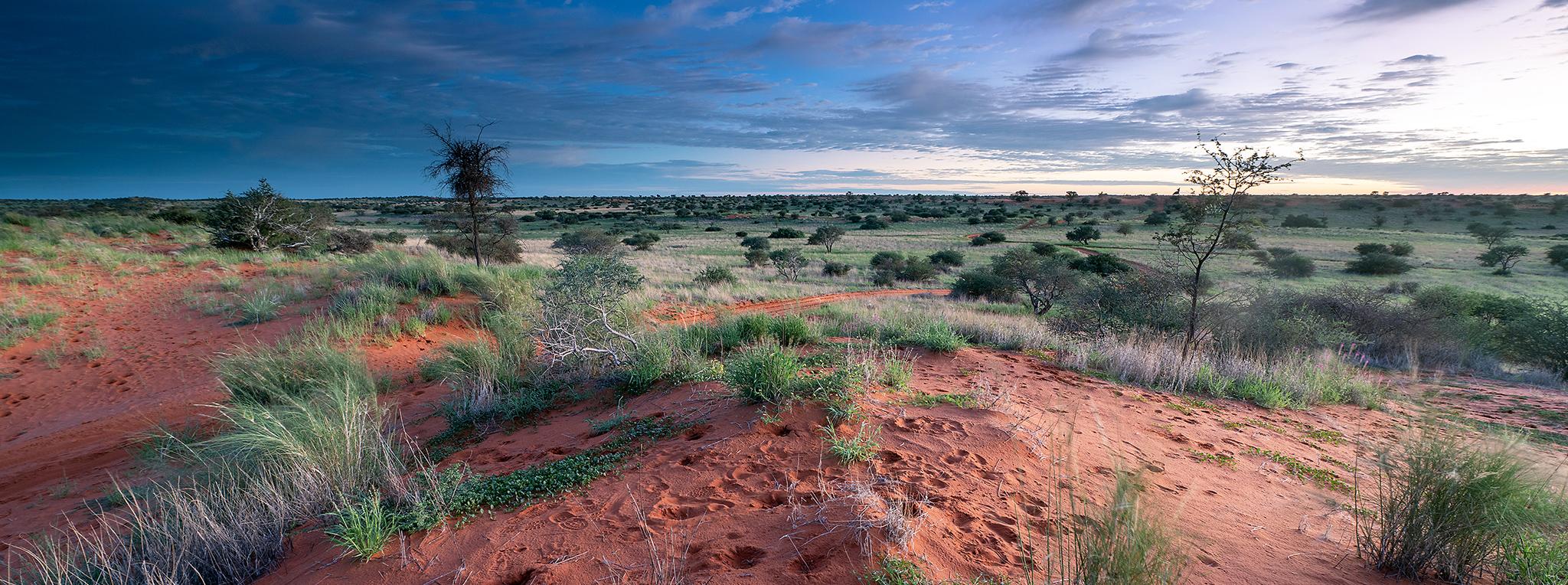 Safari Costs
Luxury Safari Pricing Guide
Discover the real cost of a luxury African safari. Our guide breaks down pricing by country, what\