
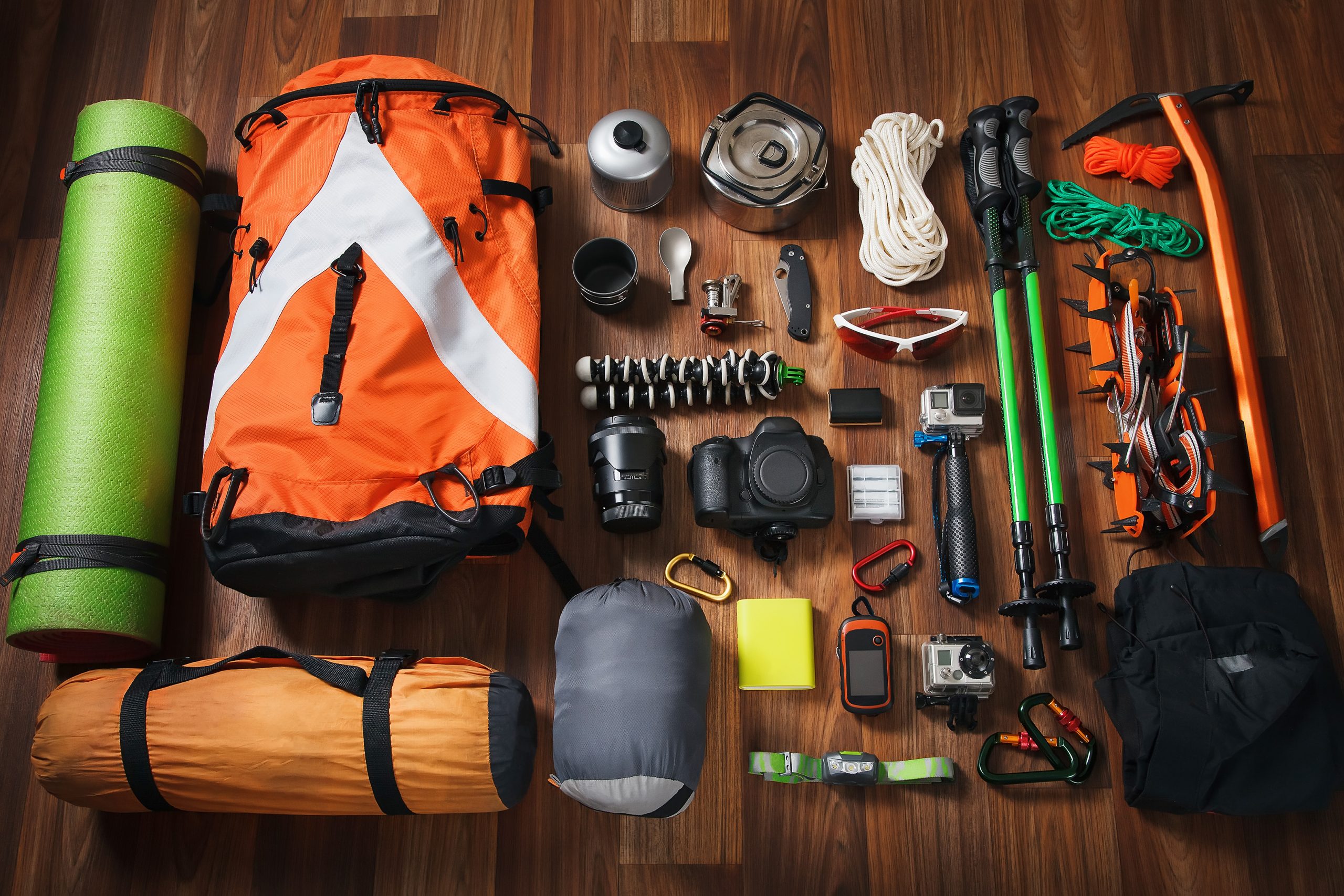
A comprehensive guide to Namibia Safari Health and Safety Overview. Learn everything you need to know for your next safari adventure.
Introduction to Namibia Safari Health and Safety Overview
When it comes to namibia safari health and safety overview, experienced safari travelers know that preparation makes all the difference. Africa's diverse landscapes and ecosystems offer unique opportunities, and knowing what to expect helps you make the most of every moment on safari.
Key Details and Considerations
Delving deeper into namibia safari health and safety overview, travelers discover that Africa's safari industry has evolved significantly over the past decades. Modern safari experiences combine traditional wilderness exploration with contemporary comfort and conservation awareness. The key is finding the right balance for your travel style and budget, which our cost calculator can help you determine.
Still researching? Let us help.
Our advisory team has planned safaris across 9 African countries. We can turn your research into a real plan.
Talk to an AdvisorPractical Advice
When applying insights about namibia safari health and safety overview to your safari planning, remember that the best experiences come from thoughtful preparation combined with openness to the unexpected. Africa has a way of surprising even the most seasoned travelers. Use our comprehensive planning resources to build a solid foundation, then trust your guides and the wilderness to deliver moments you'll never forget.
Expert Insights
The landscape of namibia safari health and safety overview reflects broader trends in African tourism, including the growing emphasis on authentic experiences, wildlife conservation, and cultural exchange. Modern safari travelers are more informed and discerning than ever, seeking meaningful connections with the natural world rather than simply checking off a bucket list. Our knowledge center supports this approach with in-depth articles covering every aspect of safari travel.
Planning Your Next Steps
In summary, namibia safari health and safety overview is a multifaceted topic that rewards careful study and thoughtful planning. Whether you're a first-time safari traveler or a returning enthusiast, staying informed about the latest developments and best practices ensures the best possible experience. Explore our destinations, consult our safari operators, and use our cost calculator to begin planning your African adventure today.
Done Reading? Let's Build Your Safari.
Skip the guesswork. Work with an advisor who has been on the ground across East and Southern Africa.
Plan With UsNavigating Namibia's Climate: Sun and Sand
Namibia's stark beauty is a product of its arid, desert environment. While visually stunning, this climate presents significant health considerations, primarily dehydration and intense sun exposure. The Namib Desert is one of the driest places on Earth, and the sun can be relentless, even on overcast days. It is imperative to drink more water than you think you need—a minimum of 3 to 4 liters per person per day is recommended, and more during strenuous activities like hiking or dune climbing.
> Traveler's Tip: Carry electrolyte powders or tablets to add to your water. They help replenish essential salts and minerals lost through perspiration, which is crucial for preventing dehydration and muscle cramps, especially after a long day of exploring Sossusvlei or the Fish River Canyon.
Sun protection is non-negotiable. A wide-brimmed hat, high-SPF sunscreen (SPF 30 or higher), and UV-protective sunglasses are essential. Lightweight, long-sleeved shirts and trousers made from breathable fabrics will not only protect you from the sun but also help keep you cool. Sunburn can happen quickly and severely, and heat exhaustion or heatstroke are serious risks that can derail a safari. Symptoms of heat exhaustion include dizziness, headache, and nausea; if you experience these, seek shade and rehydrate immediately.
Wildlife Safety: Respecting the Desert Dwellers
While Namibia offers incredible opportunities for close-up wildlife viewing, it is vital to remember that these are wild animals in their natural habitat. The single most important rule is to never get out of your vehicle in a national park or reserve, except in designated, fenced-off areas. This is especially true in places like Etosha National Park, where predators are common.
Namibia is home to unique desert-adapted species, such as elephants and lions in the Damaraland and Kaokoveld regions. These animals have vast territories and can behave unpredictably. Never approach them on foot, and if you are self-driving, give them a wide berth. Desert elephants, in particular, are known to be more aggressive than their savanna counterparts due to the harshness of their environment. Always listen to the instructions of your guide; their experience is your best safety asset. For more in-depth information, our safari operators can connect you with guides who specialize in tracking these magnificent creatures.
> Expert Insight: The presence of a qualified and experienced guide cannot be overstated. A good guide is trained to read animal behavior, anticipate their movements, and position the vehicle for safe and exceptional viewing. They understand the subtle cues that indicate an animal is stressed or agitated, ensuring you don't inadvertently provoke a dangerous situation.
The Realities of the Road: Self-Driving in Namibia
A self-drive safari is a popular way to explore Namibia, offering unparalleled freedom. However, it comes with a unique set of challenges. Outside of the main arterial routes (B-roads), the vast majority of Namibia's road network consists of well-maintained gravel roads (C and D-roads). These surfaces can be tricky to navigate, and the number one cause of accidents for tourists is excessive speed, leading to loss of control.
It is crucial to maintain a sensible speed, typically no more than 80 km/h (50 mph), and to slow down considerably for corners and crests. Tire punctures are not a matter of 'if' but 'when'. Ensure your rental vehicle has at least one, preferably two, spare tires and that you know how to change them. A 4x4 vehicle is highly recommended, not just for off-road tracks but for better clearance and stability on gravel. Distances between towns and fuel stations can be vast, so always fill up your tank when you have the opportunity and consider carrying a jerry can of extra fuel. For a detailed breakdown of vehicle options and costs, our cost calculator is an excellent resource.
Medical Preparedness and Emergency Services
Namibia has a good standard of medical care in its capital, Windhoek, with private hospitals that are well-equipped to handle most emergencies. Larger towns like Swakopmund, Walvis Bay, and Otjiwarongo also have reliable private clinics. However, in the remote regions where you'll spend much of your safari, medical facilities are sparse and basic.
For this reason, comprehensive travel insurance that includes emergency medical evacuation is absolutely mandatory. In the event of a serious illness or injury in a remote area like the Skeleton Coast or the Caprivi Strip, an airlift to Windhoek or even South Africa may be necessary. This can be prohibitively expensive without proper coverage. We advise all our clients to review their policy details carefully before traveling. Our team of safari operators can recommend reputable insurance providers. It's also wise to carry a well-stocked personal first-aid kit with essentials for treating minor cuts, blisters, and stomach upsets.
Personal Security in Urban and Remote Areas
Namibia is generally a very safe country for travelers, with a stable political climate and friendly, welcoming people. However, like anywhere in the world, petty crime can occur, particularly in larger towns. When in Windhoek or Swakopmund, take common-sense precautions: lock your vehicle doors, keep valuables out of sight, and be aware of your surroundings, especially at night.
When staying at lodges and camps, you are in a very secure environment. Staff are vigilant, and crime is extremely rare. The primary safety concerns in these areas are related to wildlife and the natural environment. By following the rules and listening to your guide, you can relax and immerse yourself in the incredible experience of the Namibian wilderness. To start building your personalized journey, plan your safari with our expert team.
Need Expert Safari Guidance?
Get expert advisory support from a firm founded by a former safari guide — with real operational knowledge across 9 African countries and full-journey accountability.
Related Planning Guides
Recommended Reading
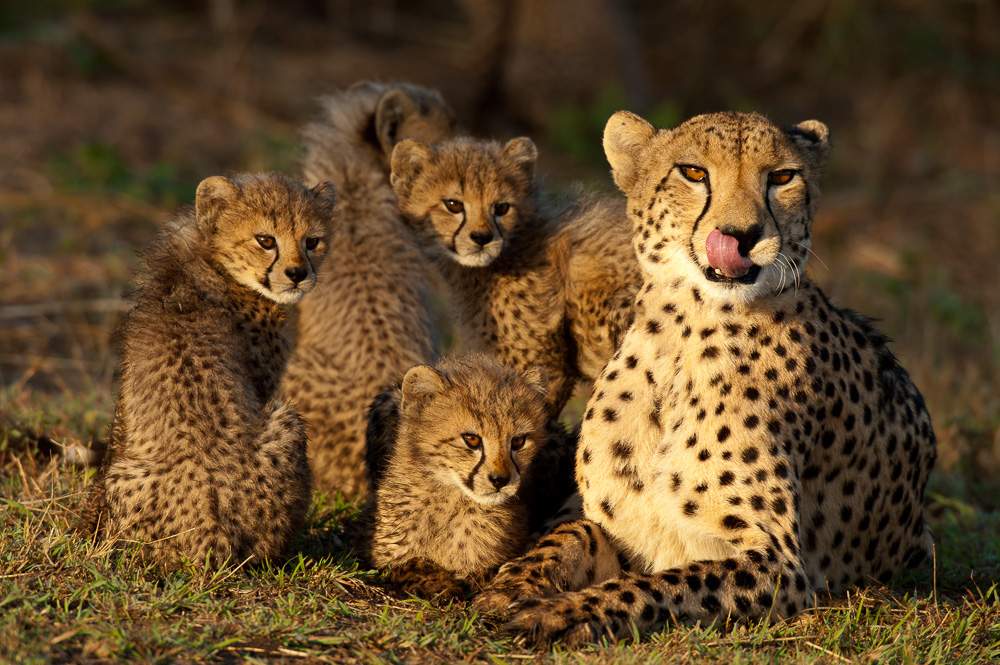 Country Guides
Tanzania Safari Health and Safety Overview
A comprehensive overview of health and safety considerations for a safari in Tanzania, including vaccinations, food and water safety, and wildlife encounters.
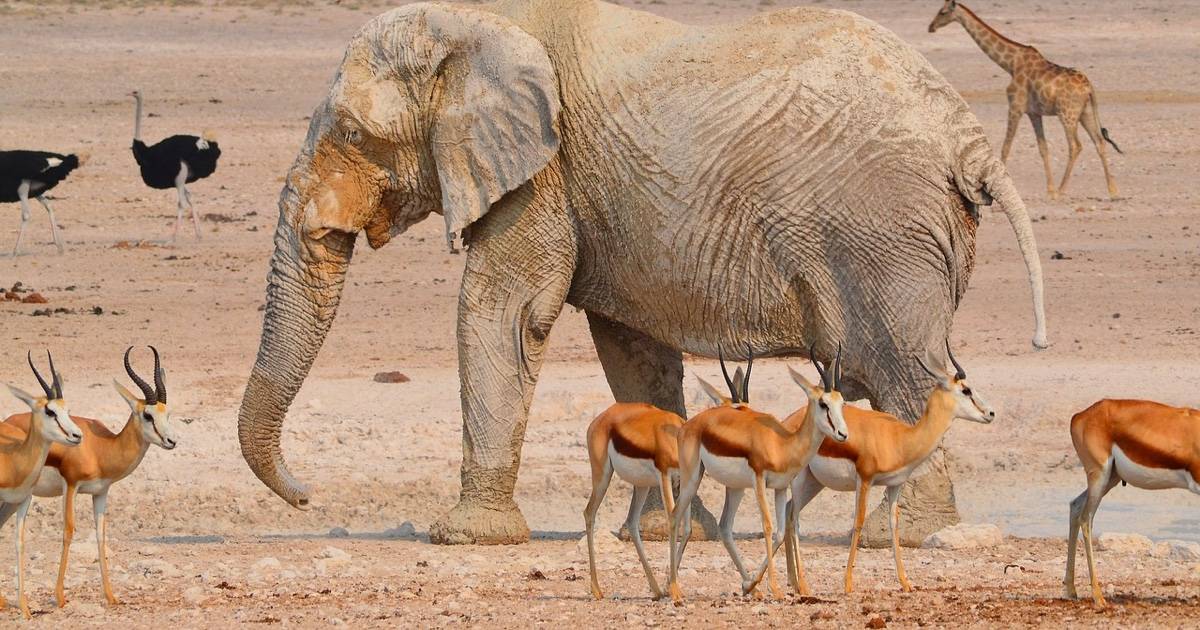 Country Guides
Kenya Safari Health and Safety Overview
An essential guide to health and safety for a Kenyan safari, covering everything from required vaccinations to wildlife etiquette and personal security.
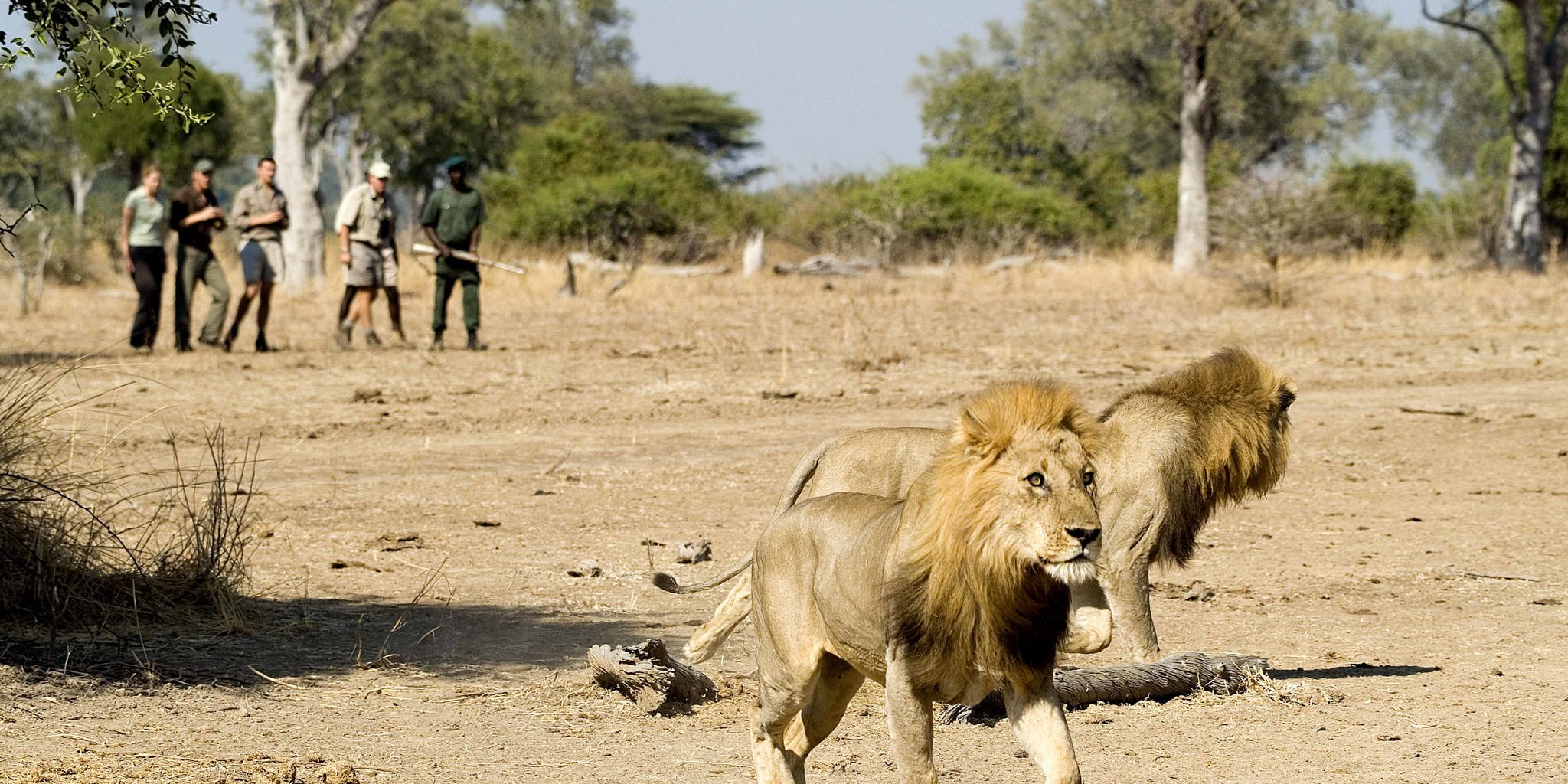 Country Guides
Botswana Safari Health and Safety Overview
A guide to staying healthy and safe on a Botswana safari, from malaria prevention and vaccinations to wildlife encounters and personal security.
 Safari Comparison Articles
Guided Safari vs Self-Drive Safari in Namibia
An in-depth comparison of Guided Safari vs Self-Drive Safari in Namibia to help you choose the perfect safari experience. Explore the pros, cons, and key differ
Packing & PreparationSafari Pre-Trip Health Checkup Guide
Learn all about Safari Pre-Trip Health Checkup Guide in this comprehensive guide.
 Safari Safety
Safari Safety Tips for First-Time Visitors
Planning your first African safari? Our expert guide provides essential safari safety tips for a worry-free adventure, from wildlife encounters to health advice.