
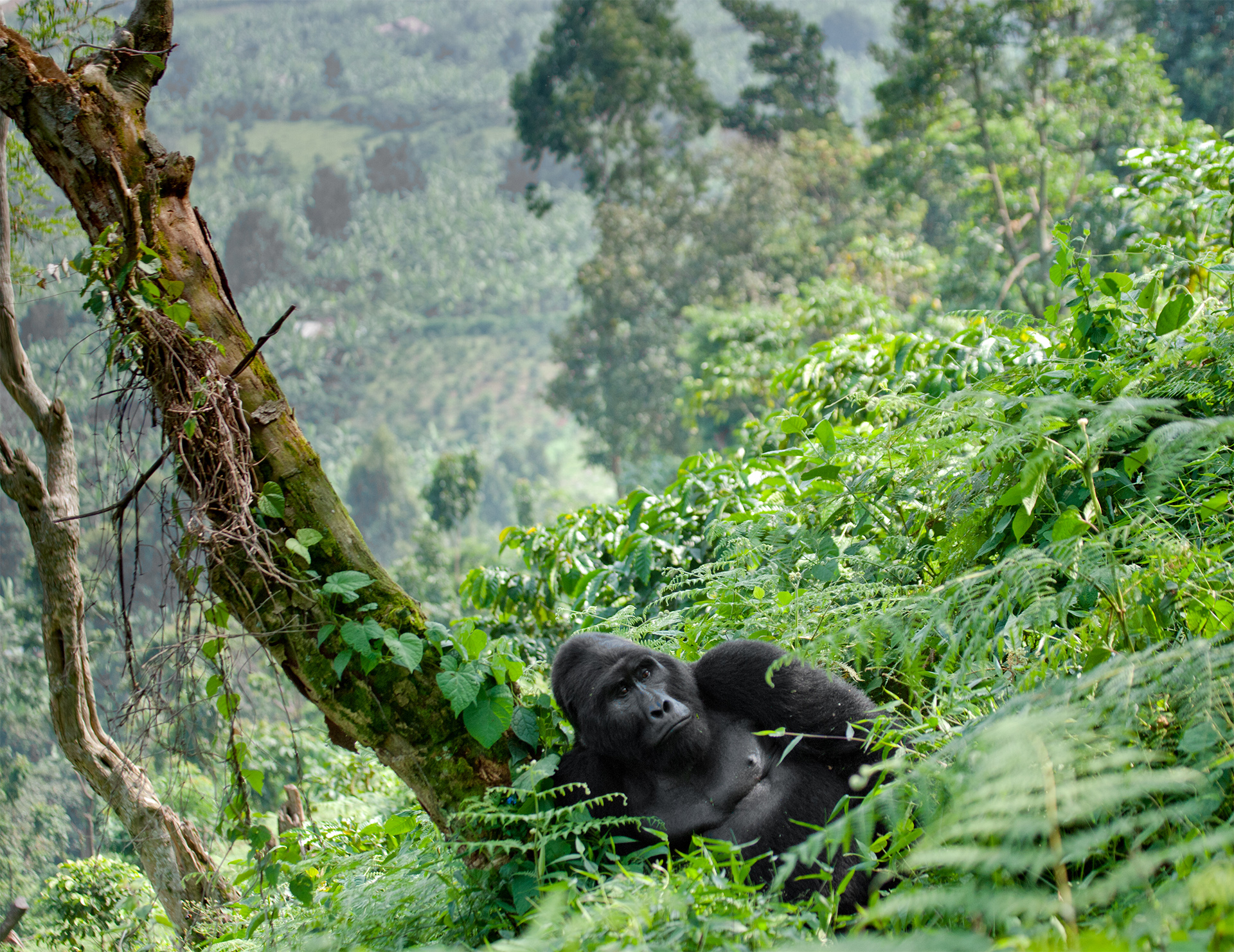
Discover the essentials of luxury safari conservation contributions for an unforgettable African safari adventure.
Luxury Safari Conservation Contributions
Planning a safari involves many important decisions, and understanding luxury safari conservation contributions is one of the most critical. This comprehensive guide draws on years of field experience to help you navigate this aspect of safari travel with confidence.
Practical Planning Steps: Luxury Safari Conservation Contributions
Step two involves researching your options thoroughly. Compare different destinations, operators, and approaches to luxury safari conservation contributions. Read reviews from verified travelers, consult with safari operators, and cross-reference information from multiple sources.
Step three is creating a detailed plan that accounts for all aspects of luxury safari conservation contributions. This should include timelines, budgets, backup options, and contingency plans. The most successful safari travelers are those who plan thoroughly while remaining flexible enough to adapt to changing conditions.
Step one in addressing luxury safari conservation contributions is to clearly define your priorities and expectations. Are you focused on specific wildlife sightings, cultural experiences, photography opportunities, or a combination? Your answer will shape every subsequent decision.
Still researching? Let us help.
Our advisory team has planned safaris across 9 African countries. We can turn your research into a real plan.
Talk to an AdvisorSafety and Health Considerations
Safety is paramount when it comes to luxury safari conservation contributions on safari. Reputable operators maintain strict safety protocols and employ experienced guides who are trained to handle a wide range of situations. Always verify that your chosen operator has proper licensing, insurance, and safety certifications.
Travel insurance that specifically covers safari activities is strongly recommended. Standard travel insurance policies may not cover all the activities and situations you might encounter on an African safari. Ensure your policy covers medical evacuation, trip cancellation, and activity-specific risks.
Health preparation is an essential component of luxury safari conservation contributions. Consult with a travel medicine specialist at least six weeks before your departure to discuss vaccinations, malaria prophylaxis, and other health precautions specific to your destinations.
Common Mistakes to Avoid: Luxury Safari Conservation Contributions
One of the most frequent mistakes travelers make with luxury safari conservation contributions is waiting too long to start planning. Popular safari destinations and lodges book up months in advance, especially during peak season. Last-minute planning often results in limited options and higher costs.
Underestimating the importance of luxury safari conservation contributions is perhaps the biggest mistake of all. Travelers who give this aspect of their safari proper attention consistently report more satisfying experiences than those who treat it as an afterthought.
Another common error is relying solely on online reviews without consulting experienced professionals. While traveler reviews provide valuable perspectives, they often lack the context and expertise that a qualified safari planning guide can offer. The best approach combines both sources of information.
Seasonal Factors and Timing
The timing of your safari significantly impacts luxury safari conservation contributions. Dry season months, typically June through October in most East African destinations, offer different conditions than the green season months of November through May. Each period has distinct advantages and considerations.
Weather patterns across Africa are becoming less predictable due to climate change, which adds another layer of consideration to luxury safari conservation contributions. Working with operators who have current, on-the-ground knowledge of conditions is more important than ever.
Done Reading? Let's Build Your Safari.
Skip the guesswork. Work with an advisor who has been on the ground across East and Southern Africa.
Plan With UsRelated Resources
For more information on planning your safari, explore our destination guides, browse the safari operator directory, or connect with an experienced safari planning guide for personalized guidance.
The Crucial Role of Community-Owned Conservancies
Beyond the boundaries of national parks, a significant portion of Africa's most successful conservation stories are unfolding within community-owned conservancies. These are lands owned or managed by local communities who have agreed to set aside vast tracts for wildlife conservation in partnership with tourism operators. Luxury safari lodges operating in these conservancies pay substantial lease fees directly to the community, creating a powerful economic incentive to protect wildlife rather than engage in agriculture or other land uses that may conflict with it.
This model is a cornerstone of modern conservation. For example, in Kenya, conservancies like the Maasai Mara Conservancies and the Northern Rangelands Trust (NRT) have been instrumental in expanding habitats for elephants, lions, and the endangered Grevy's zebra. Revenue from a high-end lodge in one of these areas might fund local schools, healthcare clinics, and livestock management programs that reduce human-wildlife conflict. When you stay at a lodge in a community conservancy, a significant portion of your nightly rate is a direct investment in the local people who are the frontline guardians of the wildlife you’ve come to see.
> Expert Insight: When planning your safari, ask your safari planning guide about opportunities to stay in community-owned conservancies. Not only do they often offer more exclusive and less crowded wildlife viewing, but your visit directly empowers the local communities who are essential to the future of conservation.
Case Study: A Luxury Lodge's Integrated Conservation Model
To understand the real-world impact, consider a hypothetical but typical high-end lodge in Botswana’s Okavango Delta. "Kafue River Camp," for instance, might operate on a private concession leased from the government with strict environmental and community-benefit requirements.
Here’s how their conservation contributions might break down:
| Contribution Area | Specific Actions & Impact | |---|---| | Anti-Poaching | Funds and equips a dedicated anti-poaching unit of 10 rangers who patrol the concession, removing snares and deterring illegal activity. Their presence has led to a 90% reduction in poaching incidents over five years. | | Habitat Management | Conducts controlled burns to promote new grass growth for grazing animals and works to clear invasive plant species, improving the habitat for native wildlife. | | Community Partnership | Employs 80% of its staff from the local village, providing stable income and skills training. It also funds the "Pack for a Purpose" program, where guests can bring essential school supplies for the local primary school. | | Research & Monitoring | Partners with a research organization to collar and monitor lion prides in the area, providing valuable data for conservation strategies. Guests can often attend presentations by the resident researcher. |
This integrated approach demonstrates how a single luxury property can become a powerful engine for conservation and community development. It transforms a safari from a simple vacation into a meaningful contribution to a thriving ecosystem. For more on how to budget for such a trip, you can use our cost calculator.
Beyond the Dollars: How Your Physical Presence as a Traveler Matters
While the financial contributions of luxury tourism are vital, the simple act of being present in these wild spaces has a profound impact. The constant, visible presence of safari vehicles and guests serves as a significant deterrent to poachers. Poachers thrive in remote, unmonitored areas. When a region has a steady stream of tourists, it becomes far riskier and more difficult for them to operate unseen.
This "tourism as a security force" model is especially effective in large, unfenced ecosystems. Every game drive you take is, in a small way, a patrol. Your desire to see and photograph a leopard provides a non-consumptive economic value for that animal, making it more valuable alive than dead. This is a fundamental principle that underpins the entire safari industry and is a key argument for its role in conservation.
> Traveler's Tip: Engage with your guide about the conservation challenges in the area. Ask them about their work, the animals they protect, and the communities they partner with. This not only enriches your experience but also reinforces the value of their conservation efforts. It’s a great way to get more out of your journey while showing your support.
Vetting a Lodge’s Conservation Claims
In an era of greenwashing, it's wise for travelers to look for genuine commitment to conservation. Here are a few ways to vet a lodge’s claims before you book:
- Look for Certifications: Reputable eco-tourism certifications like those from The Long Run or Fair Trade Tourism provide third-party verification of a lodge’s sustainability and community practices.
- Read Their Website: Look for a dedicated "Conservation" or "Sustainability" section. Is it specific and detailed, or vague and full of marketing buzzwords? Genuine operators are proud to share the details of their work.
- Ask Specific Questions: When you plan your safari, ask your advisor pointed questions: "What percentage of your staff is from the local community?" "Can you provide an example of a specific conservation project you fund?" "Do you have a resident biologist or researcher?"
- Check for Partnerships: Look for partnerships with well-known conservation organizations like the African Wildlife Foundation, Panthera, or the World Wildlife Fund. These organizations are selective about who they partner with.
By taking these extra steps, you can ensure that your investment in a luxury safari is also a powerful investment in the future of Africa’s wild places.
Need Expert Safari Guidance?
Get expert advisory support from a firm founded by a former safari guide — with real operational knowledge across 9 African countries and full-journey accountability.
Related Planning Guides
Recommended Reading
 Luxury Safari Content
Luxury Safari Conservation Experiences
A comprehensive guide to Luxury Safari Conservation Experiences. Learn everything you need to know for your safari adventure.
 Luxury Safari Content
Top 10 Luxury Safari Lodges in South Africa
A comprehensive guide to Top 10 Luxury Safari Lodges in South Africa. Learn everything you need to know for your safari adventure.
 Luxury Safari Content
What Defines a Luxury Safari Experience
A comprehensive guide to What Defines a Luxury Safari Experience. Learn everything you need to know for your safari adventure.
 Safari Costs
Budget Safari vs Luxury Safari Costs
Discover the key cost differences between budget and luxury safaris, from accommodation and guiding to game drives and locations, to choose the right trip for you.
 Luxury Safaris
What Is a Luxury African Safari
Discover what defines a luxury African safari, from exclusive lodges and private guides to unique wildlife encounters. Plan your ultimate safari adventure.
 Luxury Safaris
Top Luxury Safari Lodges in Africa
Discover the top luxury safari lodges in Africa. Our expert guide reviews the best lodges in Kenya, Tanzania, Botswana, and more for your dream safari.