
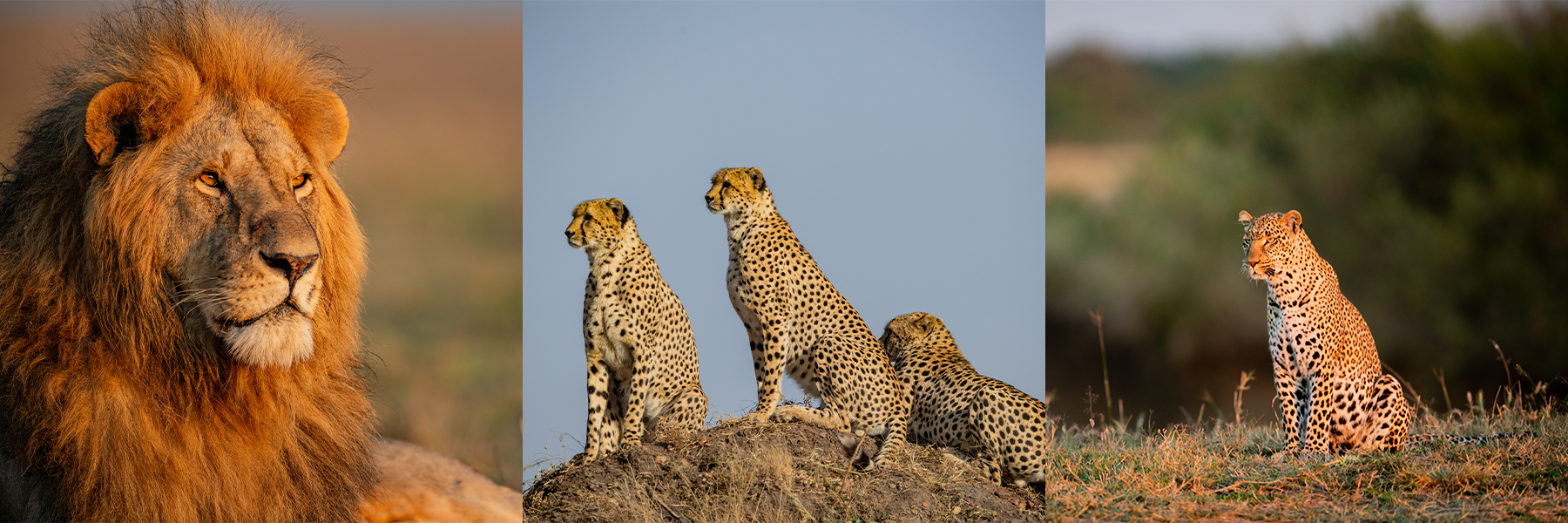
Your complete guide to Complete Safari Guide to Ethiopia. Find the best destinations, planning tips, and more for your next safari adventure.
Complete Safari Guide to Ethiopia
Every safari destination in Africa has its own character, and complete safari guide to ethiopia varies accordingly. This guide helps you understand the nuances so you can make informed decisions for your specific itinerary.
Seasonal Factors and Timing: Complete Safari Guide to Ethiopia
The timing of your safari significantly impacts complete safari guide to ethiopia. Dry season months, typically June through October in most East African destinations, offer different conditions than the green season months of November through May. Each period has distinct advantages and considerations.
Weather patterns across Africa are becoming less predictable due to climate change, which adds another layer of consideration to complete safari guide to ethiopia. Working with operators who have current, on-the-ground knowledge of conditions is more important than ever.
Peak season brings excellent wildlife viewing but also higher prices and more crowded parks. Shoulder seasons offer a balance of good conditions and fewer crowds. Understanding how seasonal factors affect complete safari guide to ethiopia helps you choose the optimal time for your specific priorities.
Still researching? Let us help.
Our advisory team has planned safaris across 9 African countries. We can turn your research into a real plan.
Talk to an AdvisorMaking the Most of Your Experience: Complete Safari Guide to Ethiopia
Finally, remember that a safari is more than just wildlife viewing. The cultural experiences, landscapes, and personal connections you make along the way are equally valuable. Approaching complete safari guide to ethiopia with this broader perspective will enrich your entire journey.
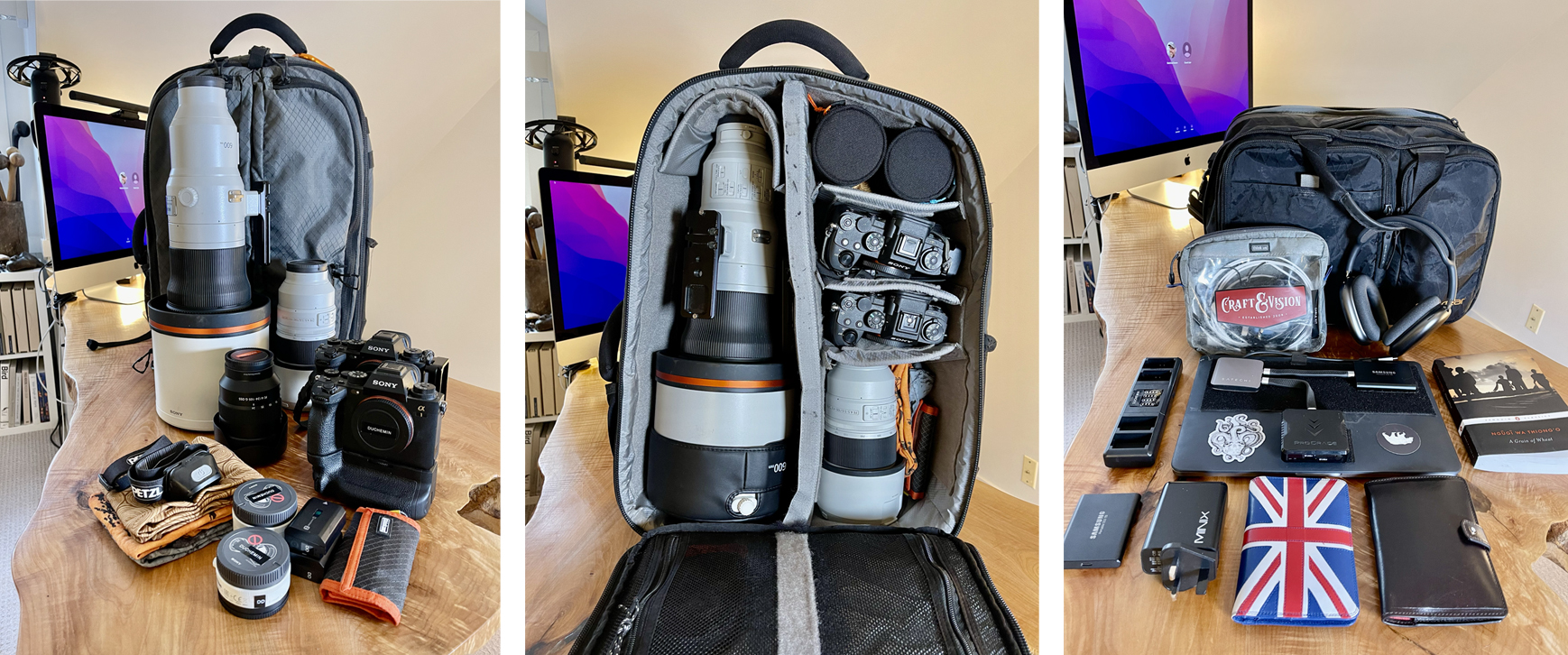
Photography enthusiasts should pay special attention to complete safari guide to ethiopia as it relates to their equipment and technique. The lighting conditions, distances, and movement patterns of African wildlife create unique challenges and opportunities that benefit from advance preparation.
Practical Planning Steps: Complete Safari Guide to Ethiopia
Step one in addressing complete safari guide to ethiopia is to clearly define your priorities and expectations. Are you focused on specific wildlife sightings, cultural experiences, photography opportunities, or a combination? Your answer will shape every subsequent decision.
Step three is creating a detailed plan that accounts for all aspects of complete safari guide to ethiopia. This should include timelines, budgets, backup options, and contingency plans. The most successful safari travelers are those who plan thoroughly while remaining flexible enough to adapt to changing conditions.
Safety and Health Considerations
Travel insurance that specifically covers safari activities is strongly recommended. Standard travel insurance policies may not cover all the activities and situations you might encounter on an African safari. Ensure your policy covers medical evacuation, trip cancellation, and activity-specific risks.
Safety is paramount when it comes to complete safari guide to ethiopia on safari. Reputable operators maintain strict safety protocols and employ experienced guides who are trained to handle a wide range of situations. Always verify that your chosen operator has proper licensing, insurance, and safety certifications.
Health preparation is an essential component of complete safari guide to ethiopia. Consult with a travel medicine specialist at least six weeks before your departure to discuss vaccinations, malaria prophylaxis, and other health precautions specific to your destinations.
Done Reading? Let's Build Your Safari.
Skip the guesswork. Work with an advisor who has been on the ground across East and Southern Africa.
Plan With UsEthiopia’s Unique Wildlife: A Class of Its Own
While many African safari destinations are known for the "Big Five," Ethiopia offers a different kind of wildlife experience, centered around its remarkable endemic species. The Simien Mountains National Park, a UNESCO World Heritage site, is one of the best places to see the Walia ibex, a wild goat species found nowhere else on Earth. The park is also home to large troops of gelada baboons, often called "bleeding-heart monkeys" for the distinct red patch on their chests.
In the Bale Mountains National Park, you have the best chance of spotting the world's rarest canid, the Ethiopian wolf. With its striking red and white fur, this elegant predator is a highlight for any wildlife enthusiast. The park's diverse habitats, from lush forests to high-altitude plateaus, also support a wide range of birdlife, including many endemic species.
Beyond Wildlife: Ethiopia's Historical Tapestry
An Ethiopian safari is as much about history and culture as it is about wildlife. The country's ancient roots are evident in the remarkable rock-hewn churches of Lalibela, a site of pilgrimage and wonder. Carved from single blocks of stone, these 12th-century churches are a testament to incredible faith and craftsmanship.
In the north, the ancient city of Axum stands as a monument to the once-mighty Aksumite Kingdom. Here, you can explore towering stelae, royal tombs, and the reputed home of the Ark of the Covenant. Integrating these historical sites into your safari itinerary provides a depth of experience that few other destinations can match. For example, a 14-day itinerary could include 4 days in the Simien Mountains, followed by a flight to Lalibela for 2 days, and then a final 3 days exploring the cultural heritage of the Omo Valley.
Related Resources
For more information on planning your safari, explore our destination guides, browse the safari operator directory, or connect with an experienced safari planning guide for personalized guidance.
Navigating Ethiopia: Visas, Costs, and Logistics
Planning a trip to Ethiopia requires attention to a few key logistical details that differ from other East African safari destinations. Understanding these upfront will ensure a smoother journey. Most travelers can obtain an e-visa online through the official government website, a process that is generally straightforward and recommended over obtaining a visa on arrival. As of early 2026, the standard single-entry tourist visa costs approximately $82 USD for 30 days. Always check the latest requirements before your travel dates. The primary port of entry for international flights is Bole International Airport (ADD) in Addis Ababa, which serves as a major hub for the continent.
The official currency is the Ethiopian Birr (ETB). While major hotels in Addis Ababa may accept US dollars, you will need Birr for most transactions, especially in more remote areas. Park entrance fees are a significant consideration. For instance, Simien Mountains National Park fees are around $20 USD per person per day, with additional fees for vehicle entry and mandatory local scouts. Bale Mountains National Park has a similar fee structure. For internal travel, Ethiopian Airlines offers an extensive domestic flight network that is by far the most efficient way to travel between major sites like Axum, Lalibela, and Arba Minch (the gateway to the Omo Valley).
The Omo Valley: A Cultural Frontier
For travelers seeking profound cultural immersion, a journey to the Lower Omo Valley in southern Ethiopia is an unforgettable experience. This remote region is home to a remarkable diversity of indigenous communities, each with its own unique customs, languages, and traditions. A visit here offers a glimpse into a way of life that has remained largely unchanged for centuries. However, it is a journey that demands careful and ethical consideration.
Key communities in the region include the Hamar, known for their intricate hairstyles and the iconic bull-jumping ceremony that marks a young man's rite of passage into adulthood; the Mursi, whose women are famous for the large clay plates inserted into their lower lips; and the Karo, masters of body painting who live along the banks of the Omo River. Engaging with these communities requires a guide who has established long-term, respectful relationships. We strongly advise working with safari operators who partner with operators committed to ethical tourism. This ensures your visit is a positive cultural exchange, not a transactional photo opportunity. Responsible travel here means contributing to community-run projects, hiring local guides, and purchasing authentic crafts directly from the artisans.
Logistically, accessing the Omo Valley requires a well-equipped 4x4 vehicle and an experienced driver-guide. The towns of Jinka and Turmi serve as the main bases for exploring the region. A typical Omo Valley extension adds 4-6 days to a standard Ethiopian itinerary and provides a powerful contrast to the historical sites of the north.
Need Expert Safari Guidance?
Get expert advisory support from a firm founded by a former safari guide — with real operational knowledge across 9 African countries and full-journey accountability.
Related Planning Guides
Recommended Reading
 Country Guides
Complete Safari Guide to Tanzania
Your complete guide to Complete Safari Guide to Tanzania. Find the best destinations, planning tips, and more for your next safari adventure.
 Country Guides
Complete Safari Guide to Kenya
Your complete guide to Complete Safari Guide to Kenya. Find the best destinations, planning tips, and more for your next safari adventure.
 Country Guides
Complete Safari Guide to Botswana
Your complete guide to Complete Safari Guide to Botswana. Find the best destinations, planning tips, and more for your next safari adventure.
 Destination Guides
Complete Guide to Garden Route Safari Options
A complete guide to Complete Guide to Garden Route Safari Options. Learn about the wildlife, activities, and best time to visit this amazing destination.
 Wildlife Guides
Complete Guide to Termite Mounds on Safari
A comprehensive guide to Complete Guide to Termite Mounds on Safari. Learn about its habitat, behavior, diet, and conservation status.
 Wildlife Guides
Complete Guide to Safari Ant Species
A comprehensive guide to Complete Guide to Safari Ant Species. Learn about its habitat, behavior, diet, and conservation status.