
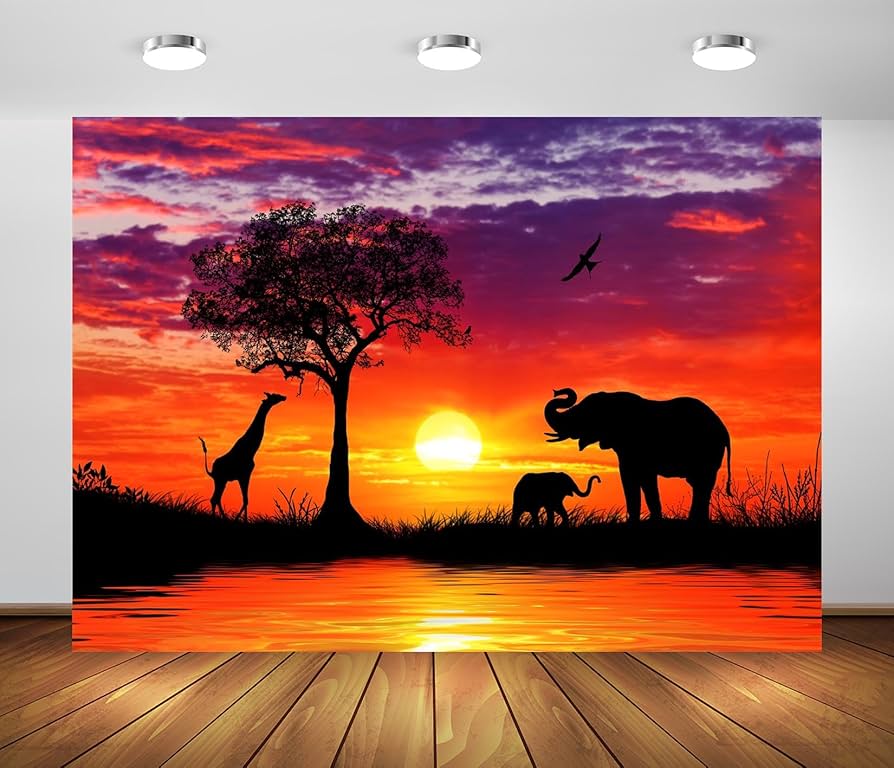
A comprehensive guide to the best mobile safari camps for witnessing the Great Migration in the Serengeti. Find the right camp for your safari.
Understanding Mobile Migration Camps
The Great Migration in the Serengeti is a fluid and dynamic event, and to best witness it, you need to be in the right place at the right time. This is where mobile migration camps come in. Unlike permanent lodges, these camps move several times a year to anticipate the movement of the wildebeest herds. This ensures that guests are always in a prime location for spectacular wildlife viewing. Staying in a mobile camp is an immersive experience, allowing you to feel the pulse of the wild. For more on safari options, see our destinations page.
Top Mobile Camps in the Serengeti
Several excellent mobile camps operate in the Serengeti, each offering a unique experience. Some of the most highly-regarded include &Beyond Serengeti Under Canvas, Asilia's Ubuntu Migration Camp, and Nomad's Serengeti Safari Camp. These camps provide a blend of luxury and adventure, with comfortable tents, en-suite bathrooms, and gourmet dining under the stars. Our safari operators can help you choose the camp that best suits your travel style and budget.
Still researching? Let us help.
Our advisory team has planned safaris across 9 African countries. We can turn your research into a real plan.
Talk to an AdvisorWhat to Expect at a Mobile Camp
Life at a mobile migration camp revolves around the rhythm of the wild. Days start early with a morning game drive, followed by a leisurely lunch and siesta during the heat of the day. The afternoon brings another game drive, culminating in sundowners in a scenic spot. Evenings are for sharing stories around the campfire before a delicious dinner. It's a chance to disconnect from the modern world and reconnect with nature. To get an idea of the costs involved, check out our cost calculator.
Planning Your Migration Safari
Timing is everything when planning a safari to see the Great Migration. The herds' location varies throughout the year, so it's crucial to book your safari for the right season. Our knowledge center has detailed information on the best times to visit different parts of the Serengeti. By working with our expert team, you can create an itinerary that maximizes your chances of witnessing this incredible natural spectacle.
Seasonal Camp Positioning: Following the Herds
To truly maximize your Great Migration experience, understanding where the mobile camps are positioned throughout the year is crucial. These camps don't move randomly; they follow a well-orchestrated logistical plan based on decades of wildlife migration data. From December to March, you'll find the camps concentrated in the Southern Serengeti and the Ndutu Conservation Area. This is calving season, a dramatic time when hundreds of thousands of wildebeest give birth. It's a period of incredible fertility and predator action. Camps like &Beyond Serengeti Under Canvas and Asilia's Ubuntu Migration Camp will be positioned here to witness this spectacle.
As the rains end around May to July, the herds move north into the Western Corridor, congregating around the Grumeti River. This area is famous for its enormous crocodiles that lie in wait for the herds to cross. The camps will relocate to this region, offering front-row seats to these dramatic life-and-death struggles. From August to October, the migration reaches its northernmost point in the Serengeti, near the Mara River. This is the setting for the most famous river crossings, as the herds brave the crocodile-infested waters to reach the fresh grasses of Kenya's Maasai Mara. Northern Serengeti camps like Nomad's Serengeti Safari Camp place you in the heart of this action.
Done Reading? Let's Build Your Safari.
Skip the guesswork. Work with an advisor who has been on the ground across East and Southern Africa.
Plan With UsA Deeper Look: The Mobile Camp Experience
While luxurious, the mobile camp experience is fundamentally about immersion in the wilderness. The camps are designed to be lightweight and leave a minimal footprint. Tents are typically canvas suites with comfortable beds, fine linens, and en-suite bathrooms featuring hot bucket showers—a classic safari luxury. For example, a camp like Asilia's Ubuntu Migration Camp not only moves with the herd but also focuses on delivering an authentic connection to the environment. A typical day involves waking before dawn for coffee and a light breakfast before heading out on a game drive to catch the predators while they are most active. You return to camp for a full brunch and a siesta during the midday heat before an afternoon drive that concludes with sundowner cocktails in the bush. The cost for such an immersive experience generally ranges from $800 to $1,600 per person per night, reflecting the complex logistics and high level of service in these remote locations.
Comparing Top Mobile Migration Camps
Choosing the right mobile camp can feel overwhelming, but it often comes down to your preferences for luxury, guiding style, and overall atmosphere. While all mobile camps offer an incredible proximity to the Great Migration, they each have a distinct personality. Below is a comparison of three premier camps to help you decide which fits your travel style. Our safari operators can provide even more detailed guidance based on your specific needs.
| Feature | &Beyond Serengeti Under Canvas | Asilia Ubuntu Migration Camp | Nomad Serengeti Safari Camp | | :------------------------- | :---------------------------------- | :---------------------------------- | :---------------------------------- | | Atmosphere | Classic, romantic, and luxurious | Adventurous and authentic | Intimate and guide-focused | | Guiding | Excellent, highly professional | Superb, passionate, and knowledgeable | Legendary, among the best in Africa | | Luxury Level | High-end (e.g., private butlers) | Mid-to-high range bush comfort | Classic safari elegance | | Price Point (per person) | Approx. $1,200 - $1,800+ | Approx. $900 - $1,300+ | Approx. $1,100 - $1,600+ | | Best For | Honeymooners, luxury seekers | Avid photographers, safari purists | Repeat safari-goers, discerning travelers |
Is a Mobile Camp Right for You?
A mobile migration camp offers an unparalleled, immersive safari experience, but it's not for everyone. The primary advantage is being in the absolute best location to see the Great Migration herds, which is the entire purpose of your safari. You are steps away from the action, and the camps themselves are intimate, often with fewer than ten tents. This creates a strong sense of community and a deeper connection to the wild.
However, the "mobile" nature comes with trade-offs. While luxurious, the amenities are not the same as a permanent lodge. You'll likely have a bucket shower—where warm water is hoisted and delivered on request—and power may be limited to certain hours. The camps are, by design, temporary structures. For travelers who prioritize features like swimming pools, air conditioning, or extensive facilities, a strategically located permanent lodge might be a better fit. Our team can help you weigh these pros and cons and even suggest a hybrid itinerary that combines both styles of accommodation.
Logistics: Getting to Your Mobile Camp
Accessing these remote camps is part of the adventure and is almost exclusively done via small bush planes. The airstrip you fly into depends entirely on the time of year and the corresponding location of the camps.
- December – March (Southern Serengeti/Ndutu): You will fly into the Ndutu Airstrip (NDT). This places you in the heart of the calving season, a time of immense predator action.
- May – July (Western Corridor): The primary airstrip is Grumeti (GTZ). This area is known for the dramatic Grumeti River crossings, where massive crocodiles lie in wait.
- August – October (Northern Serengeti): You will fly into Kogatende Airstrip (KOG). This is the prime location for witnessing the iconic Mara River crossings, the dramatic highlight of the migration cycle.
From the airstrip, a guide from your camp will meet you for a game drive transfer to the camp, which can last anywhere from 30 minutes to a few hours, depending on wildlife sightings along the way. These flights and transfers are seamlessly arranged by our operator partners as part of your overall safari itinerary.
Need Expert Safari Guidance?
Get expert advisory support from a firm founded by a former safari guide — with real operational knowledge across 9 African countries and full-journey accountability.
Related Planning Guides
Recommended Reading
 Additional Safari Topics
Serengeti Migration Map Guide
Planning a Serengeti safari? Our guide to the Great Migration map helps you understand the herds\
 Season & Timing Guides
Best Time to See the Great Migration in Serengeti
Expert guide on best time to see the great migration in serengeti with month-by-month conditions, pricing, and planning recommendations for safari travelers.
 Destination Guides
Best Safari Destinations for Zebra Migration
Your complete guide to Best Safari Destinations for Zebra Migration. Find the best destinations, planning tips, and more for your next safari adventure.
 Additional Safari Topics
Great Migration Guide
Planning a Great Migration safari? Our expert guide covers the annual cycle, top destinations, and essential tips for witnessing this incredible wildlife spectacle.
 Safari Planning Guides
How to Plan a Safari Around the Great Migration
Discover how to plan your dream safari with our expert guide on How to Plan a Safari Around the Great Migration. Get tips on destinations, costs, and more.
 Safari Cost Guides
Cost of a Great Migration Safari
Planning a safari? Learn about cost of a great migration safari. Get expert advice and insights from Safari Intelligence to plan your perfect trip.