
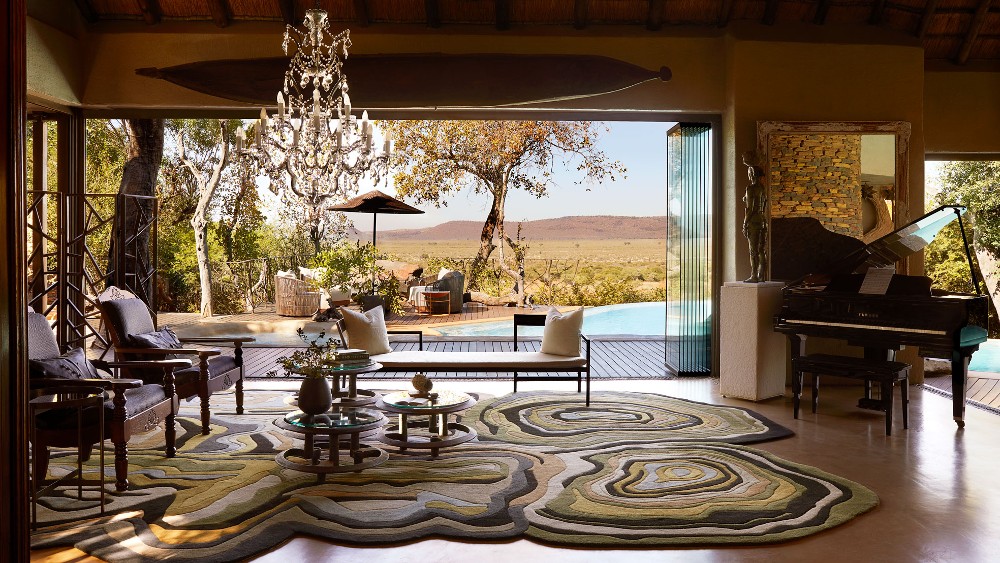
Discover Kibale Forest National Park in Uganda, the best place in the world to see chimpanzees in the wild, and a haven for primate diversity.
The Primate Capital of the World
Kibale Forest National Park, located in western Uganda, is a lush and diverse rainforest that is renowned for its incredible primate population. The park is home to 13 different primate species, the highest concentration in all of Africa, earning it the nickname "Primate Capital of the World." For more on Uganda's national parks, see our destinations page.
Chimpanzee Trekking
The main attraction in Kibale is the opportunity to track and observe our closest living relatives, the chimpanzees. The park is home to a large and well-habituated population of chimpanzees, and the chances of seeing them are excellent. Guided treks take you deep into the forest, where you can spend an hour with a chimpanzee community, observing their complex social interactions and behaviors. Our safari operators can help you book a chimpanzee trekking permit.
Still researching? Let us help.
Our advisory team has planned safaris across 9 African countries. We can turn your research into a real plan.
Talk to an AdvisorOther Primates and Wildlife
In addition to chimpanzees, Kibale is home to a variety of other primates, including the rare L'Hoest's monkey, the red colobus monkey, and the black-and-white colobus monkey. The park is also a great destination for birdwatching, with over 375 species recorded, including the sought-after green-breasted pitta. While the focus is on primates, you might also spot forest elephants, buffalo, and a variety of antelope species. For more on primate conservation, visit our knowledge center.
Planning Your Kibale Adventure
Chimpanzee trekking in Kibale can be done year-round, but the dry seasons (December to February and June to September) are generally the most comfortable for hiking. The park offers a range of accommodation options, from budget-friendly guesthouses to luxury lodges. A visit to Kibale is a must for any primate enthusiast, offering an unforgettable opportunity to connect with our closest relatives in their natural habitat. Use our cost calculator to help plan your Ugandan safari.
The Chimpanzee Habituation Experience (CHEX)
For those seeking a more immersive and in-depth primate encounter, Kibale offers the Chimpanzee Habituation Experience (CHEX). Unlike the standard one-hour trekking permit, CHEX allows a small group of visitors to spend a full or half-day with a chimpanzee community that is in the process of being habituated to human presence. This provides a raw and unfiltered look into the lives of these intelligent apes. Participants join researchers and rangers at dawn to locate the chimpanzees as they leave their nests and follow them throughout the day, observing their natural behaviors, including feeding, hunting, patrolling their territory, and nesting in the evening.
This adventure is more physically demanding and less predictable than standard trekking, but it offers unparalleled insight into chimpanzee social dynamics. As of early 2026, the permit for this exclusive experience costs approximately $300 per person. It is an ideal choice for passionate wildlife enthusiasts, photographers, and researchers who want to go beyond the typical tourist experience and contribute to the long-term conservation of the species.
Done Reading? Let's Build Your Safari.
Skip the guesswork. Work with an advisor who has been on the ground across East and Southern Africa.
Plan With UsAdvanced Birdwatching and the Bigodi Wetland Sanctuary
While Kibale is famous for its primates, it is also a world-class birding destination. To truly appreciate its avian diversity, dedicated birdwatchers should plan their visit between March to May and September to November, when migratory birds from Europe and North Africa are present. Beyond the famous Green-breasted Pitta, the park is a rewarding place to search for other specials like the African Pitta, White-naped Pigeon, and Red-chested Owlet.
A highlight for any birder is the Bigodi Wetland Sanctuary, a community-run ecotourism project located just outside the park boundary. A guided walk through this lush swamp reveals a different side of the local ecosystem. The sanctuary is home to over 200 bird species, including the magnificent Great Blue Turaco. It's also an excellent place to spot other primates like the Red Colobus, Black-and-white Colobus, and Grey-cheeked Mangabey. Visiting Bigodi not only offers fantastic wildlife viewing but also directly supports local community development and conservation initiatives.
Navigating to Kibale National Park
Getting to Kibale Forest National Park requires a bit of planning, but the journey through Uganda's scenic countryside is part of the adventure. The most common route is by road from Entebbe International Airport (EBB) or the capital city, Kampala. The drive typically takes 6 to 7 hours, covering approximately 350 kilometers. The route is mostly paved and passes through several towns, with the final approach to the park near the town of Fort Portal. We recommend hiring a private vehicle with a driver-guide, which can be arranged through one of the trusted companies in our operator directory. This approach provides flexibility and local expertise.
For those on a tighter schedule, domestic flights are a viable option. Chartered or scheduled flights can be taken from Entebbe to the Kasese Airstrip, which is the closest airport to Kibale. From Kasese, it is about a 1.5 to 2-hour drive to the park entrance. While more expensive than driving, flying significantly reduces travel time and offers spectacular aerial views of the landscape, including the Rwenzori Mountains. Our safari operators can help you weigh the costs and benefits of driving versus flying.
Choosing Your Base: Accommodation In and Around Kibale
Where you stay can greatly enhance your Kibale experience. The area offers a wide range of lodges catering to different budgets, from high-end luxury to comfortable, rustic camps. It is crucial to book accommodation well in advance, especially during the peak seasons from June to September and December to February.
| Lodge Category | Example Lodges | Price Range (per person, per night) | Key Features | |----------------|-----------------------------|-------------------------------------|------------------------------------------------------------| | Luxury | Kyaninga Lodge, Ndali Lodge | $700 - $1,200+ | Stunning crater lake views, private cottages, gourmet dining. | | Mid-Range | Primate Lodge, Turaco Treetops | $250 - $500 | Proximity to park HQ, excellent value, forest immersion. | | Budget | Kibale Forest Camp | $150 - $250 | Safari tents, community-run, authentic and affordable. |
Primate Lodge Kibale holds a unique advantage as it is the only lodge located inside the national park, just steps away from the chimpanzee trekking start point. This offers unparalleled convenience for early morning excursions. For ultimate luxury and breathtaking scenery, Kyaninga Lodge is perched on the edge of a stunning crater lake, offering a more exclusive and remote-feeling retreat, though it requires a longer drive to the park.
Park Fees and Permit Logistics for 2026
Planning your budget accurately requires understanding the key costs set by the Uganda Wildlife Authority (UWA). As of early 2026, the primary fees for international visitors are as follows:
- Standard Chimpanzee Trekking Permit: $250 per person. This allows for one hour of observation with a habituated chimpanzee group.
- Chimpanzee Habituation Experience (CHEX) Permit: $300 per person. This is for the full-day immersive experience.
- Park Entrance Fee: $40 per person, per day. This fee is required for each 24-hour period spent inside the park.
These permits are in high demand and are often sold out months in advance. It is essential to book them as soon as your travel dates are confirmed. This is typically handled by your tour operator, who can navigate the booking system and secure your spot. These fees directly fund the park's conservation activities, ranger salaries, and anti-poaching patrols, ensuring that your visit contributes to the long-term protection of Kibale's precious ecosystem.
Need Expert Safari Guidance?
Get expert advisory support from a firm founded by a former safari guide — with real operational knowledge across 9 African countries and full-journey accountability.
Related Planning Guides
Recommended Reading
 Destination Guides
Nyungwe Forest: A Primate Paradise in the Land of a Thousand Hills
Discover Nyungwe Forest National Park in Rwanda, an ancient rainforest that is home to a remarkable diversity of primates and offers the thrilling experience of a canopy walk.
 Destination Guides
Marsabit National Park: A Forested Oasis
A complete guide to Complete Guide to Marsabit National Park. Learn about the wildlife, activities, and best time to visit this amazing destination.
 Destination Guides
Shimba Hills National Reserve: Coastal Rainforest
A complete guide to Complete Guide to Shimba Hills National Reserve. Learn about the wildlife, activities, and best time to visit this amazing destination.
 National Park Guides
Bwindi Impenetrable Forest Guide
Discover the ultimate guide to Bwindi Impenetrable Forest. Plan your gorilla trekking adventure, find the best lodges, and explore this UNESCO World Heritage site.
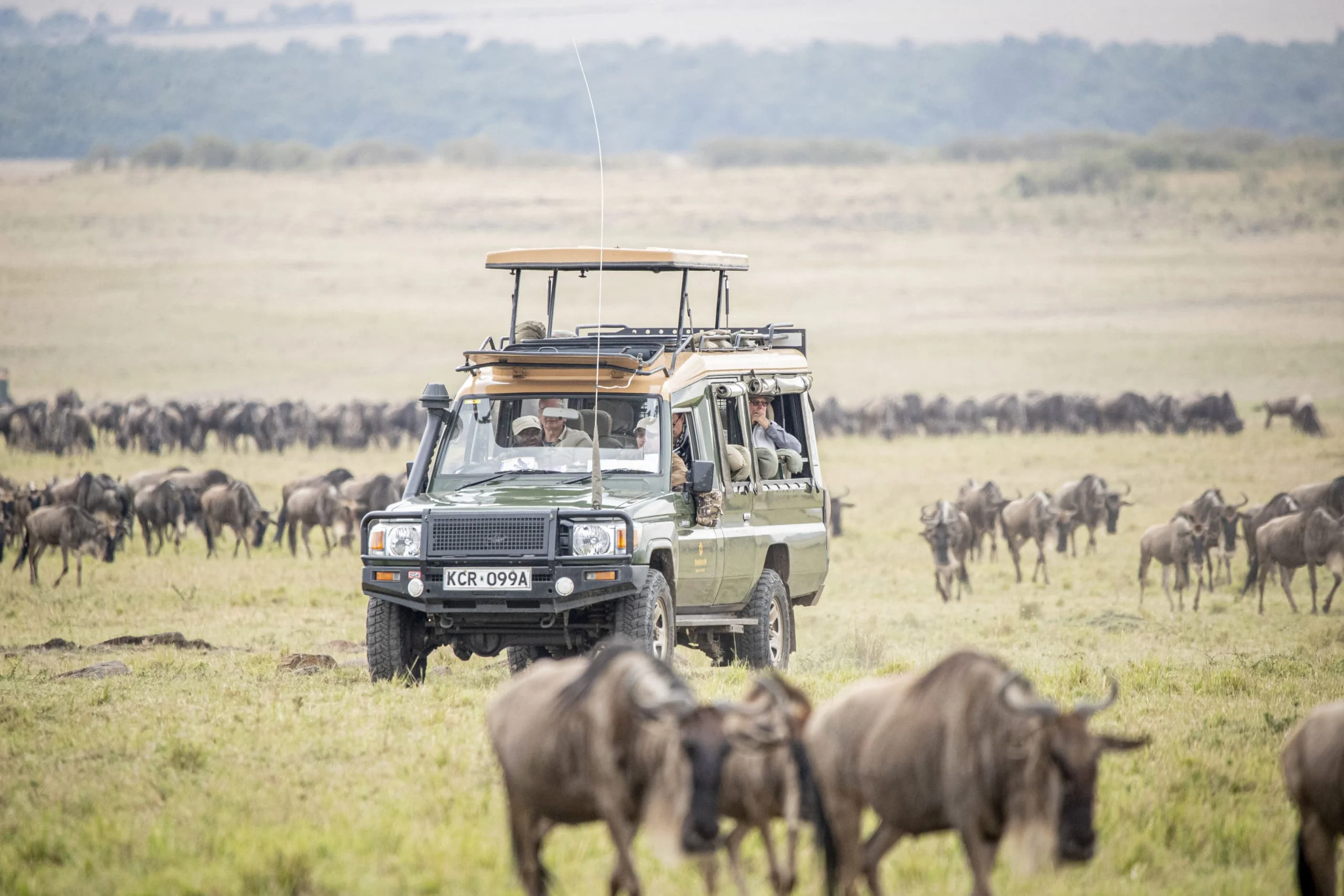 Safari Planning Guides
How to Plan a Safari for Primate Encounters
Learn about how to plan a safari for primate encounters in this comprehensive safari guide covering key insights and practical advice.
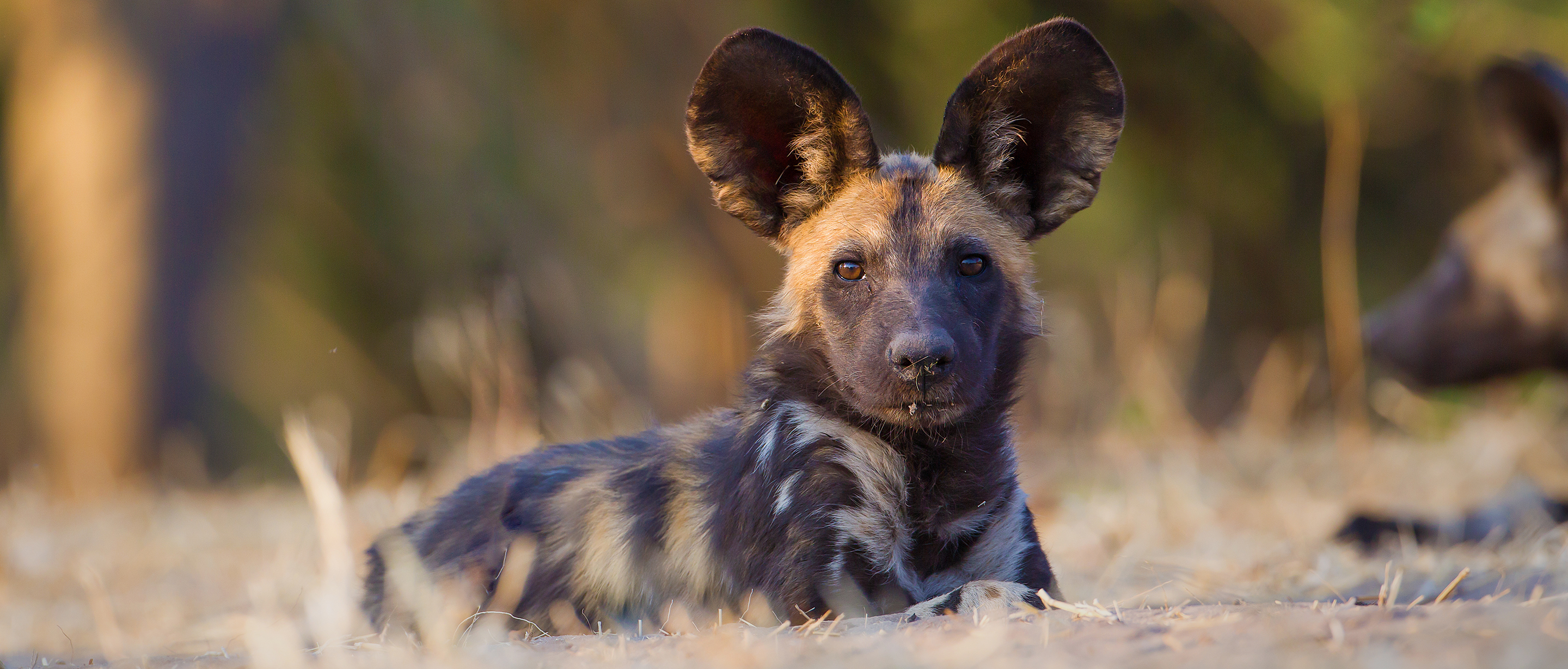 Safari Comparison Articles
Forest Safari vs Grassland Safari
An in-depth comparison of Forest Safari vs Grassland Safari to help you choose the perfect safari experience. Explore the pros, cons, and key differences to mak