
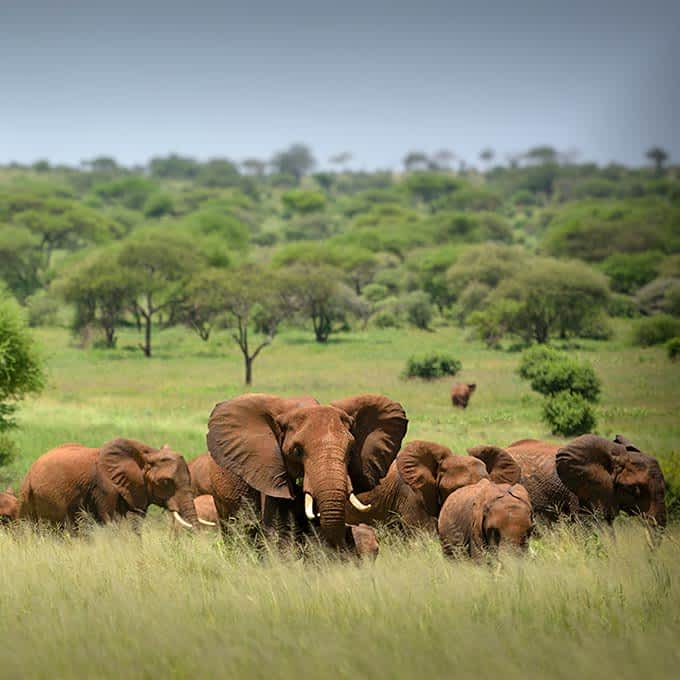
A complete guide to Complete Guide to Central Kalahari Game Reserve. Learn about the wildlife, activities, and best time to visit this amazing destination.
The Second-Largest Game Reserve in the World
The Central Kalahari Game Reserve is the second-largest game reserve in the world, covering an area of over 52,000 square kilometers. It is a vast and remote wilderness of open plains, ancient riverbeds, and sand dunes. The reserve is home to a unique and fascinating array of desert-adapted wildlife. For more on desert destinations, explore our guide to southern Africa.
The Black-Maned Lions of the Kalahari
The Central Kalahari is famous for its magnificent black-maned lions. These lions are larger and more powerful than their counterparts in other parts of Africa, and they are a truly impressive sight. The reserve is also home to a healthy population of cheetahs, as well as other desert-adapted predators such as the brown hyena and the bat-eared fox. Our safari operators can help you plan a trip that maximizes your chances of seeing these incredible animals.
Still researching? Let us help.
Our advisory team has planned safaris across 9 African countries. We can turn your research into a real plan.
Talk to an AdvisorThe San Bushmen
The Central Kalahari is the ancestral home of the San Bushmen, one of the oldest cultures in the world. A visit to the reserve is a chance to learn about their traditional way of life and their deep connection to the land. A guided walk with a San tracker is a fascinating experience that will open your eyes to the secrets of the bush. For more on cultural experiences, visit our knowledge center.
Planning Your Kalahari Safari
The Central Kalahari is a challenging but incredibly rewarding destination. The best time to visit is during the summer months, from December to March, when the reserve is green and full of life. The reserve is very remote, and a safari here requires careful planning. To get an idea of the costs for a trip to the Central Kalahari, use our cost calculator. Our team can help you plan a true wilderness adventure in this vast and beautiful desert.
_This article has been expanded by an expert safari guide to provide comprehensive, in-depth information for travelers planning a trip to the Central Kalahari Game Reserve._
Understanding the Kalahari Ecosystem: Beyond the Desert Mirage
The Central Kalahari Game Reserve (CKGR) is often misunderstood as a vast, empty wasteland. In reality, it is a complex and dynamic semi-arid ecosystem, characterized by ancient riverbeds, sprawling grasslands, and resilient acacia woodlands. Unlike the dune seas of the Namib, the Kalahari is a "green desert," a landscape that pulses with life, especially after the seasonal rains.
The ecosystem is defined by its fossilized river valleys, most notably Deception Valley. These valleys, remnants of ancient waterways, become magnets for wildlife during the wet season (December to April). The mineral-rich soils support nutritious grasses that draw thousands of springbok, gemsbok, and wildebeest, which in turn attract the region's famed black-maned Kalahari lions, cheetahs, and brown hyenas.
> Expert Insight: The Kalahari's black-maned lions are a prime example of adaptation. Their darker manes are not just visually striking; some studies suggest they may be linked to higher testosterone levels and better health, making them formidable rulers of this harsh domain. Observing them patrol the vast pans of Deception Valley is a quintessential Kalahari experience.
Beyond the valleys, the landscape is a mosaic of sandveld, vegetated dunes, and isolated pans. This variety of habitats supports a surprising diversity of life. The hardy camelthorn and shepherd's trees provide browse for giraffes and kudu, while the smaller creatures—honey badgers, bat-eared foxes, and meerkats—thrive in the sandy soils.
Done Reading? Let's Build Your Safari.
Skip the guesswork. Work with an advisor who has been on the ground across East and Southern Africa.
Plan With UsThe Rhythms of Life: Wildlife Viewing Through the Seasons
The CKGR offers a dramatically different experience depending on the time of year. Understanding these seasonal rhythms is key to planning a successful safari.
The Green Season (December - April)
This is the time of transformation. The summer rains bring the desert to life, carpeting the valleys with lush grasses. This is the peak season for wildlife viewing, as vast herds of plains game congregate in areas like Deception Valley and the northern plains.
- Wildlife Highlights: Large herds of springbok and gemsbok, often with their young. Wildebeest migrations, though not on the scale of the Serengeti, are impressive. This is also the best time to see predators in action, as lions, cheetahs, and leopards take advantage of the abundance of prey.
- Birding: The pans fill with water, attracting a plethora of migratory birds, including flamingos and various waterfowl. It's a birding paradise.
- Challenges: The rains can make some tracks impassable, and self-driving requires a well-equipped 4x4 and significant experience. Afternoon thunderstorms are common.
The Dry Season (May - November)
As the water sources evaporate, the landscape returns to its classic semi-arid state. Wildlife disperses, seeking permanent waterholes and moisture from plants like tsamma melons. The viewing experience becomes more about tracking and appreciating the desert-adapted species.
- Wildlife Highlights: This is the best time to see desert specialists. Elephants are more frequently seen around pumped waterholes. The sparse vegetation makes it easier to spot resident predators, although they are more spread out. It's an excellent time for observing cheetahs, who favor the open terrain for hunting.
- Stargazing: The clear, dry nights offer some of the most spectacular stargazing in Africa. The lack of light pollution reveals the Milky Way in breathtaking detail.
> Traveler's Tip: The shoulder months of May and November can offer a compelling balance. In May, the landscape is still green, but the roads are drier. In November, the anticipation of the first rains creates a palpable tension in the animal kingdom, and you may witness the first dramatic storms.
Planning a CKGR Safari: Routes, Accommodation, and Logistics
A safari to the Central Kalahari is not a casual undertaking; it requires careful planning and a degree of self-sufficiency, even on a guided trip. The reserve is vast, remote, and wild.
Access and Routes
The two primary entry points are the Matswere Gate in the northeast and the Xade Gate in the west. Most safaris focus on the northern section, including Deception Valley, Sunday Pan, and Passarge Valley. A typical route might involve a 4-5 day loop from Maun, entering at Matswere and exploring the northern valleys.
For the more adventurous, a longer, one-way traverse from north to south (or vice versa) offers a true wilderness immersion, but this requires carrying all fuel, water, and supplies for the entire journey. These routes can take 7-10 days.
Accommodation Styles
- Public Campsites: The Botswana National Parks (DWNP) operates unfenced campsites throughout the reserve. These are basic, offering just a fire pit and a long-drop toilet. You must be entirely self-sufficient. Popular sites include Kori, Deception, and Motopi.
- Luxury Lodges: For those seeking comfort, a few exclusive lodges operate in private concessions bordering or inside the reserve. Options like Kalahari Plains Camp and Tau Pan Camp offer guided game drives, comfortable accommodation, and a chance to experience the Kalahari with expert guides without the logistical challenges of a self-drive trip. These lodges offer a more inclusive experience, with prices often starting from $800 per person per night.
- Mobile Safaris: This is arguably the best way to experience the CKGR. A private or small-group mobile safari combines the adventure of camping with the comfort and expertise of a full crew. A guide, chef, and camp staff travel with you, setting up comfortable tented camps in private campsites. This allows you to explore remote areas without sacrificing comfort and safety. For a deeper dive into safari styles, visit our safari operators page.
Beyond the Game Drive: Unique Kalahari Experiences
A trip to the CKGR is about more than just ticking off a list of animals. It's about immersing yourself in a unique and ancient landscape.
- Cultural Interaction: The Kalahari is the ancestral home of the San (Bushmen). Some itineraries, particularly those including lodges on the western side, offer opportunities for respectful cultural walks with San guides. Learning about their tracking skills, knowledge of medicinal plants, and survival techniques is a humbling and profound experience.
- Walking Safaris: The open landscape of the Kalahari is ideal for guided walks. Accompanied by an armed guide, you can learn to read the tracks and signs of the bush, appreciating the smaller details you miss from a vehicle. This is a chance to connect with the environment on a much deeper level.
- Sleep-Outs: Some lodges and mobile operators offer the chance to sleep out on a star bed—a raised platform with comfortable bedding, open to the vast night sky. Falling asleep to the distant roar of a lion under a blanket of stars is an unforgettable memory.
Planning a safari to a destination this remote can be complex. To understand how these different elements affect your budget, explore our safari cost calculator. For personalized advice and a custom-built itinerary, we invite you to plan your safari with one of our expert advisors.
Need Expert Safari Guidance?
Get expert advisory support from a firm founded by a former safari guide — with real operational knowledge across 9 African countries and full-journey accountability.
Related Planning Guides
Recommended Reading
 Destination Guides
Complete Guide to Sabi Sands Game Reserve
A complete guide to Complete Guide to Sabi Sands Game Reserve. Learn about the wildlife, activities, and best time to visit this amazing destination.
 Destination Guides
Complete Guide to Madikwe Game Reserve
A complete guide to Complete Guide to Madikwe Game Reserve. Learn about the wildlife, activities, and best time to visit this amazing destination.
 Destination Guides
Complete Guide to Phinda Private Game Reserve
A complete guide to Complete Guide to Phinda Private Game Reserve. Learn about the wildlife, activities, and best time to visit this amazing destination.
 National Park Guides
Samburu National Reserve Guide
Discover the wonders of Samburu National Reserve, home to the Samburu Special Five. Our guide covers wildlife, when to visit, and cultural experiences.
 Wildlife Guides
Complete Guide to African Wild Dog Pack Dynamics
Learn all about Complete Guide to African Wild Dog Pack Dynamics in this comprehensive guide. Discover the best time to go, what to see, and how to plan your trip.
 Safari Planning Guides
How to Plan a Safari for Desert Wildlife
Learn about how to plan a safari for desert wildlife in this comprehensive safari guide covering key insights and practical advice.