
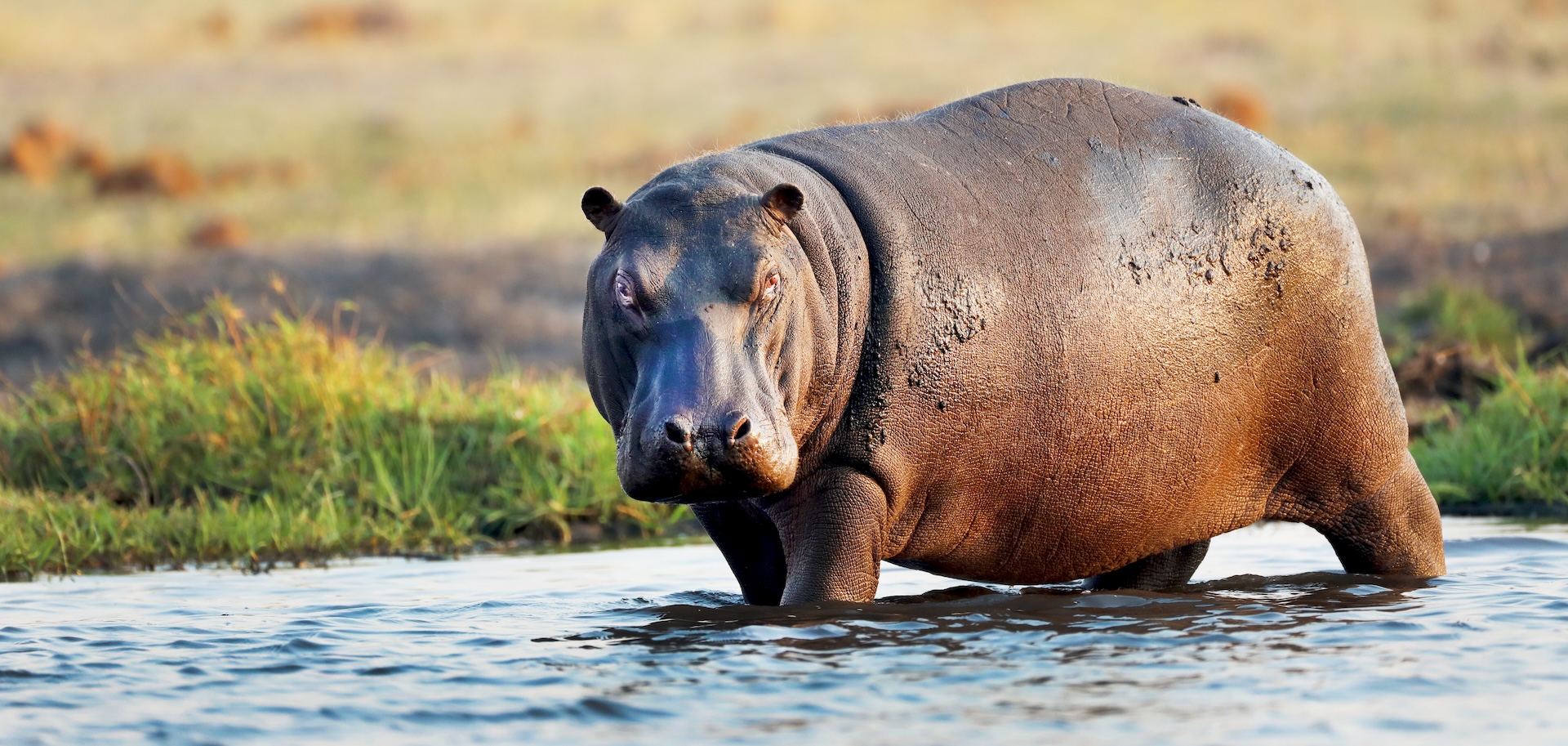
A comprehensive guide to Uganda Safari Currency and Money Guide. Learn everything you need to know for your next safari adventure.
Introduction to Uganda Safari Currency and Money Guide
Understanding uganda safari currency and money guide is essential for anyone planning a safari in Africa. This topic encompasses a range of considerations that can significantly impact your travel experience, from practical logistics to wildlife encounters that create lasting memories.
Key Details and Considerations
Several critical factors influence uganda safari currency and money guide in the African safari context. Geographic location, time of year, and the specific activities you're interested in all play important roles. The diversity of Africa's safari destinations means that no two experiences are alike, and understanding these nuances helps you plan more effectively. Our destination guides provide detailed information for each region.
Still researching? Let us help.
Our advisory team has planned safaris across 9 African countries. We can turn your research into a real plan.
Talk to an AdvisorPractical Advice
When applying insights about uganda safari currency and money guide to your safari planning, remember that the best experiences come from thoughtful preparation combined with openness to the unexpected. Africa has a way of surprising even the most seasoned travelers. Use our comprehensive planning resources to build a solid foundation, then trust your guides and the wilderness to deliver moments you'll never forget.
Expert Insights
The landscape of uganda safari currency and money guide reflects broader trends in African tourism, including the growing emphasis on authentic experiences, wildlife conservation, and cultural exchange. Modern safari travelers are more informed and discerning than ever, seeking meaningful connections with the natural world rather than simply checking off a bucket list. Our knowledge center supports this approach with in-depth articles covering every aspect of safari travel.
Planning Your Next Steps
To wrap up, mastering uganda safari currency and money guide is an investment that pays dividends throughout your safari journey. The more you understand about Africa's diverse ecosystems, wildlife, and tourism infrastructure, the better equipped you'll be to make decisions that lead to extraordinary experiences. Start your planning journey with our comprehensive knowledge center and connect with our team of experienced safari operators for personalized guidance.
Done Reading? Let's Build Your Safari.
Skip the guesswork. Work with an advisor who has been on the ground across East and Southern Africa.
Plan With UsUsing US Dollars vs. Ugandan Shillings
While the official currency of Uganda is the Ugandan Shilling (UGX), the US Dollar (USD) is widely accepted and often preferred within the tourism industry. When paying for major expenses such as gorilla and chimpanzee permits, park entrance fees, and accommodation at safari lodges, you will find that prices are quoted in USD. For smaller, everyday purchases at local markets, restaurants, and for transportation in towns, it is advisable to use Ugandan Shillings. We recommend exchanging a small amount of USD into UGX upon arrival at Entebbe International Airport (EBB) for these incidental costs. When using US Dollars, it is crucial to have bills that are in good condition, without tears or markings, and printed in 2009 or later, as older bills are often not accepted.
Credit Cards, and ATM Access
Credit card acceptance in Uganda is largely limited to major hotels, upscale restaurants, and larger tour operators in Kampala and Entebbe. Visa is the most widely accepted card, with MasterCard also being accepted in some establishments. However, once you venture out on safari to more remote areas and national parks, you should not expect to rely on credit cards. Therefore, carrying a sufficient amount of cash in both USD and UGX is essential. ATMs are available in major cities and towns, but can be unreliable in more rural locations. It is also important to inform your bank of your travel dates and destinations to avoid your card being blocked for suspicious activity.
Tipping Culture on a Ugandan Safari
Tipping is a customary practice in the Ugandan tourism industry and is a way to show appreciation for good service. While not mandatory, it is highly encouraged, as it provides a significant source of income for local staff. For your safari driver-guide, a tip of $10-$20 USD per person, per day is a standard guideline. For lodge and camp staff, there is often a communal tipping box, and a contribution of $5-$10 USD per person, per day is appropriate. For specialized guides, such as those for gorilla or chimpanzee trekking, a tip of $15-$20 USD per person is recommended. For porters who assist with carrying your bags during treks, a tip of $10-$15 USD per porter is a thoughtful gesture.
Advanced Budgeting for Your Ugandan Safari
Beyond your international flights and primary tour package, several other costs are crucial for accurate budgeting on a Ugandan safari. Park entrance fees, for instance, are a daily expense that can accumulate. At major savannah parks like Murchison Falls National Park or Queen Elizabeth National Park, the standard fee for foreign non-residents is $40 USD per person, per 24-hour cycle. For a five-day safari exploring two parks, this alone adds $200 per person to your budget. Vehicle entry fees are separate, typically around $50 USD per entry for a standard safari vehicle.
Activity costs also vary. A boat safari on the Kazinga Channel in Queen Elizabeth National Park costs approximately $30 USD per person, while a similar launch trip to the base of Murchison Falls is also in the same price range. For those seeking more adventurous experiences, a hot air balloon safari in Murchison Falls can cost upwards of $380 USD per person. It is essential to itemize these anticipated expenses with your safari planning guide to avoid surprises. Our team of safari operators can help you build a comprehensive budget tailored to your interests.
Currency Exchange and Financial Safety
While Entebbe International Airport (EBB) offers the convenience of immediate currency exchange upon arrival, the rates are often less favorable than those found at licensed Forex bureaus in Kampala or other large towns. For larger sums, it is financially prudent to exchange money in the city. Look for established bureaus and always ask for a receipt. Avoid exchanging money with informal street vendors, as this carries a high risk of fraud or receiving counterfeit currency.
When carrying cash, especially large amounts of USD for lodge payments, safety is paramount. Utilize your hotel or lodge safe to store your passport and excess currency. On travel days, a concealed money belt worn under your clothing is the most secure method for carrying cash. It is also wise to split your cash reserves between your main luggage and your daypack, so that a loss of one bag does not leave you without funds. Always be discreet when handling money in public places.
Budgeting for Your Gorilla Trekking Experience
Gorilla trekking in Bwindi Impenetrable National Park or Mgahinga Gorilla National Park is a significant investment, and the permit fee ($700 USD as of 2024) is only the beginning. To budget accurately, you must account for accommodation, which can range from $150 per night for budget options like Buhoma Community Rest Camp to over $1,000 per night for luxury lodges such as Sanctuary Gorilla Forest Camp or Clouds Mountain Gorilla Lodge.
Transportation to the trailheads in Bwindi's four sectors (Buhoma, Ruhija, Rushaga, and Nkuringo) can also be a hidden cost, especially if you are staying far from your assigned trekking point. Hiring a porter is highly recommended, not just for assistance on the challenging terrain but also to directly support the local community. A porter costs around $15-$20 USD and is worth every penny. After your trek, you will also want to budget for tips for your guide and trackers, which typically amounts to $20-$30 USD per trekker.
USD vs. UGX: What to Use and When
Navigating when to use US Dollars versus Ugandan Shillings can be simplified with a clear breakdown. The following table provides a practical guide for common safari expenses.
| Expense Category | Recommended Currency | Notes | | :--- | :--- | :--- | | Safari Lodges & Camps | USD | All high-end and mid-range accommodations quote and charge in US Dollars. | | Gorilla/Chimp Permits | USD | Park authorities (UWA) require these to be paid in USD. | | Park Entrance Fees | USD | All national park fees for foreign non-residents are priced and paid in USD. | | Internal/Charter Flights | USD | Domestic air carriers like Aerolink price their flights in US Dollars. | | Driver-Guide Tips | USD | Tipping your main guide in USD is standard and preferred. | | Local Restaurants & Cafes | UGX | For meals in towns like Entebbe, Kampala, or Fort Portal, Shillings are best. | | Souvenirs & Craft Markets | UGX | Using local currency often results in a better price and is easier for vendors. | | Public Transport (Boda-bodas) | UGX | Local transport can only be paid for with Ugandan Shillings. | | Supermarket Purchases | UGX | For snacks, water, or other supplies, UGX is the required currency. | | Lodge Staff & Porter Tips | USD or UGX | While USD is common, UGX is also gratefully accepted in the equivalent amount. |
Need Expert Safari Guidance?
Get expert advisory support from a firm founded by a former safari guide — with real operational knowledge across 9 African countries and full-journey accountability.
Related Planning Guides
Recommended Reading
 Country Guides
Tanzania Safari Currency and Money Guide
A comprehensive guide to Tanzania Safari Currency and Money Guide. Learn everything you need to know for your next safari adventure.
 Country Guides
Kenya Safari Currency and Money Guide
A comprehensive guide to Kenya Safari Currency and Money Guide. Learn everything you need to know for your next safari adventure.
 Country Guides
Botswana Safari Currency and Money Guide
A comprehensive guide to Botswana Safari Currency and Money Guide. Learn everything you need to know for your next safari adventure.
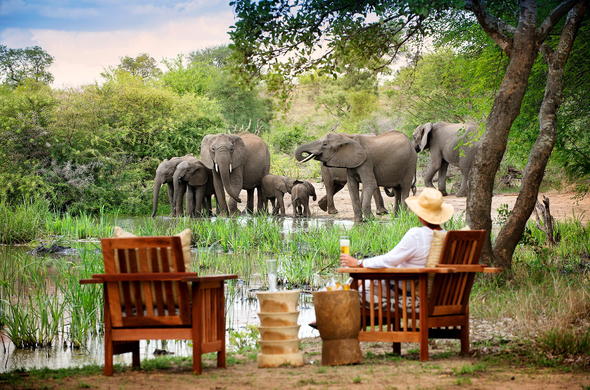 Safari Planning
Step-by-Step Guide to Planning an African Safari
Learn how to plan your first African safari with our step-by-step guide. We cover everything from choosing a destination to booking your trip and packing.
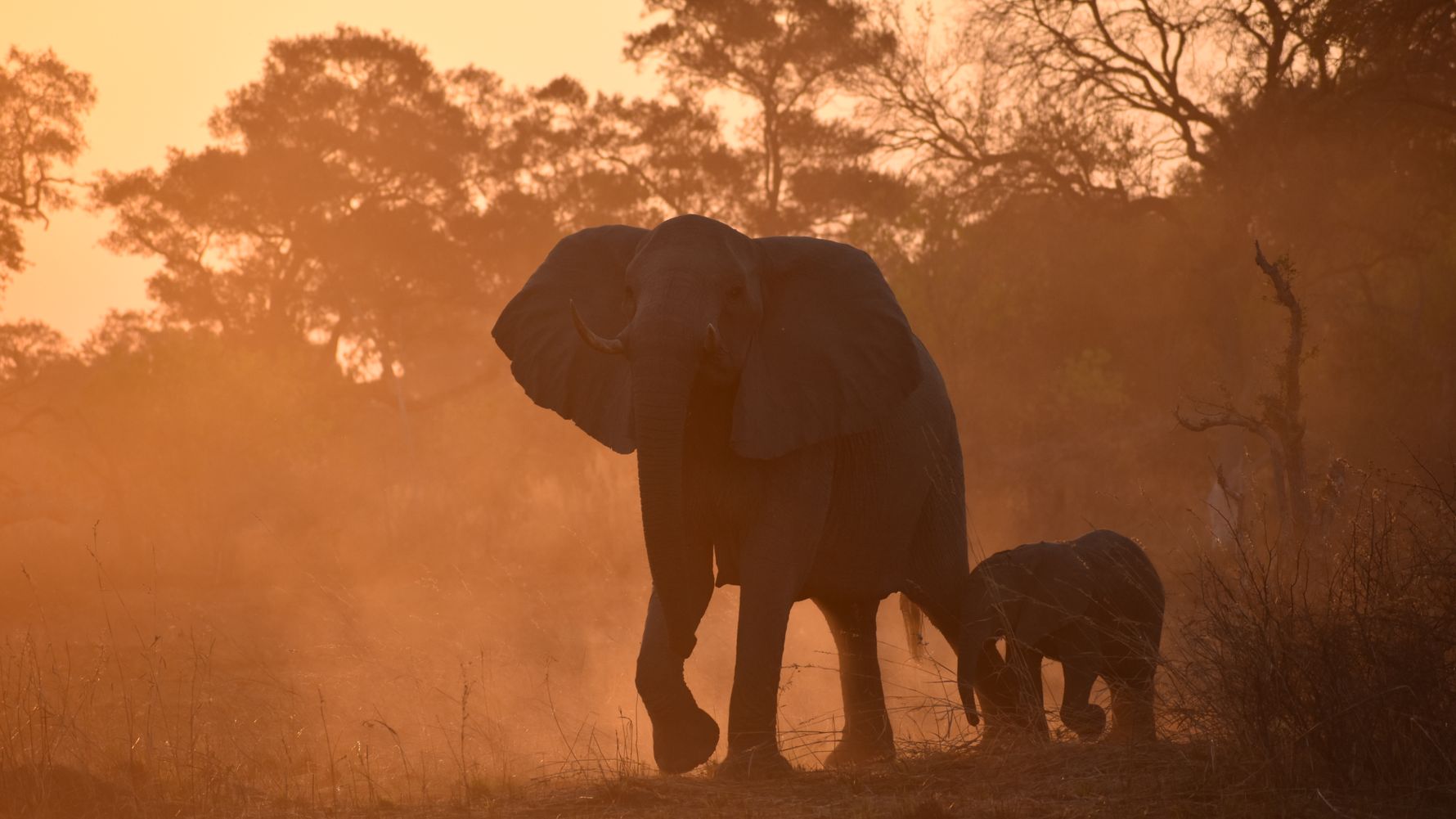 Safari Planning
Self-Drive Safari vs Guided Safari
Deciding between a self-drive safari and a guided safari? This guide breaks down the pros, cons, costs, and key differences to help you choose the right trip.
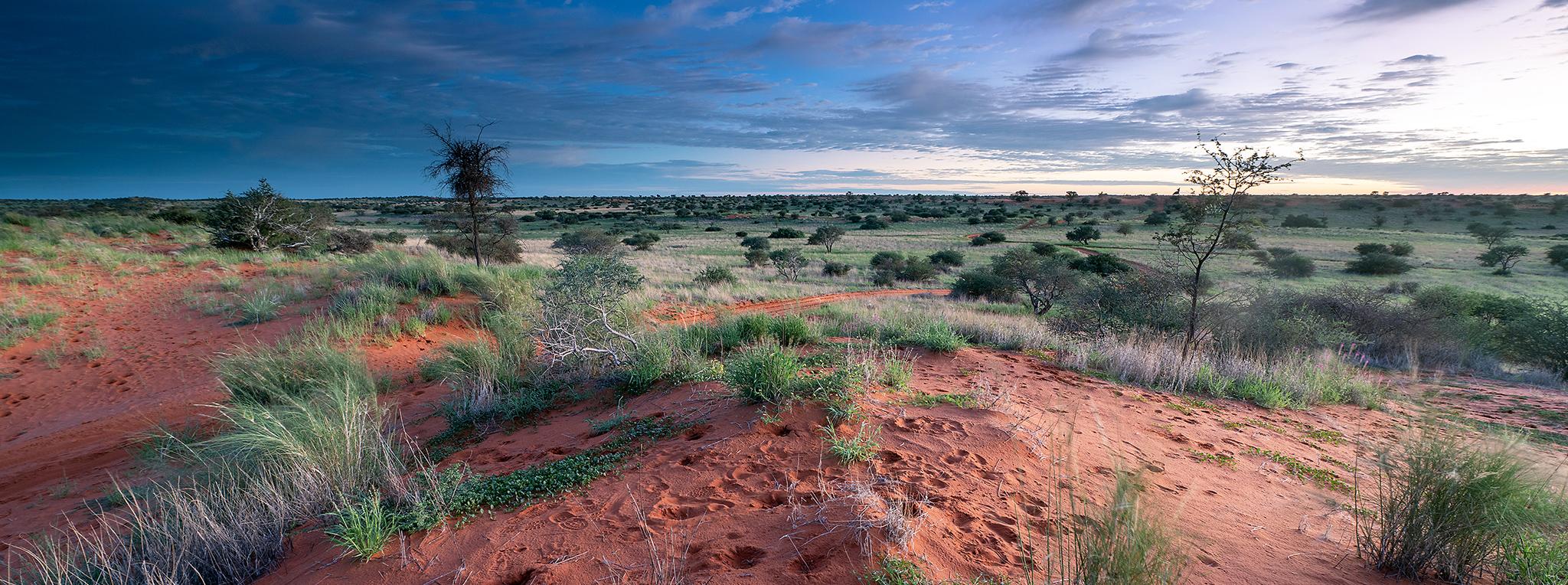 Safari Costs
Luxury Safari Pricing Guide
Discover the real cost of a luxury African safari. Our guide breaks down pricing by country, what\