
Not all safari tents are created equal. Our guide to safari tent types will help you understand the difference between a dome tent and a luxury suite.
About Safari Tent Types Explained
This in-depth guide explores safari tent types explained, providing essential information for anyone planning an African safari. Understanding this topic thoroughly will help you make informed decisions and have a more rewarding safari experience. Africa's safari industry continues to evolve, and staying informed about the latest developments ensures you get the best possible experience.
Why This Matters for Your Safari
Safari Tent Types Explained is an important consideration for safari travelers. Whether you're a first-time visitor or a returning enthusiast, understanding the nuances of this topic can significantly impact your trip. From choosing the right destinations to selecting appropriate operators, every decision builds on foundational knowledge. Our safari operators can provide personalized guidance based on your specific needs.
Still researching? Let us help.
Our advisory team has planned safaris across 9 African countries. We can turn your research into a real plan.
Talk to an AdvisorKey Insights and Recommendations
Based on extensive industry experience and traveler feedback, several key insights emerge. First, research is your best investment, as the more you know before booking, the better your experience will be. Second, flexibility in timing and destinations often leads to better value and fewer crowds. Third, working with experienced professionals, whether guides, operators, or advisors, consistently produces superior outcomes. Explore our knowledge center for more detailed articles on related topics.
Practical Applications
Putting this knowledge into practice starts with your planning process. Begin by identifying your priorities, whether that's specific wildlife encounters, landscape preferences, or cultural experiences. Then use resources like our destination guides, cost calculator, and operator directory to build an itinerary that aligns with your goals. Don't rush the planning process, as a well-planned safari is almost always more rewarding than a hastily arranged one.
Further Reading
To deepen your understanding, explore related articles in our knowledge center. Each guide is written by safari industry professionals with firsthand experience across Africa's top destinations. For personalized advice, our safari planning guidey team is available to answer your questions and help refine your plans.
Done Reading? Let's Build Your Safari.
Skip the guesswork. Work with an advisor who has been on the ground across East and Southern Africa.
Plan With UsMeru-Style vs. Dome Tents: A Practical Comparison
When selecting a safari, the type of tented accommodation is a crucial detail that shapes your experience. The two most prevalent styles are Meru-style tents and dome tents, each offering distinct advantages.
Meru-style tents represent the classic, romantic image of a safari. These are large, rectangular canvas structures with high-pitched roofs, often featuring a private, shaded veranda. Their spacious interiors comfortably accommodate full-sized beds, wardrobes, and seating areas. Most importantly, they typically include a private, en-suite bathroom with a flushing toilet and a hot-water shower, blending the immersive feeling of being in the wild with the comforts of a hotel room. For example, many camps in Botswana’s Okavango Delta and Tanzania’s Serengeti, such as the renowned Sayari Camp, utilize luxurious Meru-style tents to provide an authentic yet comfortable base for exploring the wilderness.
Dome tents, on the other hand, are more commonly associated with mobile or adventure safaris. These smaller, modern tents are designed for mobility and efficiency. While they offer less interior space, high-quality dome tents used on guided safaris are far from basic camping. They are typically tall enough to stand in and are furnished with comfortable cots or bedrolls. Their primary advantage is enabling safari operators to establish private camps in exclusive, remote areas, following wildlife movements like the Great Migration across the Serengeti.
Case Study: The Tented Palace of Singita Sabora
To illustrate the pinnacle of tented luxury, consider Singita Sabora Tented Camp, located in the private Grumeti Reserve in Tanzania. This camp elevates the concept of a 'tent' to world-class levels, offering an experience that rivals the finest permanent lodges. Each of the nine 1920s-inspired tents is an opulent suite featuring hardwood floors, vintage furnishings, a four-poster bed, and a full en-suite bathroom complete with a claw-foot bathtub and an outdoor shower. A private deck with a spotting scope allows for personal wildlife viewing right from your room. This level of detail demonstrates how a tented camp can provide unparalleled luxury and an intimate connection to the surrounding environment, with costs reflecting this exclusivity—often starting from $2,000 per person per night.
Beyond Meru and Dome: Specialized Tented Experiences
While Meru and dome tents form the foundation of safari lodging, the industry has innovated to offer even more specialized ways to experience the bush. These options cater to different travel styles, from the ultra-luxurious to the profoundly rustic, allowing you to tailor your proximity to nature.
Walk-in Safari Tents are often the heart of semi-permanent and permanent camps. These are an evolution of the Meru style, often larger and more structurally robust, blurring the line between a tent and a lodge room. They feature solid wood floors, permanent plumbing, electricity, and sometimes even climate control. Camps like Sanctuary Chief's Camp in Botswana’s Okavango Delta or Asilia's Sayari Camp in the Serengeti use these expansive tents to offer a high-end, comfortable experience without sacrificing the classic canvas ambiance. They are perfect for travelers who want the romance of a tented safari with the amenities of a luxury hotel.
Star Beds and Sky Beds represent one of the most magical and immersive experiences available. These are typically raised platforms, often built as a second story above a suite or as a standalone structure, with a comfortable bed left open to the night sky (or covered with a fine mosquito net). They allow you to sleep safely in the open, surrounded by the nocturnal sounds of the bush and under a blanket of stars. Famous examples include the Loisaba Star Beds in Kenya and the Kanana Sleep-Out Deck in Botswana. This is an unforgettable add-on for a romantic trip or for anyone seeking a deeper connection with the wilderness.
A Comparative Guide to Safari Tents
Choosing the right tent is about aligning the accommodation with your safari goals, budget, and comfort level. A high-end adventure safari might use luxury Meru tents, while a budget-conscious mobile safari will use dome tents. To clarify the differences, here is a direct comparison:
| Feature | Meru-Style Tent | Dome Tent | Star Bed / Sky Bed | | :--- | :--- | :--- | :--- | | Size & Space | Very spacious; often 40-100 sq meters. Room for king beds, lounge area. | Compact; typically just large enough for cots/bedrolls and luggage. | Varies; the platform is usually spacious, but the focus is on the open-air bed. | | Bathroom | Full en-suite with flushing toilet, sink, and hot-water shower. | Shared, separate bathroom block or a simple private eco-toilet. | Often part of a larger suite with a full bathroom downstairs. | | Comfort Level | High to exceptional. Full-size beds, premium linens, electricity. | Basic but comfortable. Cots or bedrolls, sleeping bags. | High; features a luxurious bed and linens, but exposed to the elements. | | Mobility | Semi-permanent or permanent. Not easily moved. | Highly mobile. Ideal for following wildlife migrations. | Permanent structure. Fixed in one location for optimal views. | | Best For | Honeymooners, luxury travelers, families seeking comfort. | Adventurous travelers, budget-conscious groups, photographers on the move. | Romantic getaways, seasoned safari-goers, stargazing enthusiasts. | | Example Cost | $800 - $2,500+ per person, per night. | $300 - $700 per person, per night. | Typically an add-on to a luxury lodge stay; adds to the overall cost. |
How to Choose the Right Tent for Your Safari
Your choice of tent directly impacts the tone and rhythm of your safari. If your priority is seeing the Great Migration in a remote corner of the Serengeti, a mobile camp with dome tents is the most practical and effective way to stay close to the herds. These safaris, often found in our operator directory, prioritize location and wildlife over luxury.
Conversely, if you are planning a honeymoon or a special anniversary trip to the Okavango Delta, a camp with luxurious Meru-style tents provides the perfect blend of romance, comfort, and wilderness immersion. These camps are destinations in themselves, offering a serene and exclusive atmosphere. For a truly unique experience, adding a night in a Star Bed can elevate your trip from memorable to unforgettable. When you're ready to explore options, our safari operators can help you compare specific camps and itineraries to find the perfect fit for your travel style and budget.
Need Expert Safari Guidance?
Get expert advisory support from a firm founded by a former safari guide — with real operational knowledge across 9 African countries and full-journey accountability.
Related Planning Guides
Recommended Reading
 Travel Logistics
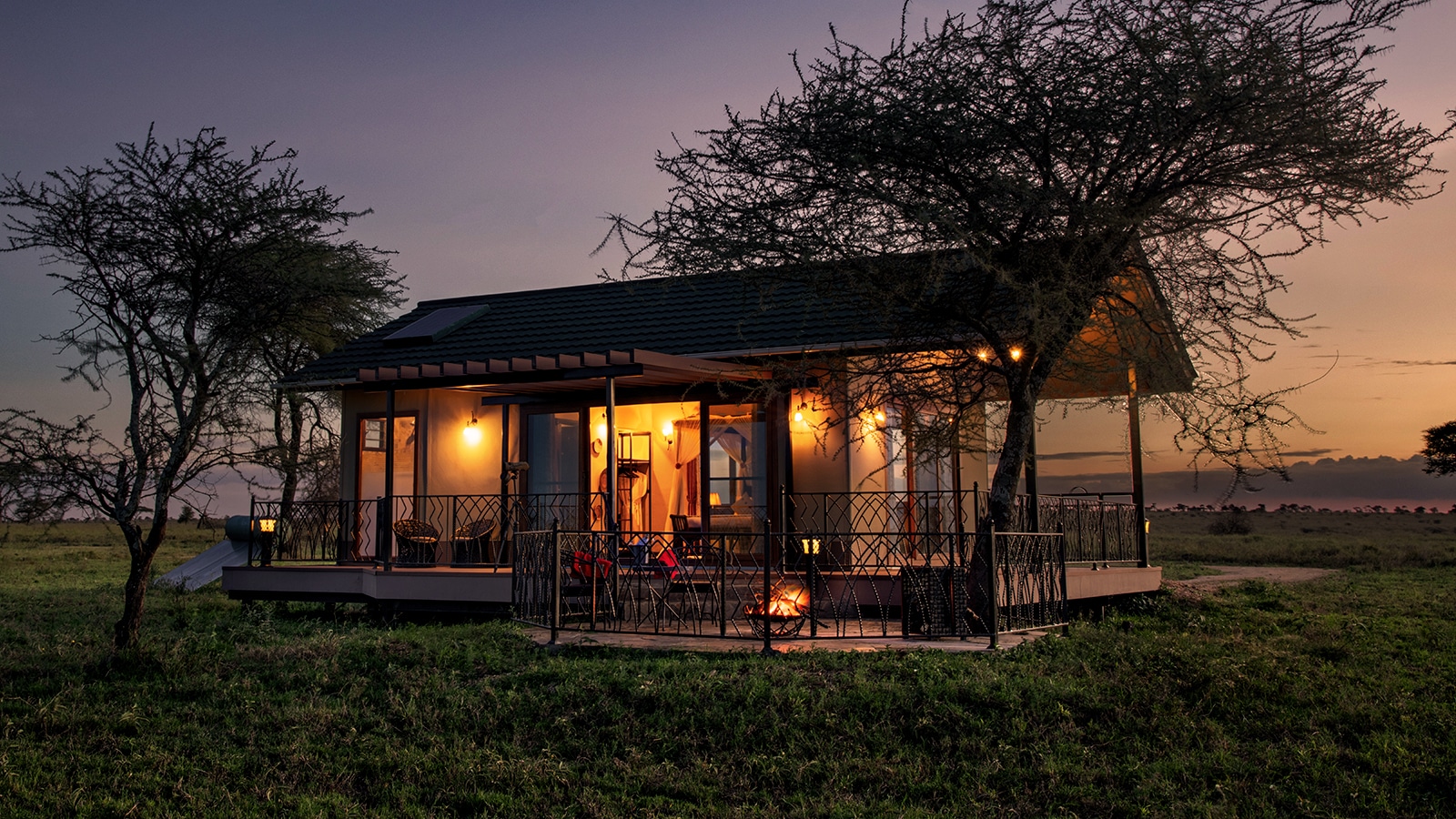
Safari Room Types and Accommodation Options
From classic tents to luxurious suites, safari accommodation has something for everyone. Explore the different room types and find the perfect option for your s
 Travel Logistics
Safari Airport Transfer Options Explained
Learn about safari airport transfer options explained and how it can impact your safari experience. Get expert advice and start planning your dream safari today.
 Travel Logistics
Safari Charter Flight Options Explained
Learn about safari charter flight options explained and how it can impact your safari experience. Get expert advice and start planning your dream safari today.
 Additional Safari Topics
Safari Landscape Types
Discover the diverse safari landscape types, from savannas and deserts to wetlands and forests. Learn how each ecosystem shapes your African safari adventure.
 Safari Comparison Articles
Lodge Safari vs Tented Camp Safari
An in-depth comparison of Lodge Safari vs Tented Camp Safari to help you choose the perfect safari experience. Explore the pros, cons, and key differences to ma
 Safari Costs
Safari Pricing Explained
Understand what drives African safari prices. This guide explains the key factors that determine safari costs, from accommodation and season to destination.