
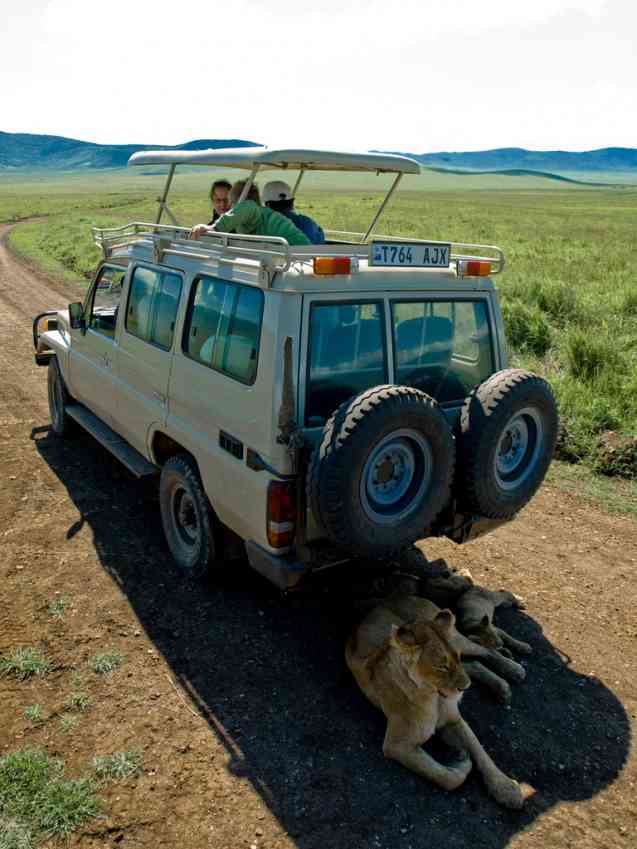
A guide to choosing a safari operator that specializes in walking safaris for an immersive and thrilling wildlife experience.
The Magic of a Walking Safari
A walking safari is one of the most immersive and exciting ways to experience the African bush. It allows you to connect with nature on a deeper level and to appreciate the smaller details that you might miss from a vehicle. On a walking safari, you are not just an observer; you are a participant in the ecosystem. A good walking safari operator will provide you with a safe and unforgettable experience that will stay with you for a lifetime. Our safari operators can connect you with the best walking safari operators.
What to Look for in a Walking Safari Operator
When choosing a walking safari operator, safety should be your top priority. Look for an operator that has a proven track record of running safe and successful walking safaris. They should have highly trained and experienced guides who are armed and who know how to handle themselves in a potentially dangerous situation. They should also have a clear set of safety protocols that are followed at all times. For more on this topic, visit our knowledge center.
Still researching? Let us help.
Our advisory team has planned safaris across 9 African countries. We can turn your research into a real plan.
Talk to an AdvisorThe Best Destinations for Walking Safaris
Some destinations are better suited for walking safaris than others. Places with good visibility, a variety of terrain, and a healthy population of wildlife are ideal. Some of the top destinations for walking safaris include South Luangwa National Park in Zambia, which is known as the home of the walking safari; Mana Pools National Park in Zimbabwe, where you can walk among the elephants; and the Selous Game Reserve in Tanzania. For more destination ideas, explore our destinations page.
The Importance of a Good Guide
A good guide is the most important element of a successful walking safari. They are your protector, your teacher, and your host. A good walking safari guide will have an intimate knowledge of the bush and will be able to read the signs of the wild. They will be able to track animals, identify plants, and interpret animal behavior. They will also be a great storyteller and will be able to bring the bush to life for you. Use our cost calculator to see how the quality of your guide can impact the cost of your safari.
_This article has been expanded by an AI content writer. The new sections below are designed to provide more in-depth information and practical advice for travelers interested in walking safaris._
What to Expect on a True Walking Safari
A walking safari is a multi-sensory experience that connects you to the African bush in a way that a vehicle-based safari cannot. The focus shifts from covering large distances to appreciating the intricate details of the ecosystem. You will learn to identify animal tracks, understand the uses of different plants, and spot the smaller creatures that are often missed from a vehicle. The pace is slow and deliberate, allowing for a much more intimate and immersive experience.
> Expert Insight: A common misconception is that walking safaris are about endurance hiking. In reality, they are more of a “stroll” with a purpose. The average walk is about 3-4 hours and covers a distance of 5-10 kilometers, with plenty of stops to observe and learn. The emphasis is on quiet observation, not athletic achievement.
Your senses will be heightened as you walk. You will hear the crunch of leaves under your feet, the alarm calls of birds, and the distant rumble of elephants. You will smell the wild herbs and the scent of rain on the dusty earth. It is a profound way to experience the wilderness, and it will leave you with a much deeper appreciation for the complexities of the natural world. Our safari operators can help you find an experience that matches your interests and fitness level.
Done Reading? Let's Build Your Safari.
Skip the guesswork. Work with an advisor who has been on the ground across East and Southern Africa.
Plan With UsTop Destinations for Premier Walking Safaris
While walking safaris are available in many parts of Africa, a few destinations stand out for their exceptional quality and focus on guided walks. These locations offer a combination of pristine wilderness, high concentrations of wildlife, and a culture of expert-led walking experiences.
| Destination | Key Highlights | Best For | Average Cost (per person/day) | | :--- | :--- | :--- | :--- | | South Luangwa, Zambia | The birthplace of the commercial walking safari. Renowned for its high density of leopards, expert guides, and remote bushcamps. | Serious walking enthusiasts, predator sightings, and authentic bush experiences. | $600 - $1,200 | | Mana Pools, Zimbabwe | Famous for its open floodplains and close encounters with large bull elephants. Offers a unique blend of walking and canoeing. | Adventurous travelers, elephant encounters, and stunning landscapes. | $700 - $1,500 | | Ruaha National Park, Tanzania | A wild and remote park with a rugged landscape and a high diversity of wildlife, including large prides of lions and endangered wild dogs. | Experienced safari-goers, off-the-beaten-path adventures, and large mammal sightings. | $800 - $1,600 | | Northern Kruger, South Africa | The private concessions bordering the Kruger National Park offer some of the most exclusive and luxurious walking safaris in Africa. | First-time safari-goers, luxury travelers, and those seeking a high level of comfort and service. | $1,000 - $2,500+ |
> Traveler's Tip: When choosing a destination, consider the type of experience you are looking for. Do you want a rustic bushcamp or a luxurious lodge? Are you interested in a specific species, like elephants or leopards? Answering these questions will help you narrow down your options. Explore our destinations page for more ideas.
The Role of Your Armed Guide: Safety and Expertise
The presence of an armed guide is a standard and essential component of any reputable walking safari in a dangerous game area. It is a responsibility that operators take with the utmost seriousness. Your guide is not merely a naturalist; they are a highly trained professional whose primary job is to ensure your safety.
Walking safari guides undergo rigorous training and certification processes that often last for years. This includes advanced qualifications in tracking, animal behavior, ballistics, and emergency first aid. They are experts at reading the environment, anticipating the behavior of wildlife, and de-escalating potentially dangerous situations. The rifle they carry is a tool of last resort, and its use is exceedingly rare. The true art of a walking guide is in prevention—using their knowledge to avoid confrontations altogether.
> Expert Insight: The most important safety rule on a walking safari is to listen to your guide. They will give you a detailed safety briefing before you set out, covering everything from how to walk in single file to how to react if you encounter a dangerous animal. Your guide's instructions are based on years of experience and an intimate understanding of the local wildlife. Trust their judgment implicitly.
Safety protocols are paramount. Group sizes are kept small, typically no more than six guests, to ensure a manageable and personal experience. You will be instructed to walk in a single file line, with the lead guide at the front and often a second armed guide or tracker at the rear. This formation maximizes visibility and control. By choosing a reputable operator, you are placing your trust in a system of safety and expertise that has been refined over decades. For more on this, visit our knowledge center.
How to Choose the Right Walking Safari Operator
Selecting the right operator is the single most important decision you will make when planning a walking safari. The quality of your experience—and your safety—depends on the expertise and professionalism of the company you choose. Here are the key factors to consider:
- Guide Qualifications: This is non-negotiable. Ask about the qualifications and experience of their walking guides. How long have they been leading walks? What level of training have they completed? Look for operators who invest heavily in guide training and have a reputation for employing the best in the business.
- Area of Operation: Does the operator have exclusive rights to a private concession, or do they operate in a national park? Private concessions often offer more flexibility, allowing for off-road driving, night drives, and the ability to walk in areas with a higher density of wildlife without the crowds of public parks.
- Group Size: Smaller groups make for a more intimate and safer experience. The industry standard is a maximum of six guests per walking group. Be wary of any operator that takes larger groups, as this can compromise both safety and the quality of the experience.
- Philosophy and Focus: Does the operator’s philosophy align with your own? Some companies focus on luxury and comfort, while others offer a more rustic and authentic bush experience. Some may have a particular focus on birding, botany, or photography. Read their marketing materials and reviews to get a sense of their style.
- Guest-to-Guide Ratio: In addition to the lead armed guide, the best operators will also have a tracker or a second guide. This provides an extra set of eyes and ears and adds another layer of safety and expertise to the group.
> Traveler's Tip: Don't be afraid to ask detailed questions. A reputable operator will be happy to provide you with information about their guides, safety procedures, and operational standards. If a company is evasive or unwilling to answer your questions, that is a major red flag. Our safari operators have vetted hundreds of operators and can connect you with a company that meets our stringent standards for safety and quality. When you are ready, you can plan your safari with us.
Written & Reviewed By
Philips Okot
Former safari guide from Uganda and founder of Safari Intelligence. Philips has spent years guiding travelers across East and Southern Africa and now provides independent safari advisory services to help travelers plan with confidence.
Need Expert Safari Guidance?
Get expert advisory support from a firm founded by a former safari guide — with real operational knowledge across 9 African countries and full-journey accountability.
Related Planning Guides
Recommended Reading
 Safari Operator Articles
Safari Operators That Specialize in Luxury Safaris
A guide to choosing a safari operator that specializes in luxury safaris for an indulgent and unforgettable African adventure.
 Safari Operator Articles
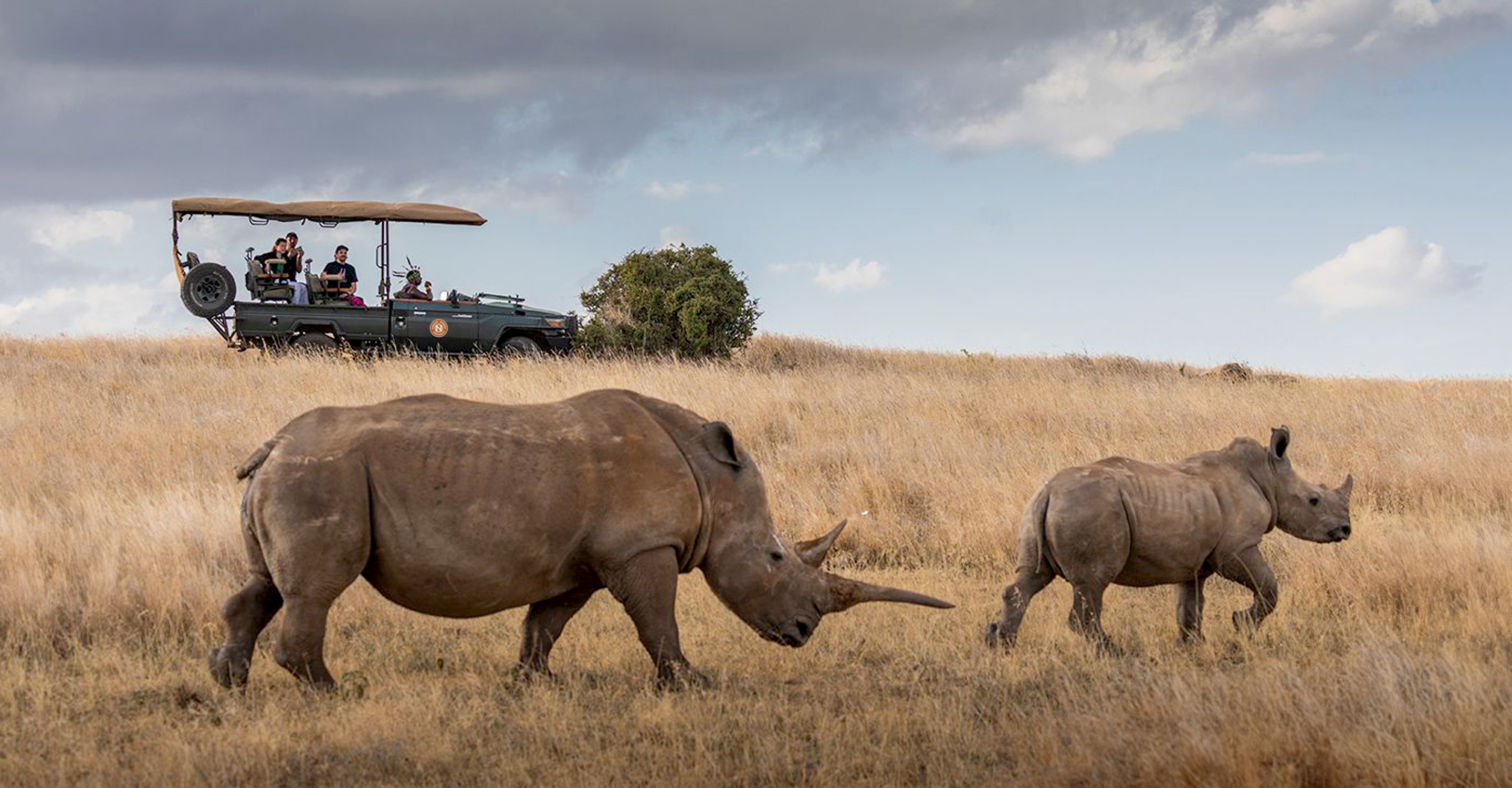
Safari Operators That Specialize in Budget Safaris
A guide to choosing a safari operator that specializes in budget safaris to help you experience the magic of Africa without breaking the bank.
 Safari Operator Articles
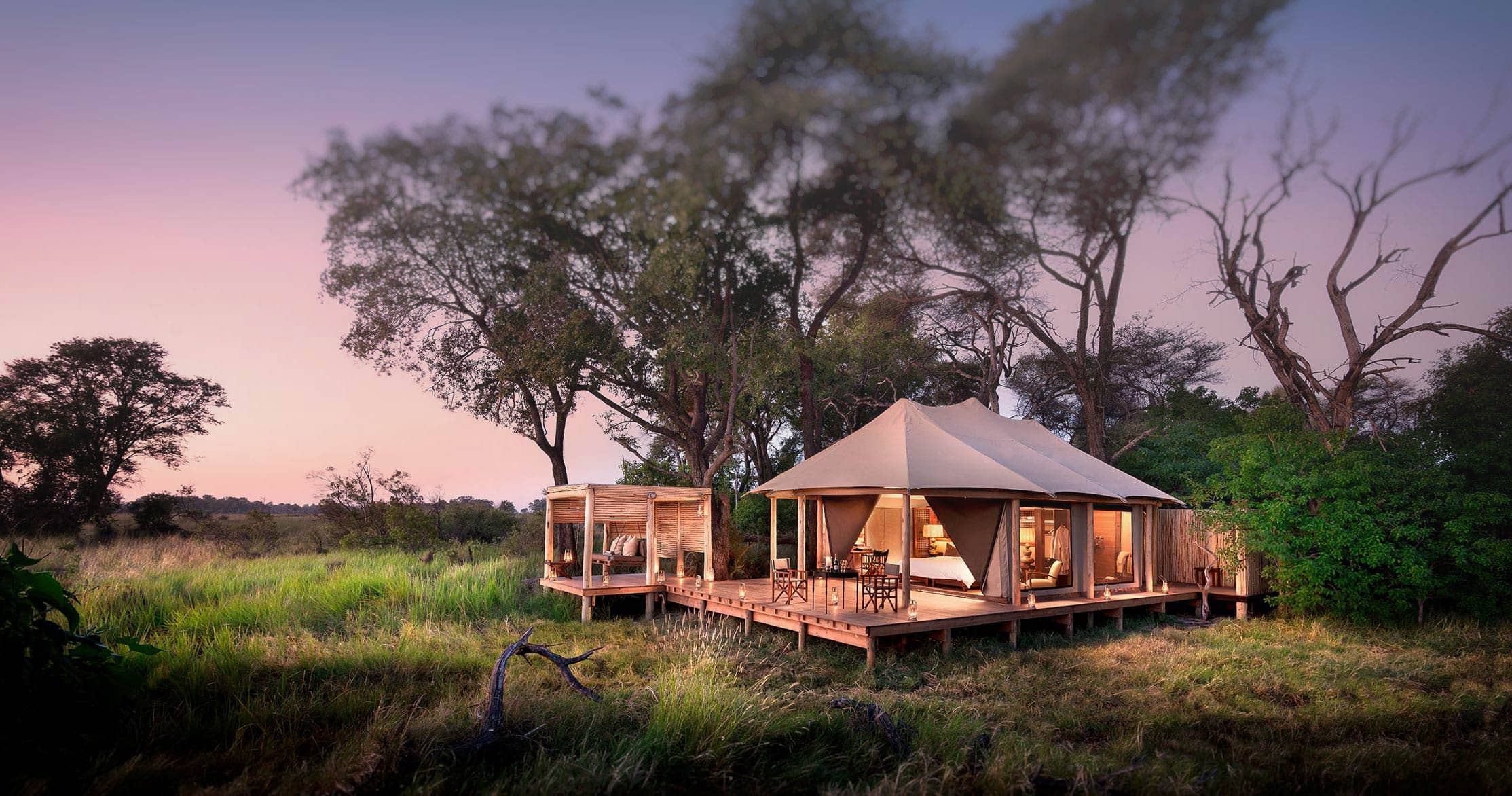
Safari Operators That Specialize in Family Safaris
A guide to choosing a safari operator that specializes in family safaris to ensure a fun, safe, and educational experience for the whole family.
 Destination Guides
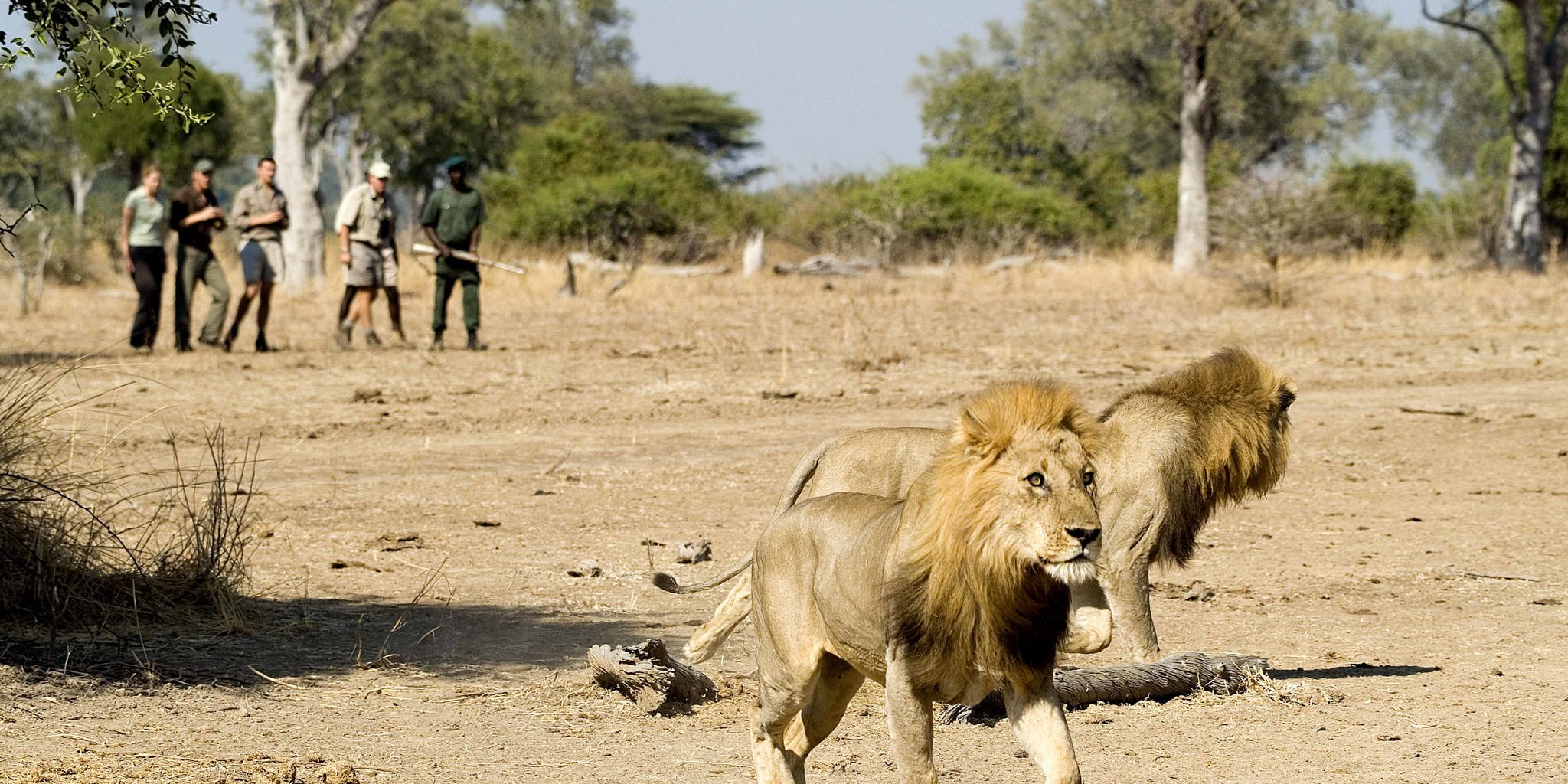
Best Safari Destinations for Walking Safaris
Discover everything you need to know about Best Safari Destinations for Walking Safaris. From wildlife and landscapes to lodges and activities, this guide cover
 Safari Comparison Articles
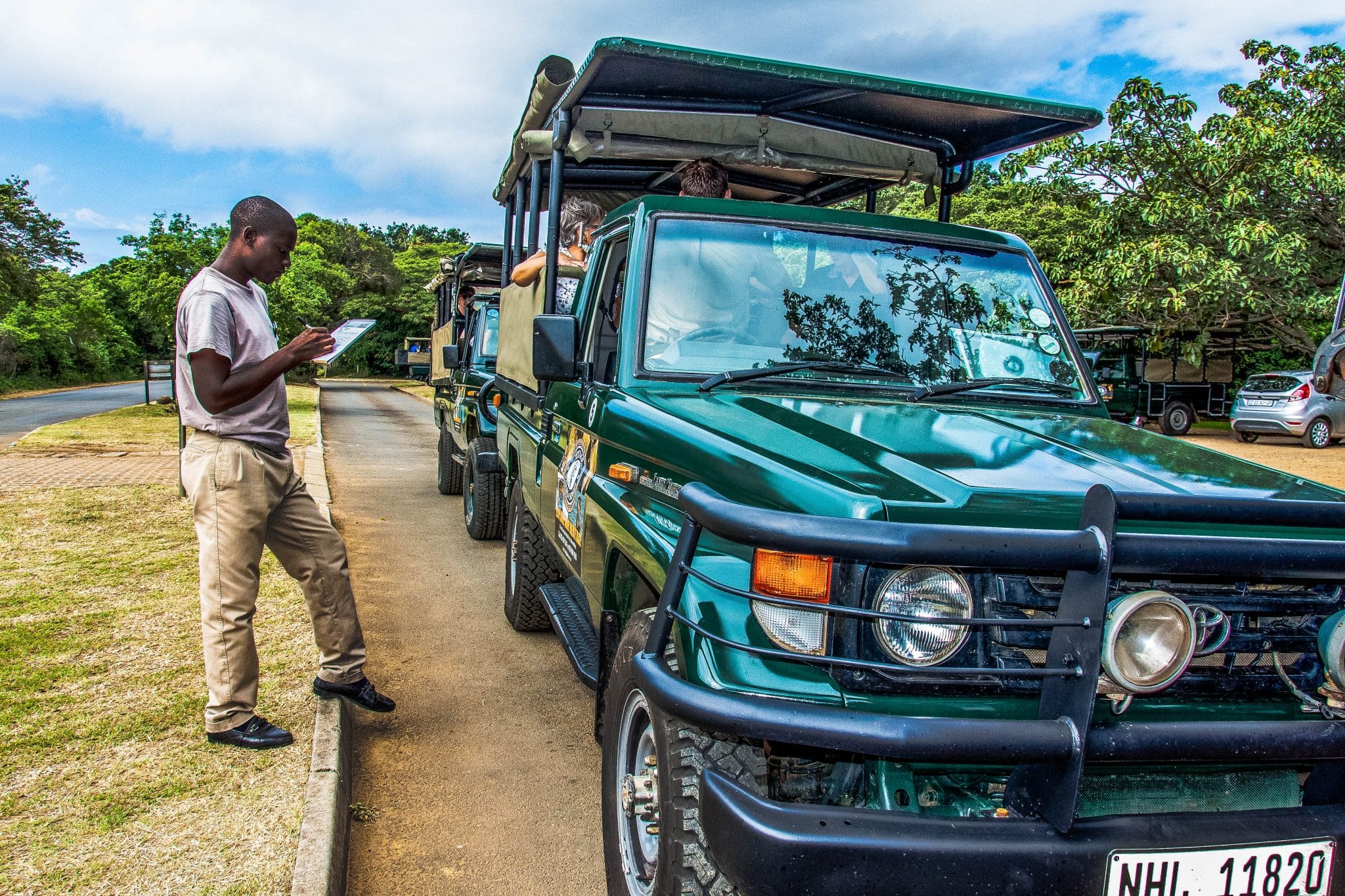
Walking Safari vs Driving Safari Comparison
An in-depth comparison of Walking Safari vs Driving Safari Comparison to help you choose the perfect safari experience. Explore the pros, cons, and key differen
 Safari Comparison Articles
Safari With International Operator vs Local Operator
An in-depth comparison of Safari With International Operator vs Local Operator to help you choose the perfect safari experience. Explore the pros, cons, and key