
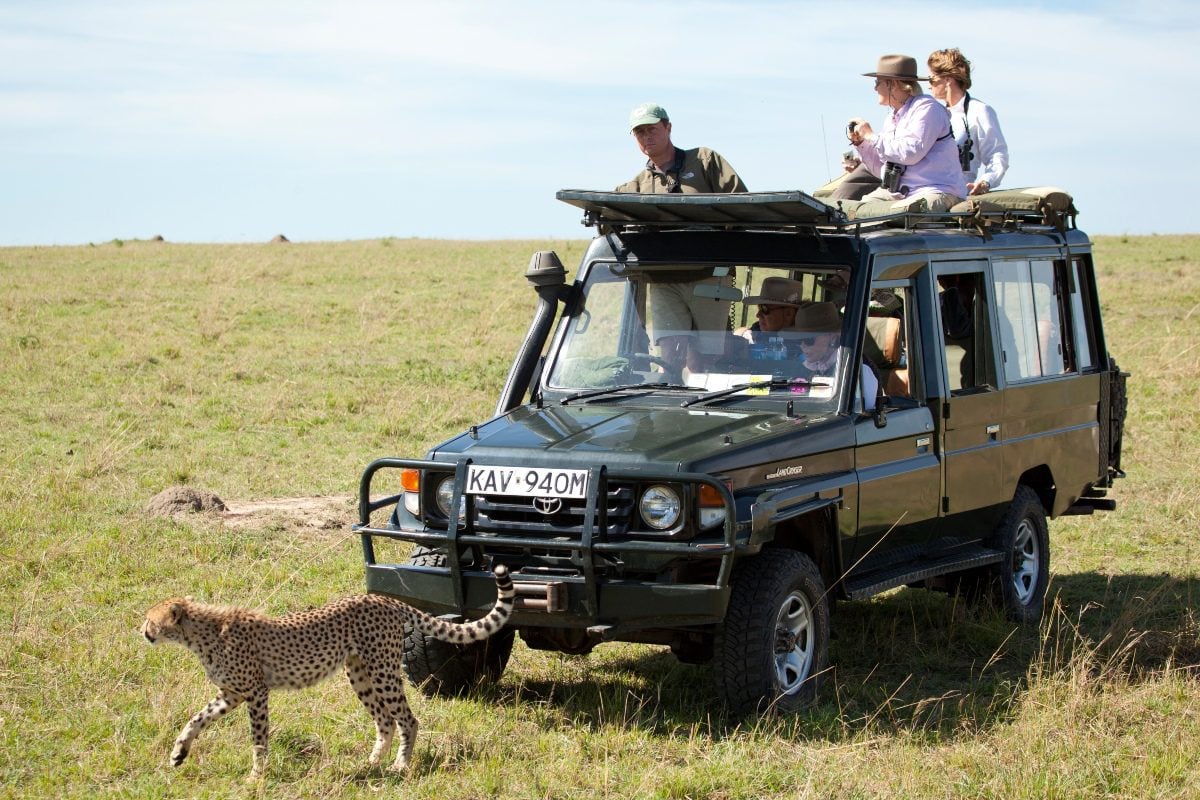
Planning a safari? Learn about how to budget for a 10-day safari. Get expert advice and insights from Safari Intelligence to plan your perfect trip.
Understanding How to Budget for a 10-Day Safari
Safari costs can vary dramatically depending on destination, accommodation level, season, and trip duration. How to Budget for a 10-Day Safari breaks down the financial aspects of safari travel so you can plan a trip that fits your budget without sacrificing quality. Knowledge is power when it comes to safari budgeting.
Price Ranges and What to Expect
African safaris range from budget-friendly camping experiences at $150-250 per person per day to ultra-luxury lodges exceeding $2,000 per person per day. Mid-range options typically fall between $400-800 per person per day and offer excellent value with comfortable accommodations and quality guiding. Understanding what's included in these prices is crucial, as most safari rates are fully inclusive of meals, activities, and park fees. Use our cost calculator for personalized estimates.
Still researching? Let us help.
Our advisory team has planned safaris across 9 African countries. We can turn your research into a real plan.
Talk to an AdvisorHidden Costs to Watch For
Beyond the headline safari price, several additional costs can catch travelers off guard. International flights, travel insurance, visa fees, vaccinations, tips for guides and camp staff, and personal purchases all add up. Internal charter flights between camps can also be significant. Budget an additional 15-25% above your core safari cost for these extras. Our detailed safari planning guides help you account for every expense.
How to Get Better Value
Several strategies can help you get more safari for your money. Traveling during shoulder season (just before or after peak season) offers good wildlife viewing at lower prices. Combining popular and lesser-known destinations can reduce costs while maintaining quality. Group departures are typically cheaper than private safaris. And booking well in advance often secures better rates at premium lodges.
Budgeting Tools and Resources
Our cost calculator provides detailed estimates based on your specific preferences. You can also browse our operator directory to compare pricing across different companies and destinations. For personalized budget advice, connect with one of our safari operators who can help optimize your itinerary for the best value.
Done Reading? Let's Build Your Safari.
Skip the guesswork. Work with an advisor who has been on the ground across East and Southern Africa.
Plan With UsCase Study: Budget for a 10-Day Mid-Range Tanzania Safari
To make these numbers tangible, let’s outline a sample budget for a 10-day mid-range safari for two people in Northern Tanzania, visiting Tarangire National Park, the Ngorongoro Crater, and the Serengeti. A mid-range safari offers a balance of comfort, quality guiding, and value, with lodge and camp stays averaging $400-$600 per person per night.
- Accommodation (8 nights): Approximately $3,200 - $4,800 per person.
- Park & Concession Fees: Around $1,200 per person for entry into all three parks.
- Private 4x4 Vehicle & Professional Guide: Roughly $3,000 for the entire trip, or $1,500 per person.
- Internal Flight (e.g., Serengeti to Arusha): Approximately $350 per person.
This brings the core safari cost to between $6,250 and $7,850 per person. Factoring in international flights, insurance, tips, and personal spending, a total budget of $8,000 to $10,000 per person is a realistic expectation for a high-quality, 10-day mid-range Tanzanian safari.
How Your Destination Choice Shapes the Budget
The country you choose has the single biggest impact on your safari budget. A 10-day safari in Botswana, for example, will cost significantly more than one in Uganda. Botswana’s model is built on high-cost, low-volume tourism, with exclusive camps in the Okavango Delta often starting at $1,500 per person per night. In contrast, destinations like Kenya and Tanzania offer a wider spectrum of options, from budget-friendly to ultra-luxury, making them more flexible for different price points.
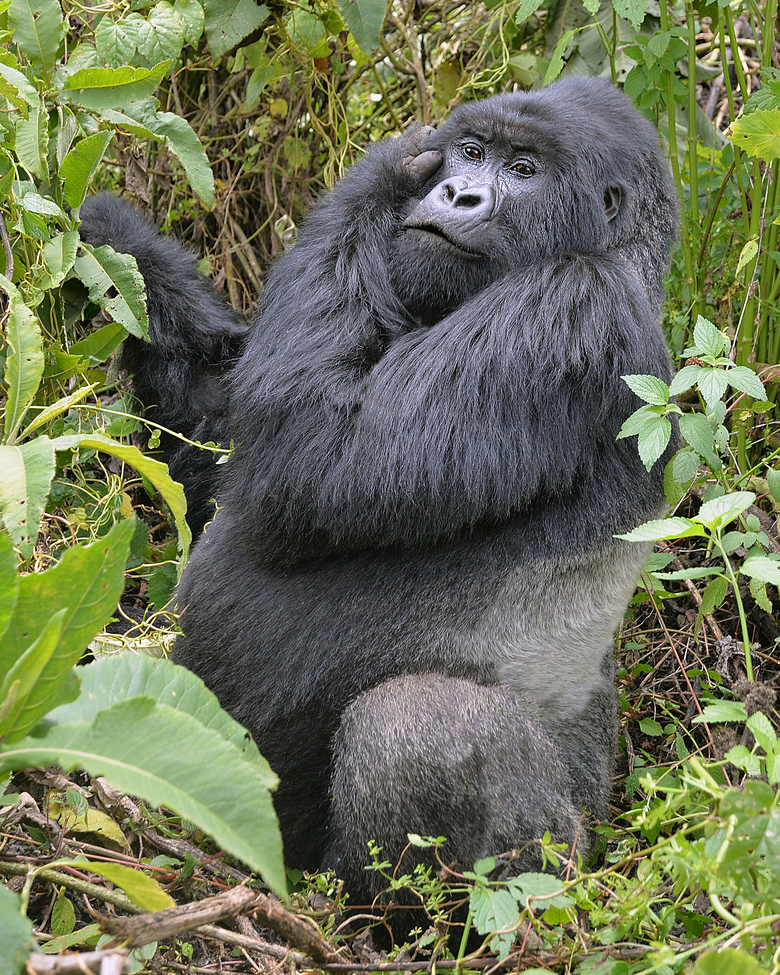
Furthermore, if your primary goal is gorilla trekking, your budget will be heavily influenced by permit fees. A gorilla permit in Rwanda costs $1,500, while a permit in Uganda is $700. This single activity can define a large portion of your trip’s cost before you even factor in accommodation and transport, illustrating why your destination and priority experiences are the foundational elements of building an accurate safari budget.
Comparing Safari Tiers: A Detailed Breakdown
Understanding the labels of "budget," "mid-range," and "luxury" is key to aligning your expectations with your safari budget. These tiers represent distinct levels of service, exclusivity, and comfort. While all can deliver incredible wildlife experiences, the nature of that experience changes significantly with cost. A budget safari might place you in the heart of the action with more rustic facilities, while a luxury trip prioritizes privacy, gourmet dining, and seamless logistics. Below is a table to help you visualize the differences and decide which tier best fits your travel style.
| Feature | Budget Safari ($250-$400/day) | Mid-Range Safari ($400-$800/day) | Luxury Safari ($800-$2,000+/day) | | :-------------------- | :------------------------------------------------------------ | :----------------------------------------------------------------------- | :---------------------------------------------------------------------------------------------- | | Accommodation | Basic camping at public sites or simple guesthouses with shared facilities. | Comfortable tented camps or lodges with private en-suite bathrooms and good amenities. | Premier tented suites or boutique lodges with private plunge pools, exceptional views, and top-tier service. | | Transport | Overland truck or shared minivan with a larger group; longer travel times on roads. | Private 4x4 vehicle with a dedicated guide; often includes some internal flights to save time. | Primarily uses scheduled or private charter flights between locations to maximize time on safari. | | Exclusivity & Guiding | Shared game drives in national parks; guide-to-guest ratio is higher. | Private or small-group game drives; access to private concessions and highly experienced guides. | Game drives in exclusive-use private reserves; access to elite guides, trackers, and specialized activities. | | Dining | Simple, hearty meals, often prepared by the guide or a camp cook. | High-quality, three-course meals with a selection of included drinks. | Gourmet cuisine with premium wine lists, private dining options, and highly personalized service. |
Sample Budget: 10-Day Value Safari in South Africa
For a different perspective, let's create a sample budget for a 10-day value-oriented safari in South Africa's Greater Kruger region. This area is renowned for offering some of the best value on the continent, with outstanding wildlife viewing in private reserves that share unfenced borders with Kruger National Park. This model often includes full-board lodging and game drives, providing a high-quality experience for less than a comparable safari in East Africa or Botswana.
Here is a sample budget for two people focusing on value and quality:
- Accommodation (6 nights in a private reserve): Lodges like Shindzela Tented Camp or Gomo Gomo Game Lodge offer excellent value, averaging around $300-$450 per person per night. Total: $1,800 - $2,700 per person.
- Panorama Route & Travel (3 nights): Self-driving from Johannesburg (JNB) is a popular and cost-effective option. Budget for a rental car ($400 for 10 days) and guesthouses along the scenic Panorama Route ($150/night). Total: ~$425 per person.
- Conservation & Park Fees: Lower than in many East African parks, typically around $75 per person per day. Total: ~$450 per person.
- Internal Flight (e.g., Hoedspruit to Cape Town): If extending your trip, a flight from the Kruger area costs around $150 per person.
This brings the core South African safari cost to between $2,675 and $3,575 per person. Even after adding international flights and extras, a total budget of $4,500 to $6,000 per person is achievable, demonstrating the exceptional value available. For more ideas, explore our destination guides or connect with our safari operators to build a custom itinerary.
Mastering the "Extra" Costs
An accurate budget accounts for everything. The "extras" are not optional—they are essential components of your trip's total cost. Here’s a more detailed look:
- Tipping: Tipping is a universal practice on safari to show appreciation for excellent service. For your primary guide, budget $15-$20 per guest per day. For the general camp staff (chefs, housekeepers, waiters), budget another $15-$20 per guest per day to be placed in a communal tip box. For a 10-day safari, this amounts to approximately $300-$400 per person.
- Travel Insurance: Comprehensive travel insurance is non-negotiable. It should include emergency medical evacuation, trip cancellation, and curtailment coverage. Expect to pay between 5% and 8% of your total trip cost, typically ranging from $400 to $800 per person for a $10,000 trip.
- Visa Fees: Depending on your nationality and destination, visa costs can range from $30 to $100 per person. Always check the latest requirements for each country on your itinerary, as some require e-visas to be obtained in advance.
Need Expert Safari Guidance?
Get expert advisory support from a firm founded by a former safari guide — with real operational knowledge across 9 African countries and full-journey accountability.
Related Planning Guides
Recommended Reading
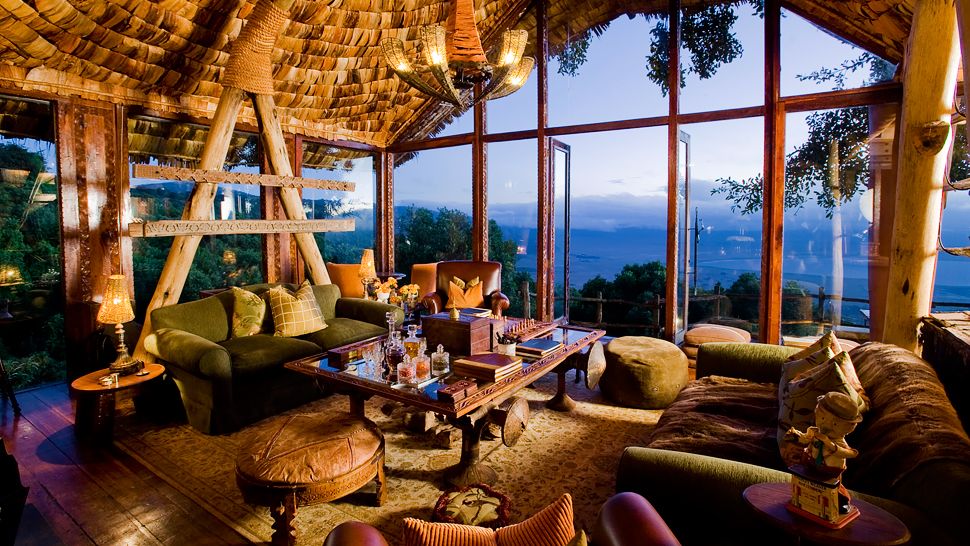 Safari Cost Guides
Safari Clothing and Gear Budget
Planning a safari? Learn about safari clothing and gear budget. Get expert advice and insights from Safari Intelligence to plan your perfect trip.
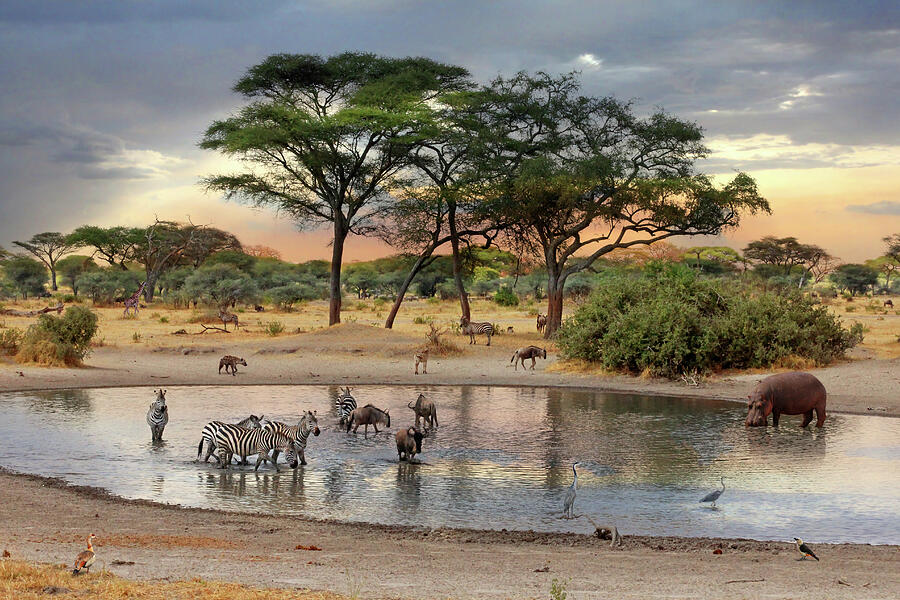 Safari Cost Guides
How to Budget for a 5-Day Safari
Planning a safari? Learn about how to budget for a 5-day safari. Get expert advice and insights from Safari Intelligence to plan your perfect trip.
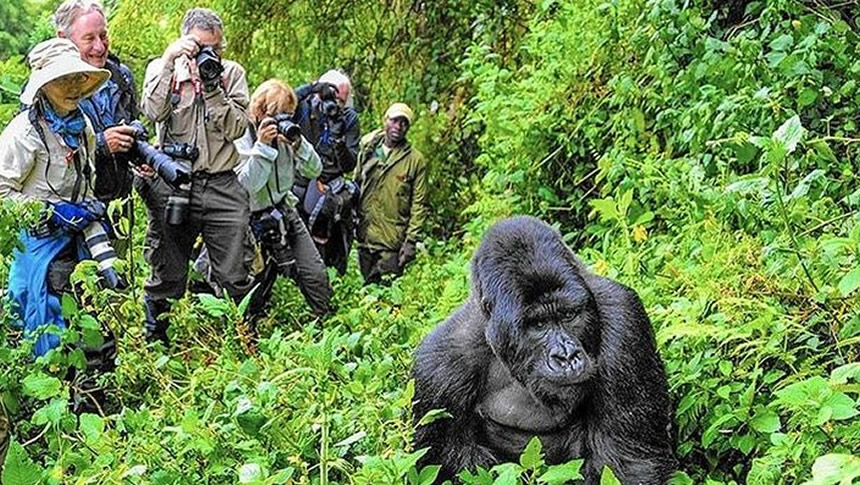 Safari Cost Guides
How to Budget for a 7-Day Safari
Planning a safari? Learn about how to budget for a 7-day safari. Get expert advice and insights from Safari Intelligence to plan your perfect trip.
 Safari Costs
Budget Safari vs Luxury Safari Costs
Discover the key cost differences between budget and luxury safaris, from accommodation and guiding to game drives and locations, to choose the right trip for you.
 Safari Planning Guides
Safari Planning Guide for Budget Travelers
Discover how to plan your dream safari with our expert guide on Safari Planning Guide for Budget Travelers. Get tips on destinations, costs, and more.
 Safari Comparison Articles
Budget Safari vs Mid-Range Safari
An in-depth comparison of Budget Safari vs Mid-Range Safari to help you choose the perfect safari experience. Explore the pros, cons, and key differences to mak