
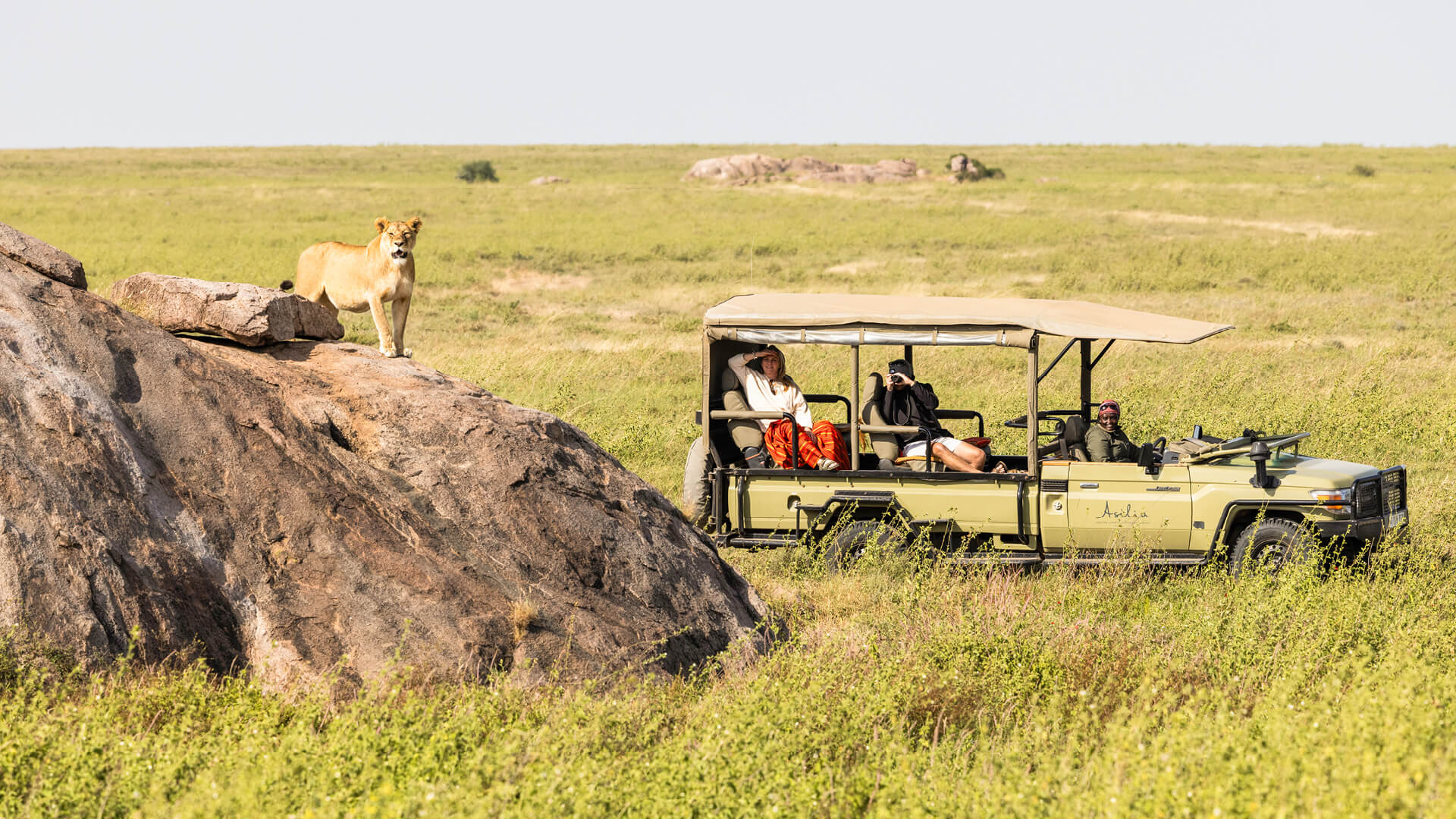
Planning a safari? Learn about safari binocular and gear costs. Get expert advice and insights from Safari Intelligence to plan your perfect trip.
The Importance of Binoculars
A good pair of binoculars is an essential piece of safari gear. They will bring the wildlife up close and allow you to see details you would otherwise miss. While your guide will have a pair, having your own means you can look whenever you want and for as long as you want. Our knowledge center has a guide on choosing the right binoculars.
Binocular Specifications and Costs
Binoculars are described by two numbers, such as 8x42 or 10x42. The first number is the magnification, and the second is the diameter of the objective lens in millimeters. For safaris, 8x42 or 10x42 are generally recommended. A decent pair of binoculars can cost anywhere from $100 to over $1,000. It is worth investing in a good pair for a better viewing experience. Our safari operators can offer recommendations.
Still researching? Let us help.
Our advisory team has planned safaris across 9 African countries. We can turn your research into a real plan.
Talk to an AdvisorOther Essential Gear
In addition to binoculars, other useful gear includes a good field guide to the birds and mammals of the region, a headlamp or flashlight for navigating your camp at night, and a universal power adapter for charging your electronics. These items are not necessarily expensive but are important for a comfortable and enjoyable safari. For a full packing list, visit our destinations page.
Deeper Dive: Understanding Binocular Specifications
When you see a pair of binoculars described as 8x42 or 10x50, those numbers represent the core of their performance. The first number is the magnification power, and the second is the diameter of the objective lens in millimeters. For a safari, understanding these is crucial for selecting the right tool for the job.
- Magnification (e.g., 8x or 10x): An 8x magnification makes an animal appear eight times closer than with your naked eye. While more power might seem better, there's a trade-off. Higher magnification amplifies hand-shake, making the image jittery, and it narrows your field of view, which can make it harder to spot and track moving animals. For general game viewing on the open plains of the Serengeti or Maasai Mara, 8x or 10x is the ideal range.
- Objective Lens Diameter (e.g., 42mm): The larger this number, the more light the binoculars can gather. This is critically important during the 'golden hours' of dawn and dusk when predators are most active but light is low. A larger lens (e.g., 50mm) provides a brighter image but is also heavier and bulkier. A 42mm objective lens is widely considered the perfect compromise for a safari, offering excellent light-gathering capabilities without being too cumbersome to carry all day.
> Traveler's Tip: For most travelers, a pair of 8x42 binoculars offers the best all-around performance for a safari. They provide a wide field of view, a stable image, and excellent brightness for those unforgettable sunrise and sunset sightings. Our safari operators can provide personalized recommendations based on your specific itinerary.
Cost Tiers for Safari Binoculars
Binocular prices can range from under $100 to over $3,000. The cost is largely determined by the quality of the glass, the lens coatings, and the build quality. Here’s a breakdown of what to expect at different price points:
- Entry-Level ($150 - $350): Brands like Nikon, Celestron, and Bushnell offer excellent entry-level options. While they may not have the same level of optical clarity or low-light performance as premium models, a good pair in this range is more than adequate for most safari-goers and a massive step up from having no binoculars at all.
- Mid-Range ($400 - $1,000): This is the sweet spot for serious wildlife enthusiasts. Brands like Vortex, Zeiss (Conquest series), and Leica (Trinovid series) dominate this category. You can expect superior image quality, better durability, and significantly improved performance in low light. If you plan on future wildlife trips, investing in a mid-range pair is a wise decision.
- Premium-Tier ($1,500+): At the top end, you have the flagship models from Swarovski, Leica, and Zeiss. These offer unparalleled optical perfection, with edge-to-edge sharpness, incredible brightness, and flawless color rendition. For avid birders or professional photographers, the investment can be worthwhile, but for most travelers, it's a luxury rather than a necessity.
Done Reading? Let's Build Your Safari.
Skip the guesswork. Work with an advisor who has been on the ground across East and Southern Africa.
Plan With UsRenting vs. Buying Binoculars
If you don't own binoculars and are hesitant to purchase a pair for a single trip, many safari lodges and operators offer rental options.
- Renting: Expect to pay between $10 to $25 per day. The primary advantage is convenience. However, the quality can be inconsistent, and you may be stuck with a lower-quality or poorly maintained pair. Always inquire with your operator in advance about the quality and availability of their rental gear.
- Buying: Purchasing your own pair, even an entry-level model, ensures you have a quality, reliable tool that you are familiar with. It's an investment that will enhance not just your safari, but any future outdoor adventures. For more guidance, our knowledge center has in-depth articles on gear selection.
Beyond Binoculars: Essential Photography Gear Costs
For many, photography is a huge part of the safari experience. While a smartphone can capture decent shots, a dedicated camera with a good telephoto lens is essential for frame-filling wildlife portraits.
- Camera Body ($500 - $2,000+): A modern mirrorless or DSLR camera with good autofocus and low-light capabilities is ideal. Entry-level models are very capable, while professional bodies offer faster performance and more robust weather sealing.
- Telephoto Lens ($800 - $5,000+): This is the most critical piece of safari photography gear. A lens with a focal length of at least 400mm is recommended to get close-up shots of distant animals. Lens rental is a popular option here, as high-quality telephoto lenses are expensive.
- Essential Accessories: Don't forget extra batteries ($50-$100 each), multiple high-capacity memory cards ($50-$150), and a dust-proof camera bag ($100-$300). A beanbag for stabilizing your camera on the vehicle is a must-have and can be purchased in Africa or made at home.
Planning your gear budget is a key step in preparing for your adventure. Our cost calculator can help you estimate your overall trip expenses, and our team is always ready to help you plan your safari with expert advice tailored to your goals.
Need Expert Safari Guidance?
Get expert advisory support from a firm founded by a former safari guide — with real operational knowledge across 9 African countries and full-journey accountability.
Related Planning Guides
Recommended Reading
 Safari Cost Guides
Safari Lodge Costs by Country Comparison
Planning a safari? Learn about safari lodge costs by country comparison. Get expert advice and insights from Safari Intelligence to plan your perfect trip.
 Safari Cost Guides
Safari Camp Costs by Country Comparison
Planning a safari? Learn about safari camp costs by country comparison. Get expert advice and insights from Safari Intelligence to plan your perfect trip.
 Safari Cost Guides
Safari Flight Costs Within Africa
Planning a safari? Learn about safari flight costs within africa. Get expert advice and insights from Safari Intelligence to plan your perfect trip.
 Safari Costs
Budget Safari vs Luxury Safari Costs
Discover the key cost differences between budget and luxury safaris, from accommodation and guiding to game drives and locations, to choose the right trip for you.
 Safari Costs
Hidden Safari Costs Travelers Should Know
Discover the hidden costs of an African safari. Our guide covers unexpected expenses like flights, visas, tips, and optional activities to help you budget.
 Safari Costs
Lodge Pricing vs Mobile Safari Costs
Explore the cost differences between safari lodges and mobile safaris. This guide compares pricing, value, and experiences to help you choose the right safari.