
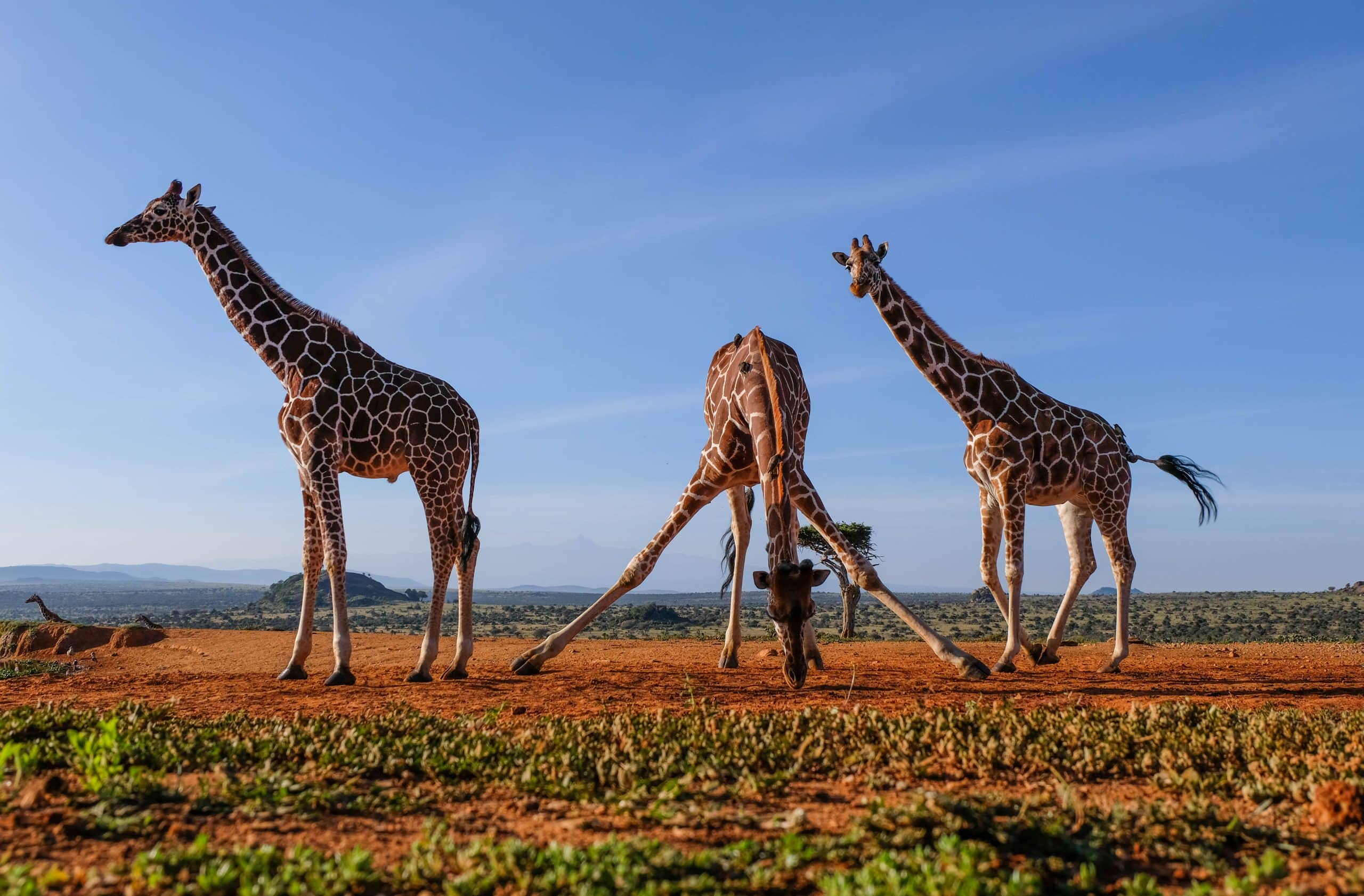
Discover the essentials of luxury safari design and architecture for an unforgettable African safari adventure.
Luxury Safari Design and Architecture
One of the most common questions we receive from safari travelers relates to luxury safari design and architecture. After helping hundreds of travelers plan their African adventures, we have compiled this detailed resource to address every aspect of this important topic.
Practical Planning Steps
Step three is creating a detailed plan that accounts for all aspects of luxury safari design and architecture. This should include timelines, budgets, backup options, and contingency plans. The most successful safari travelers are those who plan thoroughly while remaining flexible enough to adapt to changing conditions.
Step two involves researching your options thoroughly. Compare different destinations, operators, and approaches to luxury safari design and architecture. Read reviews from verified travelers, consult with safari operators, and cross-reference information from multiple sources.
Still researching? Let us help.
Our advisory team has planned safaris across 9 African countries. We can turn your research into a real plan.
Talk to an AdvisorRegional Considerations Across Africa: Luxury Safari Design and Architecture
Central and West African destinations, including Uganda, Rwanda, and the Congo, offer specialized experiences like gorilla trekking that bring their own set of requirements. These destinations often involve more challenging terrain and different logistical considerations compared to the classic savanna safari.
Southern Africa presents a different landscape for luxury safari design and architecture. Countries like Botswana, South Africa, Namibia, and Zimbabwe each have established infrastructure and practices that reflect their unique environments. The Okavango Delta, for instance, requires water-based considerations that land-based safaris in Kruger National Park do not.
East African safaris, particularly in Kenya and Tanzania, have their own distinct approach to luxury safari design and architecture. The Serengeti-Mara ecosystem, which hosts the Great Migration, requires specific planning considerations that differ from destinations like Amboseli or Ngorongoro. Understanding these regional differences is crucial for optimizing your experience.
Common Mistakes to Avoid: Luxury Safari Design and Architecture
Underestimating the importance of luxury safari design and architecture is perhaps the biggest mistake of all. Travelers who give this aspect of their safari proper attention consistently report more satisfying experiences than those who treat it as an afterthought.
Another common error is relying solely on online reviews without consulting experienced professionals. While traveler reviews provide valuable perspectives, they often lack the context and expertise that a qualified safari planning guide can offer. The best approach combines both sources of information.
One of the most frequent mistakes travelers make with luxury safari design and architecture is waiting too long to start planning. Popular safari destinations and lodges book up months in advance, especially during peak season. Last-minute planning often results in limited options and higher costs.
Expert Recommendations: Luxury Safari Design and Architecture
Working with a qualified safari planning guide can significantly improve your experience with luxury safari design and architecture. Advisors who have personal experience in your chosen destinations can provide insights that no guidebook or website can match. They understand the subtle differences between properties, the best times to visit specific areas, and how to structure an itinerary that maximizes your time.
Budget considerations play an important role in luxury safari design and architecture. While it is tempting to cut corners, experienced travelers consistently report that investing in quality where it matters most leads to significantly better outcomes. The key is knowing where to allocate your budget for maximum impact.
Done Reading? Let's Build Your Safari.
Skip the guesswork. Work with an advisor who has been on the ground across East and Southern Africa.
Plan With UsUnderstanding the Fundamentals
The foundation of luxury safari design and architecture begins with understanding the basic principles. Safari environments across Africa present unique conditions that differ significantly from what most travelers are accustomed to. In East Africa, the vast savannas of Kenya and Tanzania create one set of considerations, while the dense forests of Uganda and Rwanda present entirely different challenges. Southern African destinations like Botswana and South Africa add yet another dimension.
Experienced safari operators emphasize that preparation is the single most important factor in luxury safari design and architecture. This means doing your research well in advance, consulting with knowledgeable advisors, and being willing to adapt your plans based on current conditions. The best safari experiences come from travelers who approach their journey with both enthusiasm and informed flexibility.
Related Resources
For more information on planning your safari, explore our destination guides, browse the safari operator directory, or connect with an experienced safari planning guide for personalized guidance.
Case Study: The Rise of Biophilic Design at Lolebezi Lodge
A prime example of the shift towards biophilic design is Lolebezi Lodge in Zambia's Lower Zambezi National Park. The lodge's architecture, designed by Jack Alexander, is a masterclass in blending luxury with the natural environment. The suites are aligned with the sunrise and sunset, maximizing natural light and offering stunning views of the Zambezi River. The entire structure is built on raised platforms to accommodate the seasonal floodwaters, a design choice that respects the natural rhythms of the ecosystem.
Inside, the lodge is adorned with imfabinga beads, wooden discs, and copper plates, paying homage to local Zambian crafts and the country's mining heritage. This approach creates a seamless connection between the lodge and its surroundings, offering guests an immersive experience that goes beyond traditional luxury. For travelers interested in sustainable and culturally sensitive travel, exploring destinations that feature such lodges is a must.
> Expert Insight: When choosing a luxury safari lodge, look for details that reflect the local culture and environment. A truly exceptional lodge will not only provide comfort but also tell a story about the place it inhabits. Don't hesitate to ask your safari operators for recommendations on lodges that excel in this regard.
Integrating Local Art and Craftsmanship
Another significant trend in luxury safari design is the integration of local art and craftsmanship. Lodges like Singita and Xigera Safari Lodge are at the forefront of this movement, transforming their spaces into living galleries of African creativity. Singita has even established dedicated art galleries at its Kruger National Park and Sabi Sand properties, showcasing contemporary African artists and channeling a portion of the sales to support local community development.
At Molori Safari in South Africa's Madikwe Game Reserve, designer Andrea Kleinloog collaborated with celebrated South African artists to create bespoke rugs that serve as the centerpiece of each suite. This innovative approach not only adds a unique aesthetic to the lodge but also provides a platform for local artists to reach a global audience. This focus on art and culture adds a new dimension to the safari experience, allowing travelers to connect with the region on a deeper level.
The Evolution of Color: Beyond Khaki
The days of safari lodges being a sea of khaki are long gone. Visionary designers like Liz Biden of The Royal Portfolio are infusing their properties with vibrant colors inspired by the African bush. Waterside at Royal Malewane, near Kruger National Park, is a testament to this new direction. The lodge's design incorporates the electric blue of the malachite kingfisher, the dusty pink of the impala lily, and the burnt orange of the Lebombo aloe.
This bold use of color creates a joyful and uplifting atmosphere, a far cry from the muted tones of traditional safari lodges. It's a celebration of Africa's natural beauty and a reflection of the continent's vibrant spirit. For more design inspiration and to see how color can transform a space, visit our knowledge center.
Sustainability as the Ultimate Luxury
In the world of luxury safari travel, sustainability is no longer an afterthought but a cornerstone of exceptional design. The most forward-thinking lodges are incorporating sustainable practices into every aspect of their operations, from construction to daily management. This includes the use of locally sourced, sustainable materials, the installation of solar power systems, and the implementation of sophisticated water conservation and waste management programs.
By choosing a lodge that prioritizes sustainability, you are not only enjoying a world-class safari experience but also contributing to the conservation of Africa's precious wildlife and the empowerment of its local communities. To understand the potential costs and value of such a trip, our cost calculator can be a useful tool. When you are ready to take the next step, you can plan your safari with our expert team.
Need Expert Safari Guidance?
Get expert advisory support from a firm founded by a former safari guide — with real operational knowledge across 9 African countries and full-journey accountability.
Related Planning Guides
Recommended Reading
 Luxury Safari Content
Luxury Safari Interior Design Trends
Discover the essentials of luxury safari interior design trends for an unforgettable African safari adventure.
 Luxury Safari Content
Luxury Safari Pool and Deck Designs
Discover the essentials of luxury safari pool and deck designs for an unforgettable African safari adventure.
 Luxury Safari Content
Luxury Safari Bathroom and Shower Designs
Discover the essentials of luxury safari bathroom and shower designs for an unforgettable African safari adventure.
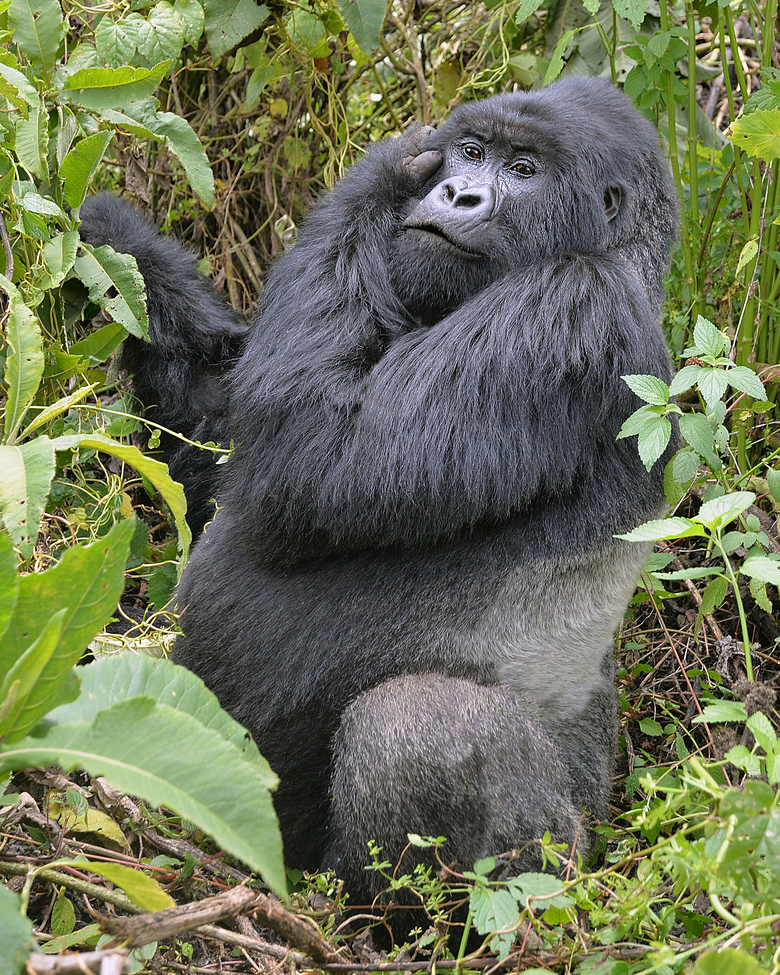 Safari Costs
Budget Safari vs Luxury Safari Costs
Discover the key cost differences between budget and luxury safaris, from accommodation and guiding to game drives and locations, to choose the right trip for you.
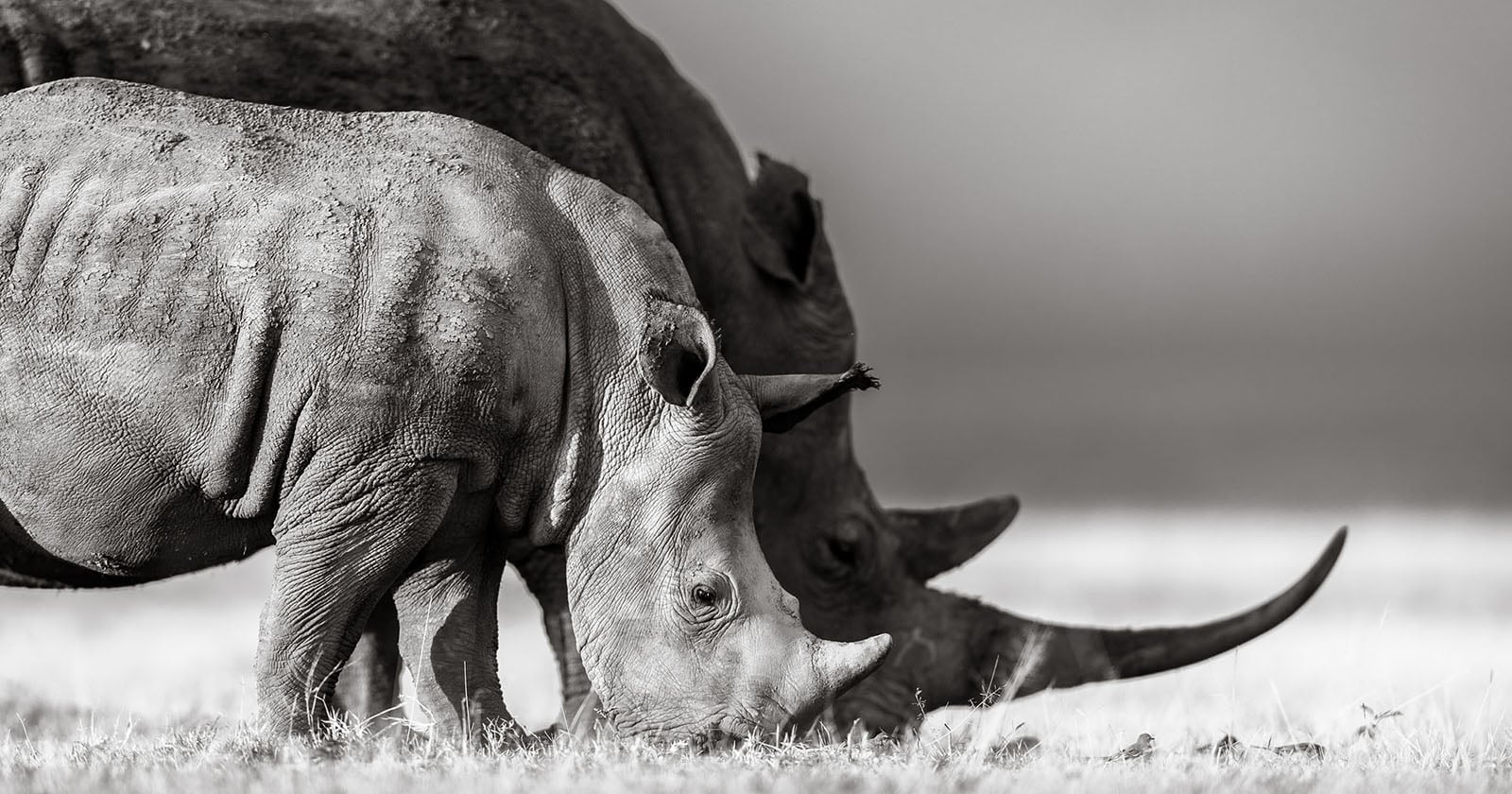 Luxury Safaris
What Is a Luxury African Safari
Discover what defines a luxury African safari, from exclusive lodges and private guides to unique wildlife encounters. Plan your ultimate safari adventure.
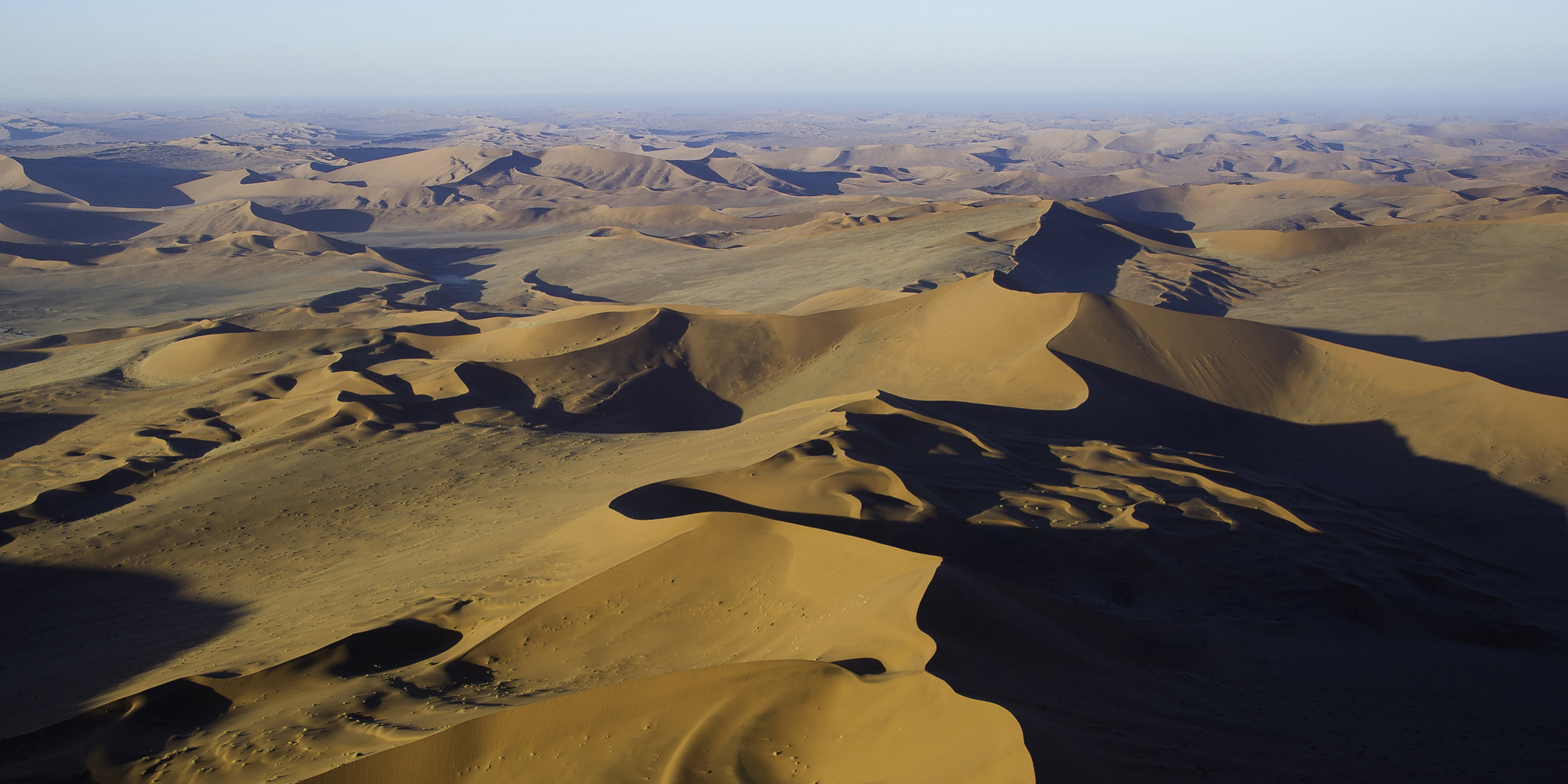 Luxury Safaris
Top Luxury Safari Lodges in Africa
Discover the top luxury safari lodges in Africa. Our expert guide reviews the best lodges in Kenya, Tanzania, Botswana, and more for your dream safari.