
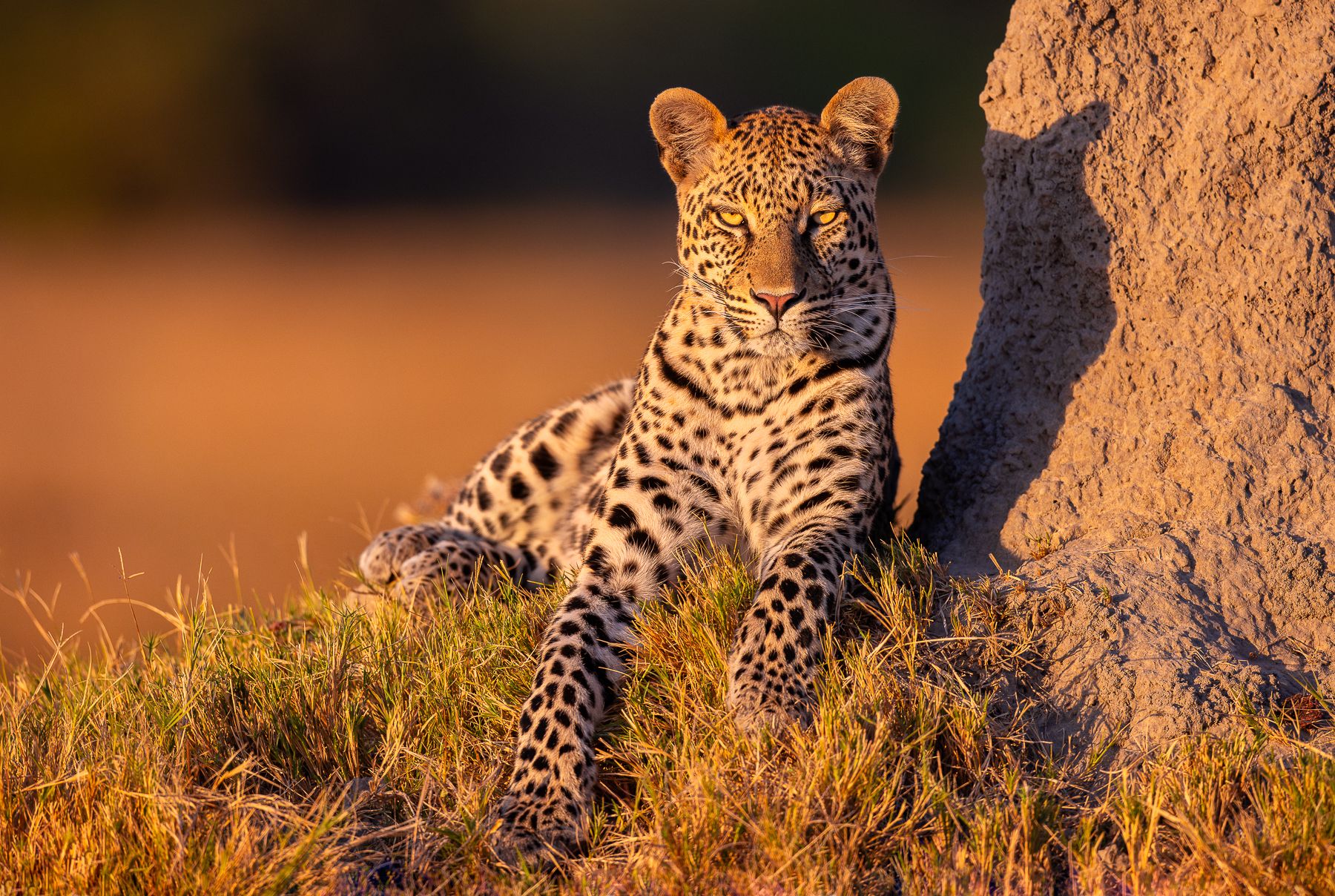
A comprehensive guide to Luxury Safari Conservation Experiences. Learn everything you need to know for your safari adventure.
Luxury Safari Conservation Experiences
Africa offers some of the most incredible wildlife experiences on Earth, and getting luxury safari conservation experiences right is essential to making the most of your journey. Here is what experienced safari guides and advisors recommend.
Safety and Health Considerations
Safety is paramount when it comes to luxury safari conservation experiences on safari. Reputable operators maintain strict safety protocols and employ experienced guides who are trained to handle a wide range of situations. Always verify that your chosen operator has proper licensing, insurance, and safety certifications.
Travel insurance that specifically covers safari activities is strongly recommended. Standard travel insurance policies may not cover all the activities and situations you might encounter on an African safari. Ensure your policy covers medical evacuation, trip cancellation, and activity-specific risks.
Still researching? Let us help.
Our advisory team has planned safaris across 9 African countries. We can turn your research into a real plan.
Talk to an AdvisorPractical Planning Steps: Luxury Safari Conservation Experiences
Step two involves researching your options thoroughly. Compare different destinations, operators, and approaches to luxury safari conservation experiences. Read reviews from verified travelers, consult with safari operators, and cross-reference information from multiple sources.
Step three is creating a detailed plan that accounts for all aspects of luxury safari conservation experiences. This should include timelines, budgets, backup options, and contingency plans. The most successful safari travelers are those who plan thoroughly while remaining flexible enough to adapt to changing conditions.
Step one in addressing luxury safari conservation experiences is to clearly define your priorities and expectations. Are you focused on specific wildlife sightings, cultural experiences, photography opportunities, or a combination? Your answer will shape every subsequent decision.
Regional Considerations Across Africa: Luxury Safari Conservation Experiences
Southern Africa presents a different landscape for luxury safari conservation experiences. Countries like Botswana, South Africa, Namibia, and Zimbabwe each have established infrastructure and practices that reflect their unique environments. The Okavango Delta, for instance, requires water-based considerations that land-based safaris in Kruger National Park do not.
East African safaris, particularly in Kenya and Tanzania, have their own distinct approach to luxury safari conservation experiences. The Serengeti-Mara ecosystem, which hosts the Great Migration, requires specific planning considerations that differ from destinations like Amboseli or Ngorongoro. Understanding these regional differences is crucial for optimizing your experience.
Central and West African destinations, including Uganda, Rwanda, and the Congo, offer specialized experiences like gorilla trekking that bring their own set of requirements. These destinations often involve more challenging terrain and different logistical considerations compared to the classic savanna safari.
Common Mistakes to Avoid
One of the most frequent mistakes travelers make with luxury safari conservation experiences is waiting too long to start planning. Popular safari destinations and lodges book up months in advance, especially during peak season. Last-minute planning often results in limited options and higher costs.
Another common error is relying solely on online reviews without consulting experienced professionals. While traveler reviews provide valuable perspectives, they often lack the context and expertise that a qualified safari planning guide can offer. The best approach combines both sources of information.
Done Reading? Let's Build Your Safari.
Skip the guesswork. Work with an advisor who has been on the ground across East and Southern Africa.
Plan With UsA Deeper Look: What Conservation-Focused Luxury Means
True luxury safari conservation experiences extend beyond simply visiting a wildlife area. They involve actively contributing to the long-term protection of the ecosystem and the well-being of local communities. Forward-thinking safari operators now integrate conservation into the core of their guest experience, offering a more meaningful and impactful journey. This means your travel investment directly supports anti-poaching patrols, wildlife research, habitat restoration, and community empowerment projects that create a sustainable future for both people and wildlife. When choosing an operator, look for those who are transparent about their conservation funding, partner with local communities, and can demonstrate a measurable positive impact on the environment. This ensures your safari is not just a vacation, but a contribution to lasting conservation.
Case Study: Singita's Grumeti Fund in Tanzania
A prime example of this integrated approach is the Grumeti Fund in Tanzania, which works in partnership with the luxury safari operator Singita. Operating in the western corridor of the Serengeti ecosystem, this non-profit organization manages the 350,000-acre Grumeti Reserve. Guests staying at Singita's lodges in the area, such as Sasakwa Lodge or Faru Faru Lodge, are not just visitors; they are patrons of a vast conservation project.
The Grumeti Fund's work includes:
- Anti-Poaching: Employing over 100 dedicated game scouts who conduct daily patrols to combat illegal hunting and protect species like the critically endangered black rhino.
- Community Outreach: Investing in local education, enterprise development, and healthcare, ensuring that communities living alongside the reserve benefit directly from tourism. This creates a powerful incentive for local people to support conservation efforts.
- Wildlife Monitoring: Utilizing advanced technology and dedicated research teams to monitor wildlife populations, track animal movements, and manage the ecosystem's health.
Guests at Singita can visit the anti-poaching observation post, meet the team, and learn firsthand about the challenges and successes of their work. This provides a powerful, tangible connection to the conservation impact of their safari.
Related Resources
For more information on planning your safari, explore our destination guides, browse the safari operator directory, or connect with an experienced safari planning guide for personalized guidance.
Pioneering Conservation Lodges Across Africa
While Singita's work in Tanzania is a benchmark for conservation-led tourism, several other properties across the continent offer equally compelling models where luxury travel directly fuels significant environmental and community projects. These lodges provide more than just a spectacular vacation; they offer a chance to become part of a larger conservation story.
Great Plains Conservation: Rhino Relocation in Botswana
In Southern Africa, Great Plains Conservation, co-founded by renowned filmmakers and conservationists Dereck and Beverly Joubert, has been instrumental in one of the most ambitious conservation projects of the last decade: Rhinos Without Borders. This initiative involves relocating rhinos from high-risk poaching areas in South Africa to the relative safety of Botswana's wilderness. Guests staying at their luxury camps, such as Duba Plains Camp in the Okavango Delta, contribute directly to this costly and complex undertaking.
- The Conservation Work: The project funds the capture, transport, and release of rhinos, fitting them with tracking devices to ensure their ongoing safety. An expert anti-poaching team constantly monitors the animals. The goal is to establish a new, viable breeding population of rhinos away from the intense poaching pressure elsewhere.
- The Guest Experience: While sightings of the newly relocated rhinos are carefully managed to protect the animals, guests at Duba Plains (with rates starting around $2,500 per person, per night) engage with the project through presentations by resident conservationists. The knowledge that your stay is helping to secure the future for an entire species adds a profound dimension to the safari experience. You are not just observing wildlife; you are actively protecting it.
Wilderness Safaris Bisate Lodge: Reforestation in Rwanda
In the mountains of Rwanda, adjacent to Volcanoes National Park, Bisate Lodge by Wilderness Safaris represents a groundbreaking approach to conservation. The lodge is built on a site that was previously farmland, and its primary mission is to reforest the area with indigenous trees, effectively extending the natural habitat for endangered mountain gorillas.
- The Conservation Work: Since its opening, Bisate has planted tens of thousands of native trees, with a goal of creating a thriving forest corridor. The project is a partnership with the local community, many of whom work at the lodge or help in the tree nursery. This provides a direct economic incentive for conservation.
- The Guest Experience: Every guest at Bisate Lodge (rates from approximately $1,750 per person, per night) is invited to participate in the reforestation project by planting a sapling. This simple act creates a tangible, lasting connection to the place. Before or after a life-changing gorilla trek, guests can walk through the regenerating forest with the lodge's agronomist and see the direct impact of their contribution. It transforms the gorilla trekking experience from a standalone activity into part of a larger ecological restoration effort.
Comparing Luxury Conservation Models
To help you choose an experience that aligns with your interests, this table compares the different approaches to conservation-focused luxury safaris.
| Lodge / Operator | Location | Key Conservation Focus | Guest Involvement | Indicative Price (per person/night) | | --------------------------------- | ----------------------------- | ---------------------------------------------------- | ------------------------------------------------------- | ----------------------------------- | | Singita Grumeti | Serengeti, Tanzania | Anti-poaching, community outreach, wildlife research | Visit anti-poaching posts, meet research teams | $2,000 - $3,500+ | | Great Plains Conservation | Okavango Delta, Botswana | Rhino translocation and protection | Expert talks, potential for tracked rhino sightings | $2,500 - $4,000+ | | Wilderness Safaris Bisate Lodge | Volcanoes Nat'l Park, Rwanda | Reforestation and habitat restoration | Plant a tree, tour the nursery, community interaction | $1,750 - $2,500+ |
Choosing a safari with a deep conservation ethos ensures your journey leaves a positive and lasting legacy. For more help finding the right fit, consult our destination guides or speak with one of our expert safari operators.
Need Expert Safari Guidance?
Get expert advisory support from a firm founded by a former safari guide — with real operational knowledge across 9 African countries and full-journey accountability.
Related Planning Guides
Recommended Reading
 Luxury Safari Content
Luxury Safari Private Guide Experiences
A comprehensive guide to Luxury Safari Private Guide Experiences. Learn everything you need to know for your safari adventure.
 Luxury Safari Content
What Defines a Luxury Safari Experience
A comprehensive guide to What Defines a Luxury Safari Experience. Learn everything you need to know for your safari adventure.
 Luxury Safari Content
Luxury Safari Dining Experiences
A comprehensive guide to Luxury Safari Dining Experiences. Learn everything you need to know for your safari adventure.
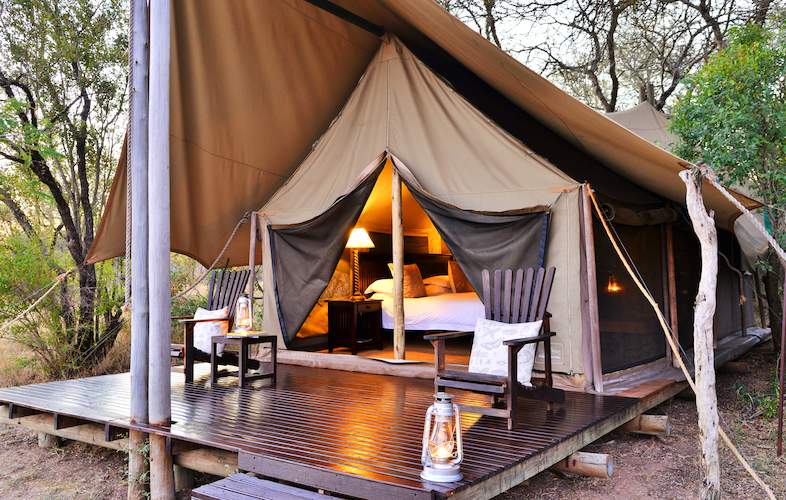 Luxury Safaris
Private Luxury Safari Experiences
Discover the world of private luxury safaris. Our guide explains the benefits of exclusive-use properties, private guides, and tailor-made itineraries.
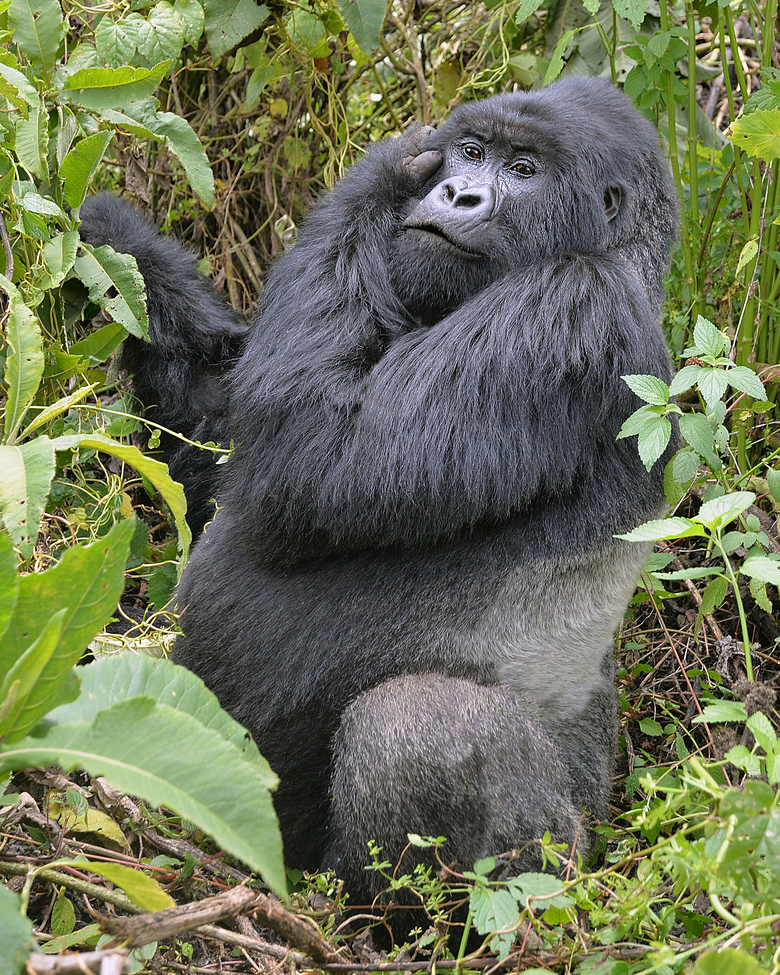 Safari Costs
Budget Safari vs Luxury Safari Costs
Discover the key cost differences between budget and luxury safaris, from accommodation and guiding to game drives and locations, to choose the right trip for you.
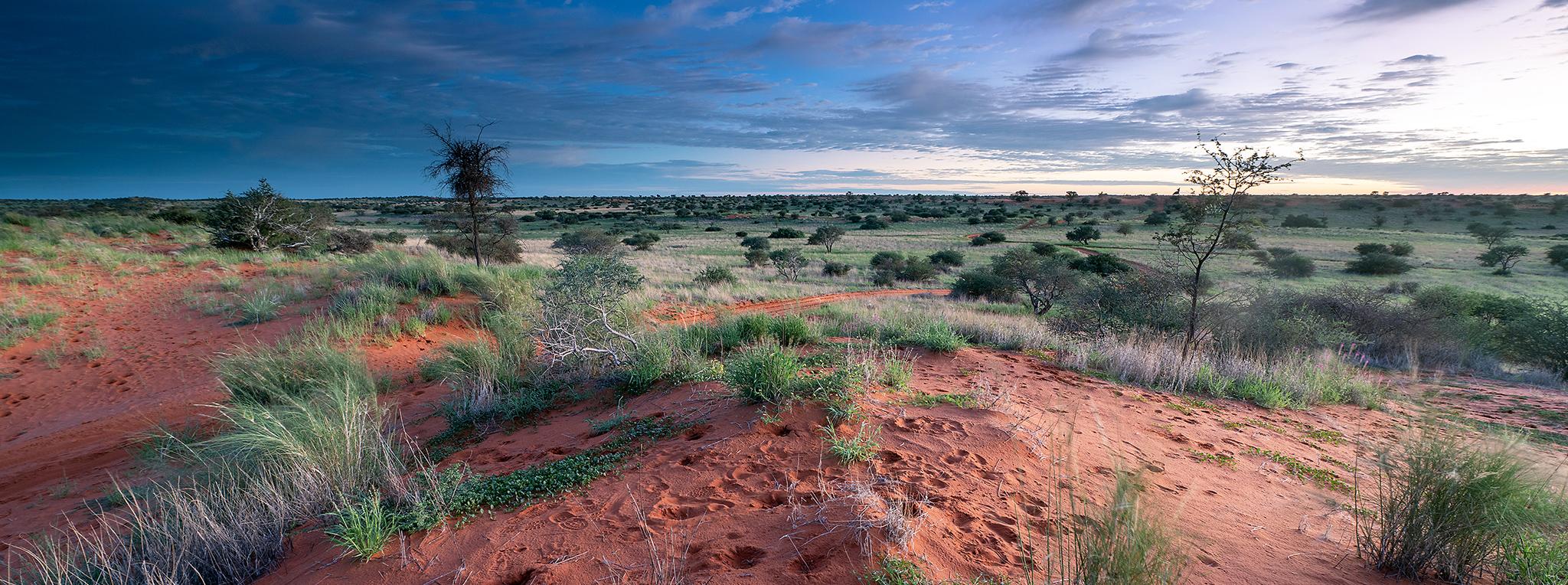 Safari Costs
Luxury Safari Pricing Guide
Discover the real cost of a luxury African safari. Our guide breaks down pricing by country, what\