
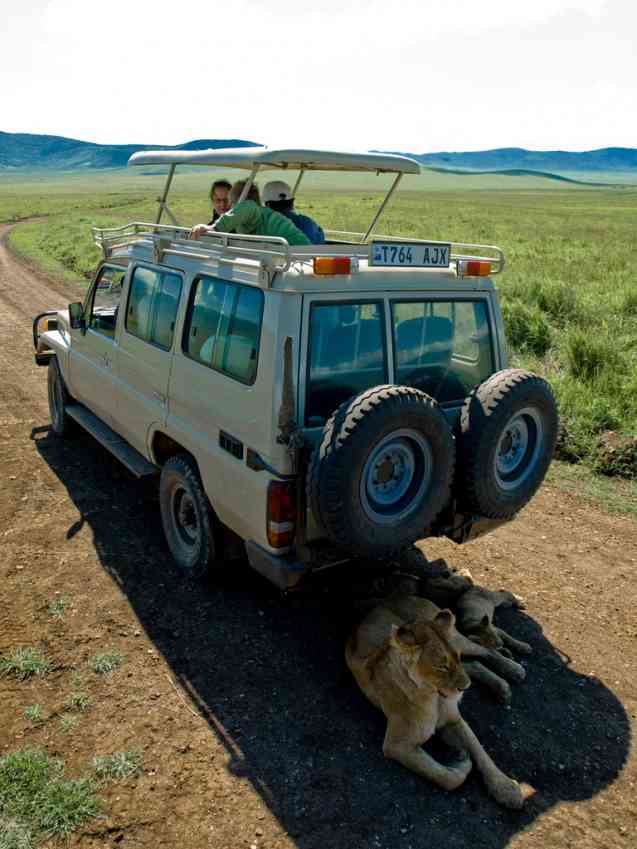
A comprehensive guide to Kenya Safari Tipping Guide. Learn everything you need to know for your next safari adventure.
Introduction to Kenya Safari Tipping Guide
When it comes to kenya safari tipping guide, experienced safari travelers know that preparation makes all the difference. Africa's diverse landscapes and ecosystems offer unique opportunities, and knowing what to expect helps you make the most of every moment on safari.
Key Details and Considerations
The most important aspects of kenya safari tipping guide involve understanding local conditions, seasonal variations, and the unique characteristics of different safari regions. Each destination across Africa offers something distinct, from the Serengeti's endless plains to the Okavango Delta's waterways. Working with experienced safari operators ensures you receive guidance tailored to your specific interests and travel dates.
Still researching? Let us help.
Our advisory team has planned safaris across 9 African countries. We can turn your research into a real plan.
Talk to an AdvisorPractical Advice
When applying insights about kenya safari tipping guide to your safari planning, remember that the best experiences come from thoughtful preparation combined with openness to the unexpected. Africa has a way of surprising even the most seasoned travelers. Use our comprehensive planning resources to build a solid foundation, then trust your guides and the wilderness to deliver moments you'll never forget.
Expert Insights
Safari professionals with decades of experience note that understanding kenya safari tipping guide gives travelers a significant advantage. The difference between a good safari and an exceptional one often comes down to the details, from choosing the right accommodation to timing your game drives for optimal wildlife viewing. Our safari operators bring this expertise to every consultation, helping you avoid common pitfalls and discover hidden gems.
Planning Your Next Steps
To wrap up, mastering kenya safari tipping guide is an investment that pays dividends throughout your safari journey. The more you understand about Africa's diverse ecosystems, wildlife, and tourism infrastructure, the better equipped you'll be to make decisions that lead to extraordinary experiences. Start your planning journey with our comprehensive knowledge center and connect with our team of experienced safari operators for personalized guidance.
Done Reading? Let's Build Your Safari.
Skip the guesswork. Work with an advisor who has been on the ground across East and Southern Africa.
Plan With UsRecommended Tipping Ranges in Kenya
When budgeting for your Kenyan safari, it's helpful to have clear guidelines for tipping. While gratuities are a personal gesture of appreciation for excellent service, knowing the customary amounts can prevent awkwardness and ensure your generosity is appropriate. For safari guides, a common recommendation is US$10 to US$20 per person per day. A dedicated and knowledgeable guide who enhances your wildlife viewing experience in parks like the Maasai Mara or Amboseli National Park certainly earns a tip at the higher end of this range.
For the general camp or lodge staff—including chefs, housekeepers, and security—a collective tip of US$10 to US$15 per group per day is standard. Many lodges have a central tipping box to ensure fair distribution among the entire team. It's a good practice to carry a mix of US dollars (newer bills, not torn) and Kenyan Shillings for tipping, as it provides flexibility.
A Practical Tipping Example: A 5-Day Maasai Mara Safari
To put these figures into context, let's consider a couple on a 5-day safari in the Maasai Mara National Reserve. Their private guide was exceptional, offering deep insights into the behavior of the Big Five and navigating the plains to witness a dramatic river crossing during the Great Migration.
- Safari Guide Tip: At a rate of US$15 per person per day, their guide's total tip would be: 2 people x US$15/day x 5 days = US$150.
- Lodge Staff Tip: For the lodge staff, they decide to tip US$15 per day for the group. The total would be: US$15/day x 5 days = US$75.
In this scenario, the couple would prepare approximately US$225 in cash for gratuities, which they would present at the end of their stay. Having this amount set aside in separate envelopes—one for the guide and one for the staff tip box—is a well-organized approach.
This example provides a clear and practical breakdown that can help travelers budget accurately and tip confidently, ensuring that their appreciation is felt by the hardworking individuals who make a safari so memorable.
Who Else Should You Tip on a Kenyan Safari?
While your safari guide and the general lodge staff are the primary recipients of gratuities, several other individuals contribute to the seamlessness of your journey. Acknowledging their service is a thoughtful gesture that is always appreciated. Consider tipping spotters and trackers, who often accompany your guide and have an uncanny ability to locate elusive wildlife. For their specialized skills, a tip of US$8 to US$10 per person per day is a suitable reward.
Your transfer drivers, who ferry you between airports, airstrips, and lodges, also appreciate a small token of gratitude. For a short transfer, US$3 to US$5 is appropriate. If the driver provides a longer, more informative transfer, such as the drive from Nairobi to Amboseli National Park, a larger tip of US$10 to US$15 is warranted. In city hotels like the Fairmont The Norfolk or the Sarova Stanley in Nairobi, standard hotel tipping practices apply. A tip of US$1 to US$2 per bag for porters and a small amount for housekeeping left at the end of your stay is customary.
The Mechanics of Tipping: Currency, Condition, and Collection
Using the right currency and method for tipping simplifies the process for both you and the recipient. While the Kenyan Shilling (KES) is the official currency, US dollars are widely preferred for safari tips, especially for guides and lodge staff. This is because many safari-related expenses and international transactions are priced in USD. When tipping in dollars, it is crucial to use crisp, clean bills printed after 2009. Older, torn, or marked bills are often rejected by local banks and currency exchanges, rendering them useless.
For smaller, incidental tips in cities or for local purchases, having a supply of Kenyan Shillings is very useful. You can acquire these upon arrival at Jomo Kenyatta International Airport (NBO) or from an ATM in Nairobi. Most safari lodges and camps utilize a central tipping box, often located discreetly in the main reception area. This system is designed to ensure that gratuities are distributed fairly among all staff members, including those who work tirelessly behind the scenes, such as the kitchen team, maintenance crew, and security. We highly recommend using the communal box for general staff tips, as it promotes a collaborative team environment. For your guide, it is more personal and appropriate to present their tip directly at the end of your time with them, often with a handshake and a word of thanks.
Tipping Across Different Safari Tiers
The level of service and inclusivity can vary between different types of safari accommodations, which may influence your tipping approach. At premier luxury lodges, such as Angama Mara overlooking the Maasai Mara or Finch Hattons in Tsavo West, service is exceptionally polished. While the cost of your stay is high, tipping is not included. For the extraordinary, personalized service you receive, tipping at the higher end of the recommended ranges—or even slightly above—is a fitting acknowledgment.
In contrast, mobile tented camps, which move with the seasons to follow wildlife, foster a more intimate and communal atmosphere. The crew is a close-knit team, and a central tipping box is the most effective way to thank everyone. The experience is rugged yet deeply authentic, and your tip recognizes the immense effort involved in running a comfortable camp in a remote wilderness setting. For more budget-focused overland tours, tipping guidelines may be provided by the tour operator, but the principle remains: reward good service when you receive it. Your safari operators can provide tailored advice based on the specific operators and lodges included in your itinerary.
Need Expert Safari Guidance?
Get expert advisory support from a firm founded by a former safari guide — with real operational knowledge across 9 African countries and full-journey accountability.
Related Planning Guides
Recommended Reading
 Country Guides
Complete Safari Guide to Kenya
Your complete guide to Complete Safari Guide to Kenya. Find the best destinations, planning tips, and more for your next safari adventure.
 Country Guides
Kenya Safari Currency and Money Guide
A comprehensive guide to Kenya Safari Currency and Money Guide. Learn everything you need to know for your next safari adventure.
 Country Guides
Kenya Safari Food and Cuisine Guide
A comprehensive guide to Kenya Safari Food and Cuisine Guide. Learn everything you need to know for your next safari adventure.
 Travel Logistics
Safari Tipping and Gratuity Guide
Tipping on safari can be confusing. Our guide to tipping and gratuity will help you know who to tip, how much to tip, and when to tip.
 Luxury Safari Content
Luxury Safari Tipping Guide
Discover the essentials of luxury safari tipping guide for an unforgettable African safari adventure.
 Safari Planning
Step-by-Step Guide to Planning an African Safari
Learn how to plan your first African safari with our step-by-step guide. We cover everything from choosing a destination to booking your trip and packing.