
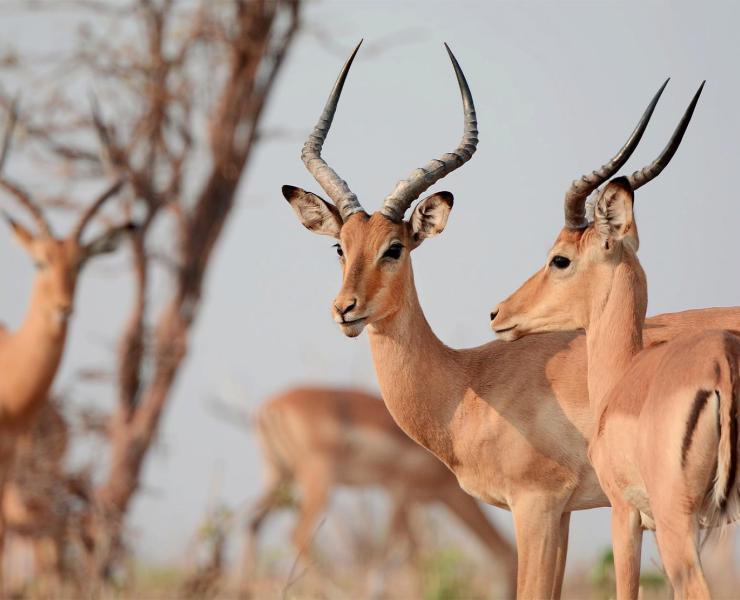
Learn about how to get to botswana for safari and how it can impact your safari experience. Get expert advice and start planning your dream safari today.
How to Get to Botswana for Safari
This is the content for the article: How to Get to Botswana for Safari.
This article is in the category: Travel Logistics.
Here are some internal links:
Navigating Your Journey to Botswana's Wild Heart
Botswana stands as a pinnacle of pristine wilderness and exclusive safari experiences. However, reaching its remote and unfenced landscapes requires careful planning. Your journey will typically involve a multi-stage process, beginning with international flights to a major southern African hub, followed by regional and domestic connections that take you deep into the bush. Understanding this travel flow is the first step in crafting a seamless and unforgettable safari adventure.
This guide provides a comprehensive overview of your travel options, from major airline routes to the essential light aircraft flights that connect you to the heart of the Okavango Delta and beyond. For personalized travel planning, we recommend speaking with our safari operators who can tailor the optimal route based on your itinerary and preferences.
Still researching? Let us help.
Our advisory team has planned safaris across 9 African countries. We can turn your research into a real plan.
Talk to an AdvisorPhase 1: International Flights to Southern Africa
There are no direct flights from North America or Europe to Botswana's primary safari hub, Maun (MUB). Therefore, the first leg of your journey involves flying into a major international airport in a neighboring country. The most common and convenient entry points are O.R. Tambo International Airport (JNB) in Johannesburg, South Africa, and Cape Town International Airport (CPT).
Johannesburg (JNB) as the Primary Hub: Johannesburg is the most popular and well-connected gateway for Botswana-bound travelers. It receives daily flights from major cities across the globe. Airlines such as Delta, United, British Airways, Virgin Atlantic, Lufthansa, Air France, KLM, Emirates, and Qatar Airways all offer robust schedules into JNB. From here, you can connect to daily flights to Maun, Kasane, and Gaborone.
Cape Town (CPT) as an Alternative: Cape Town offers another excellent entry point, particularly for travelers wishing to combine their safari with a visit to this iconic city. While it has slightly fewer direct connections to Botswana than Johannesburg, it provides a fantastic start or end point for a more diverse Southern African itinerary. You can easily find connecting flights to Maun and other regional airports from CPT.
> Expert Insight: We highly recommend booking an overnight stay near your arrival airport (JNB or CPT) after your long-haul flight. This allows you to rest and acclimatize before catching your onward connection to Botswana the next morning. It also provides a buffer against potential international flight delays, ensuring you don’t miss your crucial connection into the bush.
Phase 2: Regional Flights into Botswana
Once you've arrived in Johannesburg or Cape Town, the next step is a regional flight directly into Botswana. Your destination airport within Botswana will depend on your specific safari circuit.
Maun (MUB): The Gateway to the Okavango Delta Maun is the undisputed safari capital of Botswana. This bustling town serves as the primary entry point for nearly all safaris into the Okavango Delta, Moremi Game Reserve, and the Kalahari. Airlines like Airlink and Air Botswana operate multiple daily flights from both Johannesburg and Cape Town to Maun. The flight from JNB to MUB is approximately 90 minutes.
Kasane (BBK): The Chobe & Victoria Falls Connection If your itinerary is focused on Chobe National Park, the Chobe Riverfront, or includes a visit to Victoria Falls, flying into Kasane is your best option. Kasane Airport is located just a short drive from the park entrance and the Kazungula border, which provides easy access to Zimbabwe and Zambia. Airlink offers direct flights from Johannesburg to Kasane.
Gaborone (GBE): The Capital City Sir Seretse Khama International Airport in Gaborone is the country's main international airport but is primarily used for business and government travel. It is located far from the main northern safari areas, making it an impractical entry point for a wildlife-focused trip.
Phase 3: The Final Leg - Light Aircraft Bush Flights
The final and most exciting part of your journey is the transfer from Maun or Kasane to your safari lodge. The vast majority of camps in the Okavango Delta and surrounding concessions are accessible only by light aircraft. This is not just a transfer; it's a breathtaking scenic flight that provides your first aerial safari.
As you fly over the winding waterways and floodplains of the Delta, you'll spot herds of elephants, hippos in the water, and vast herds of buffalo. The experience is a core part of the Botswana safari adventure.
Key Things to Know About Bush Flights:
- The Aircraft: You'll be flying in small, single-engine aircraft like the Cessna 208 Grand Caravan or Gippsland Airvan. These are piloted by experienced bush pilots who are experts in navigating the region.
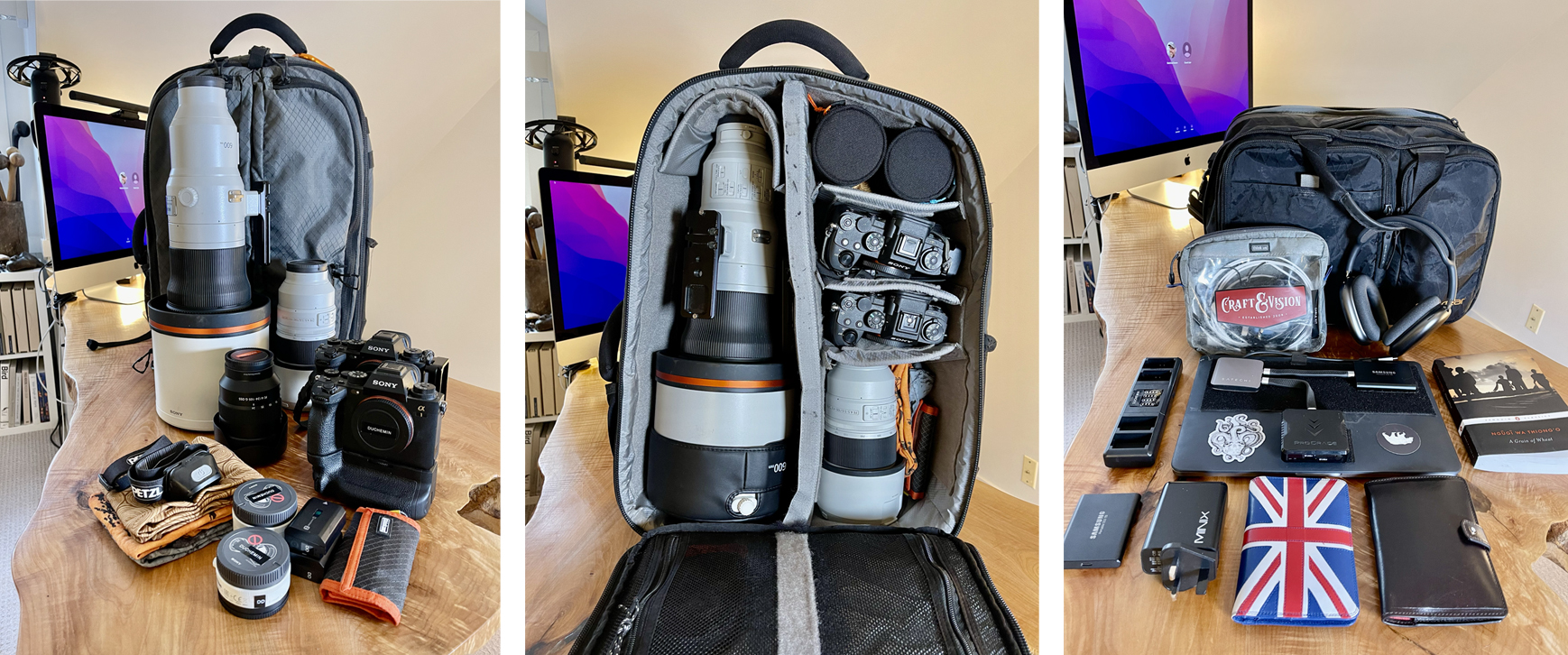
- Luggage Restrictions: This is the most critical rule for Botswana travel. Luggage is strictly limited to 20 kg (44 lbs) per person, including hand luggage and camera equipment. Bags MUST be soft-sided (no wheels or rigid frames) to fit into the small aircraft luggage pods. Hard-shell suitcases will be left in Maun.
- The Airstrips: You will land on remote, unpaved airstrips in the middle of the wilderness, where a guide from your camp will be waiting to greet you with a safari vehicle.
> Traveler's Tip: Pack your essential items, a change of clothes, and any medication in your carry-on. While rare, luggage can sometimes be delayed on a subsequent flight. Having your essentials ensures you can start your safari without a hitch.
Done Reading? Let's Build Your Safari.
Skip the guesswork. Work with an advisor who has been on the ground across East and Southern Africa.
Plan With UsOverland Travel and Self-Driving
While most travelers fly, entering Botswana by road is an option for the more adventurous or those on a longer, multi-country self-drive itinerary. Botswana has several border posts with its neighbors:
- From South Africa: The most commonly used border posts are Tlokweng and Ramatlabama in the south, and Martin's Drift in the east.
- From Namibia: You can cross at the Ngoma Bridge near the Caprivi Strip or at the Mamuno border post.
- From Zimbabwe & Zambia: The Kazungula border is a bustling and modern crossing point, offering access to Chobe from Victoria Falls.
Self-driving in Botswana's national parks requires a fully-equipped 4x4 vehicle and significant off-road driving experience. The terrain, especially in the Delta and Moremi, consists of deep sand and water crossings that are challenging to navigate. For most first-time visitors, a fly-in safari is the more practical and relaxing option. Explore our destinations page to see which parks are best suited for your travel style.
Putting It All Together: A Sample Journey
To visualize the process, here is a typical travel flow for a safari-goer from the United States:
- Day 1: Depart from New York (JFK) on an overnight flight to Johannesburg (JNB).
- Day 2: Arrive at JNB in the evening. Clear customs, collect your luggage, and transfer to a nearby airport hotel for the night.
- Day 3: After breakfast, check in for your morning Airlink flight from JNB to Maun (MUB). Upon arrival in Maun, you are met by a representative from the light aircraft charter company who will assist you to your connecting bush flight.
- Day 3 (Afternoon): Board your 30-minute scenic flight over the Okavango Delta, landing at a remote airstrip where your safari guide is waiting to begin your adventure.
This structured approach ensures a smooth and stress-free start to your Botswana safari. To begin designing your own journey, use our plan your safari tool or consult our knowledge center for more in-depth guides.
Need Expert Safari Guidance?
Get expert advisory support from a firm founded by a former safari guide — with real operational knowledge across 9 African countries and full-journey accountability.
Related Planning Guides
Recommended Reading
 Safari Comparison Articles
Guided Safari vs Self-Drive Safari in Botswana
An in-depth comparison of Guided Safari vs Self-Drive Safari in Botswana to help you choose the perfect safari experience. Explore the pros, cons, and key diffe
 Country Guides
Complete Safari Guide to Botswana
Your complete guide to Complete Safari Guide to Botswana. Find the best destinations, planning tips, and more for your next safari adventure.
 Country Guides
Botswana Safari Entry Requirements and Visas
Your complete guide to Botswana Safari Entry Requirements and Visas. Find the best destinations, planning tips, and more for your next safari adventure.
 Country Guides
Botswana Safari Infrastructure and Roads
Your complete guide to Botswana Safari Infrastructure and Roads. Find the best destinations, planning tips, and more for your next safari adventure.
 Safari Cost Guides
How Much Does a Botswana Safari Cost in 2026
Planning a safari? Learn about how much does a botswana safari cost in 2026. Get expert advice and insights from Safari Intelligence to plan your perfect trip.
 Safari Comparison Articles
Botswana vs Tanzania – Safari Comparison
Learn about botswana vs tanzania – safari comparison in this comprehensive safari guide covering key insights and practical advice.