

Discover the essentials of how a safari advisor helps with dietary requirements for an unforgettable African safari adventure.
How a Safari Planning Guide Helps With Dietary Requirements
Every safari destination in Africa has its own character, and how a safari planning guide helps with dietary requirements varies accordingly. This guide helps you understand the nuances so you can make informed decisions for your specific itinerary.
Understanding the Fundamentals
Experienced safari operators emphasize that preparation is the single most important factor in how a safari planning guide helps with dietary requirements. This means doing your research well in advance, consulting with knowledgeable advisors, and being willing to adapt your plans based on current conditions. The best safari experiences come from travelers who approach their journey with both enthusiasm and informed flexibility.
The foundation of how a safari planning guide helps with dietary requirements begins with understanding the basic principles. Safari environments across Africa present unique conditions that differ significantly from what most travelers are accustomed to. In East Africa, the vast savannas of Kenya and Tanzania create one set of considerations, while the dense forests of Uganda and Rwanda present entirely different challenges. Southern African destinations like Botswana and South Africa add yet another dimension.
Still researching? Let us help.
Our advisory team has planned safaris across 9 African countries. We can turn your research into a real plan.
Talk to an AdvisorRegional Considerations Across Africa
Southern Africa presents a different landscape for how a safari planning guide helps with dietary requirements. Countries like Botswana, South Africa, Namibia, and Zimbabwe each have established infrastructure and practices that reflect their unique environments. The Okavango Delta, for instance, requires water-based considerations that land-based safaris in Kruger National Park do not.
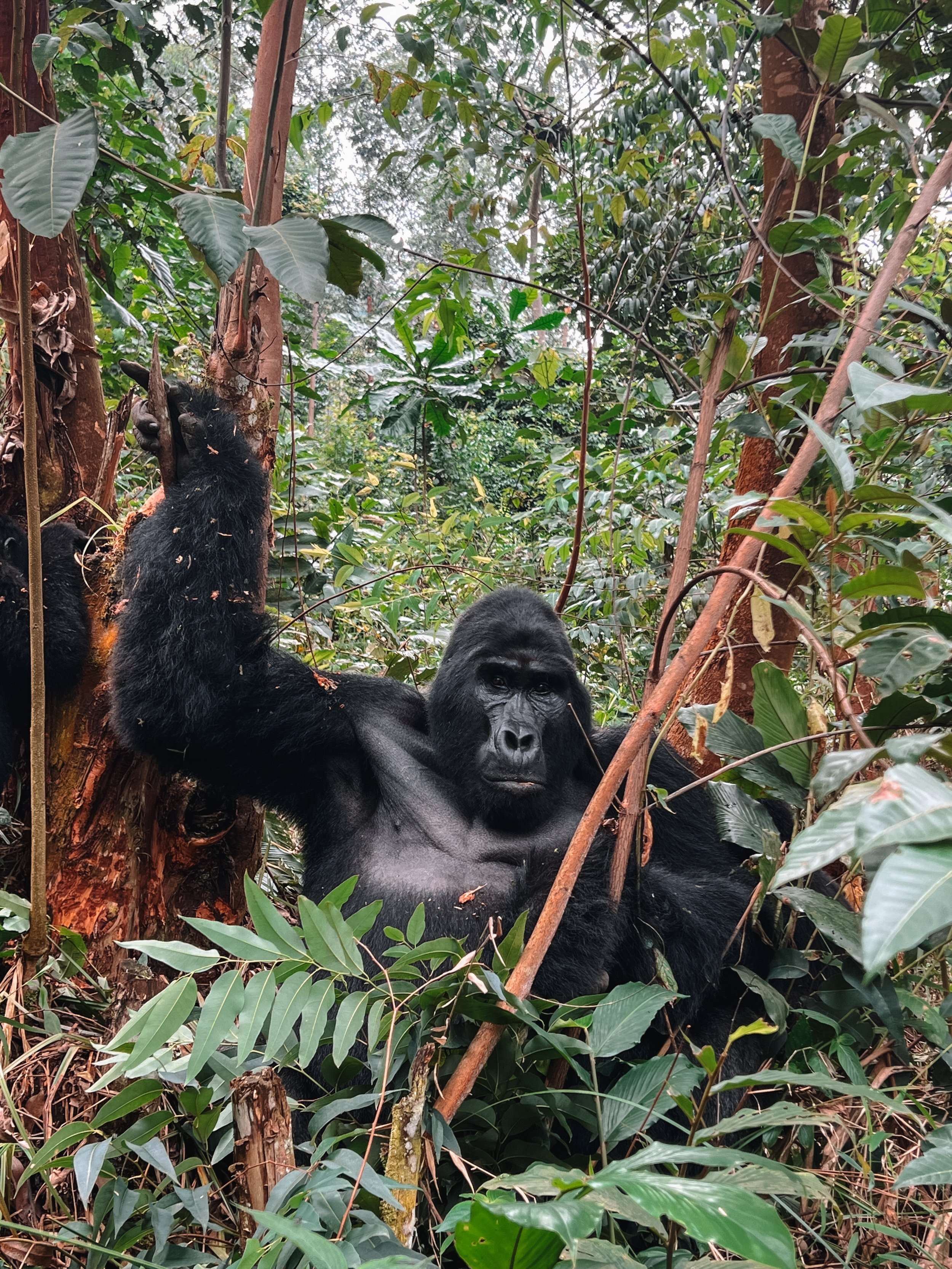
Central and West African destinations, including Uganda, Rwanda, and the Congo, offer specialized experiences like gorilla trekking that bring their own set of requirements. These destinations often involve more challenging terrain and different logistical considerations compared to the classic savanna safari.
Seasonal Factors and Timing
Peak season brings excellent wildlife viewing but also higher prices and more crowded parks. Shoulder seasons offer a balance of good conditions and fewer crowds. Understanding how seasonal factors affect how a safari planning guide helps with dietary requirements helps you choose the optimal time for your specific priorities.
Weather patterns across Africa are becoming less predictable due to climate change, which adds another layer of consideration to how a safari planning guide helps with dietary requirements. Working with operators who have current, on-the-ground knowledge of conditions is more important than ever.
The timing of your safari significantly impacts how a safari planning guide helps with dietary requirements. Dry season months, typically June through October in most East African destinations, offer different conditions than the green season months of November through May. Each period has distinct advantages and considerations.
Common Mistakes to Avoid
One of the most frequent mistakes travelers make with how a safari planning guide helps with dietary requirements is waiting too long to start planning. Popular safari destinations and lodges book up months in advance, especially during peak season. Last-minute planning often results in limited options and higher costs.
Underestimating the importance of how a safari planning guide helps with dietary requirements is perhaps the biggest mistake of all. Travelers who give this aspect of their safari proper attention consistently report more satisfying experiences than those who treat it as an afterthought.
Done Reading? Let's Build Your Safari.
Skip the guesswork. Work with an advisor who has been on the ground across East and Southern Africa.
Plan With UsRelated Resources
For more information on planning your safari, explore our destination guides, browse the safari operator directory, or connect with an experienced safari planning guide for personalized guidance.
Common Dietary Needs on Safari: What to Expect
While the remote settings of many safari camps might seem limiting, the African hospitality industry has become remarkably adept at catering to a wide range of dietary needs. Your safari planning guide acts as the crucial link to ensure these needs are not just met, but anticipated. Here’s a closer look at how common requirements are handled:
- Vegetarian and Vegan: These are the most common dietary requests and are handled with ease by nearly all reputable lodges. Chefs are well-versed in creating inventive, multi-course meals that go far beyond simple salads. Expect to find dishes featuring locally sourced vegetables, grains like quinoa and couscous, and protein-rich legumes. In places with significant Indian cultural influence, like Kenya and Tanzania, you will often find outstanding vegetarian curries and flatbreads.
- Gluten-Free and Celiac Disease: Awareness of gluten intolerance and celiac disease is widespread. Most kitchens can provide gluten-free bread, pasta, and snacks. Breakfasts can include gluten-free cereals and baked goods. However, the risk of cross-contamination is a serious concern that requires clear communication. A planning guide will emphasize the severity of the condition to the lodge manager and head chef, ensuring the kitchen team understands the need for separate preparation areas and utensils.
- Nut and Other Serious Allergies: Life-threatening allergies to nuts, shellfish, or other ingredients are taken extremely seriously. This is where a planning guide’s role is most critical. They will document the specific allergy, its severity, and any emergency protocols (like carrying an EpiPen) in your booking file. This information is relayed directly to the camp manager, who will personally brief the culinary team. Many lodges will go as far as removing all offending ingredients from the kitchen during your stay.
- Religious Diets (Kosher and Halal): Accommodating strict Kosher or Halal requirements is more complex and often incurs additional costs. It may involve flying in specially prepared meals or ingredients, which is only possible at certain lodges with the right logistical capabilities. Your advisor can identify which safari operators and properties have established procedures for these diets, saving you hours of research and potential disappointment. They can also clarify any supplemental charges, which can be significant.
> Expert Insight: Don't assume that "vegetarian" means the same thing everywhere. In some remote locations, it might be interpreted as "no red meat." A safari planning guide clarifies these nuances, specifying lacto-ovo vegetarian, vegan, or other variations to ensure your meals align with your expectations. This level of detail prevents misunderstandings and guarantees a more enjoyable dining experience.
The Communication Chain: From Advisor to Chef
Understanding how your dietary information is handled provides peace of mind. A professional safari planning guide initiates a clear and redundant communication chain to ensure nothing is lost in translation.
- Initial Booking: When you book your safari, your advisor will ask for detailed information about any dietary restrictions, allergies, and preferences. This is not a simple checkbox; it's a conversation. They will want to know the severity of allergies, your specific likes and dislikes, and any "must-have" items.
- Operator Briefing: This detailed information is compiled and sent to the ground operator in Africa—the company that manages the logistics of your transfers, guides, and camp bookings. The operator's reservations manager becomes the central point of contact for all properties on your itinerary.
- Lodge Notification: The operator formally notifies each lodge and camp in your itinerary, providing them with the full dietary brief weeks or even months before your arrival. This advance notice is crucial, especially for remote camps that need to fly in special ingredients.
- Pre-Arrival Confirmation: A few days before your arrival at each new property, the camp manager and head chef review the dietary information again as part of their standard check-in preparations.
- Arrival Briefing: Upon your arrival, the camp manager or your guide will typically confirm your dietary needs with you in person. This is a final check to ensure all information is correct and to give you an opportunity to ask any last-minute questions.
Case Study: A Gluten-Free Celebration in the Serengeti
A recent client was planning a 10th-anniversary safari to the Serengeti and the Ngorongoro Crater. The wife has a severe celiac disease, and the husband wanted to surprise her with a special anniversary cake. The challenge was ensuring a truly gluten-free cake could be prepared safely in a remote tented camp.
Their safari planning guide documented the requirement, emphasizing the need for zero cross-contamination. The advisor selected camps known for their culinary excellence and experience with celiac guests. They communicated directly with the head chefs at each property, confirming they had dedicated gluten-free flour and baking equipment. The result? A beautiful—and delicious—gluten-free chocolate cake was presented to the couple under the stars after a private dinner in the bush. This level of coordination would have been nearly impossible for a traveler to arrange on their own.
Practical Tips for Travelers with Dietary Needs
While your advisor handles the primary communication, there are several steps you can take to ensure a smooth experience:
- Be Specific and Honest: Understate nothing. If you have a life-threatening allergy, say so. If you simply dislike cilantro, mention that too. The more information the kitchen has, the better they can cater to you.
- Pack Emergency Snacks: For long travel days or in the rare event of a mix-up, having a few of your own trusted snacks (like a gluten-free protein bar) provides a safety net and peace of mind.
- Carry a Translation Card: For less common allergies or complex dietary needs, consider carrying a small, laminated card that explains your requirements in English and Swahili. Your advisor can help you with the translation.
- Engage with the Staff: Don't be shy. When you arrive at a new camp, a friendly chat with the manager or chef can build rapport and reinforce the importance of your needs. They appreciate the direct communication.
> Traveler's Tip: When you sit down for your first meal at a new camp, politely confirm your dietary needs with the server. For example, simply saying, "Just a reminder, I am the guest with the nut allergy." This serves as a final, real-time check and is a standard practice that camp staff welcome.
By leveraging the expertise of a safari planning guide and taking a few proactive steps, travelers with dietary requirements can confidently look forward to exceptional culinary experiences as a highlight of their African adventure. The focus can then return to where it should be: the incredible wildlife and landscapes of this magnificent continent. For more information, visit our knowledge center or use our cost calculator to start budgeting for your journey.
Need Expert Safari Guidance?
Get expert advisory support from a firm founded by a former safari guide — with real operational knowledge across 9 African countries and full-journey accountability.
Related Planning Guides
Recommended Reading
 Safari Advisor Content
How a Safari Advisor Helps With Visa Requirements
Discover the essentials of how a safari advisor helps with visa requirements for an unforgettable African safari adventure.
 Safari Advisor Content
How a Safari Advisor Helps You Avoid Mistakes
Discover the essentials of how a safari advisor helps you avoid mistakes for an unforgettable African safari adventure.
 Safari Advisor Content
How a Safari Advisor Helps You Choose the Right Destination
Discover the essentials of how a safari advisor helps you choose the right destination for an unforgettable African safari adventure.
 Safari Operator Articles
How Safari Operators Handle Dietary Requirements
A guide to how safari operators accommodate dietary requirements and what to do to ensure your needs are met while on safari.
 Country Guides
South Africa Safari Entry Requirements and Visas
Your complete guide to South Africa Safari Entry Requirements and Visas. Find the best destinations, planning tips, and more for your next safari adventure.
 Safari Comparison Articles
Safari With Advisor vs Without Advisor
An in-depth comparison of Safari With Advisor vs Without Advisor to help you choose the perfect safari experience. Explore the pros, cons, and key differences t