
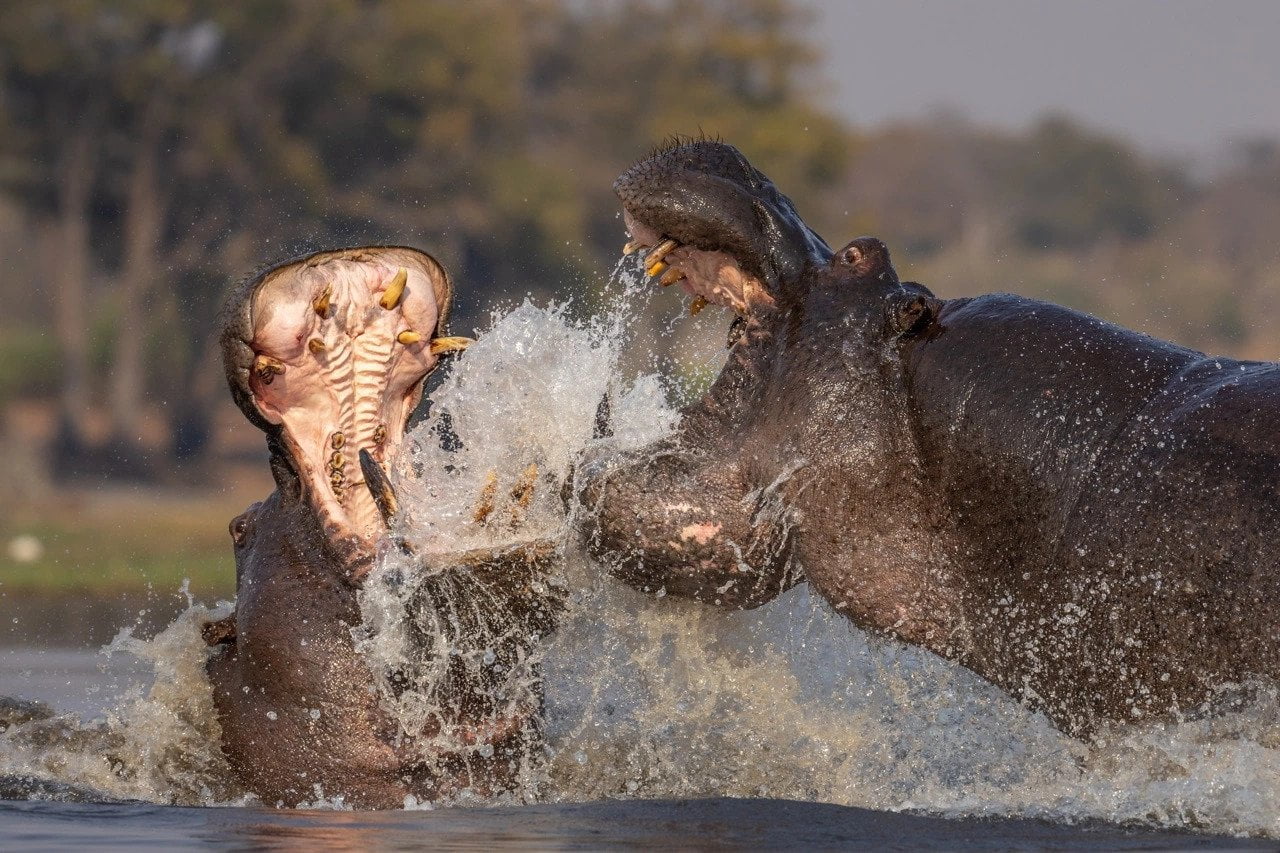
Planning a safari? Learn about safari tip amounts by country. Get expert advice and insights from Safari Intelligence to plan your perfect trip.
Tipping Etiquette on Safari
Tipping is a customary way to show appreciation for good service on safari, and it is an important part of the income for many people in the tourism industry. However, tipping etiquette and amounts can vary by country and by the type of service. Our knowledge center provides detailed tipping guidelines.
Recommended Tipping Amounts
As a general guideline, you can budget the following per person per day: Safari Guide: $10-$15; Tracker (if applicable): $5-$10; General Camp/Lodge Staff: $10-$15 (usually placed in a communal tip box). These are just suggestions, and you should feel free to tip more or less depending on the quality of service you receive. Our safari operators can provide more specific advice for your destination.
Still researching? Let us help.
Our advisory team has planned safaris across 9 African countries. We can turn your research into a real plan.
Talk to an AdvisorHow to Tip
It is best to tip in local currency or in US dollars. It is a good idea to carry a supply of small bills for this purpose. For guides and trackers, it is customary to tip them directly at the end of your time with them. For general staff, there is usually a communal tip box at the reception. For more on safari etiquette, visit our destinations page.
Detailed Tipping Guidelines by Country
While the general tipping guidelines provide a good starting point, tipping etiquette and expectations can vary significantly between safari destinations. Below, we break down the customary tipping amounts for the most popular safari countries. These are recommendations, and you should always feel free to adjust your tip based on the quality of service you receive. For personalized advice, our safari operators are always available to help.
Tanzania
Tanzania is one of Africa's premier safari destinations, and a well-established tipping culture exists. US dollars are widely accepted and often preferred for tips, especially in the northern safari circuit (Serengeti, Ngorongoro Crater).
- Safari Guide: $15 - $20 per guest, per day.
- Tracker: $10 - $15 per guest, per day (if applicable, as not all vehicles have a separate tracker).
- General Camp/Lodge Staff (communal tip box): $10 - $15 per guest, per day. This covers kitchen staff, housekeeping, and other behind-the-scenes employees.
- Walking Safari Guide: $10 per guest, per walk.
- Porters on Kilimanjaro/Meru Treks: This is a more complex system. Expect to tip around $150 - $250 per climber for the entire trek, which is then distributed among the guides, assistant guides, and porters. Your trekking operator will provide specific guidelines.
Kenya
Kenya's safari industry is the most mature in Africa, and tipping is a standard practice. Both US dollars and Kenyan Shillings are acceptable, though US dollars are often easier for travelers.
- Safari Guide: $15 - $20 per guest, per day.
- Tracker: $10 - $15 per guest, per day.
- General Camp/Lodge Staff (communal tip box): $10 - $15 per guest, per day.
- Local Community/Village Visit Guide: $5 - $10 per guest.
> Expert Insight: In both Kenya and Tanzania, your relationship with your guide is paramount. They are your host, teacher, and protector in the bush. A generous tip for an outstanding guide who has gone above and beyond to make your safari special is a powerful way to show your appreciation. Many guides use their tips to support their families and communities, so your generosity has a direct positive impact.
Botswana
Botswana is known for its high-end, low-volume tourism model. Tipping is customary, but the amounts can be slightly higher than in other East African countries, reflecting the premium nature of the experience. US dollars are the preferred currency for tips.
- Safari Guide: $20 - $25 per guest, per day.
- Tracker: $15 - $20 per guest, per day.
- Mokoro Poler (for water-based activities): $10 per guest, per excursion.
- General Camp/Lodge Staff (communal tip box): $15 - $20 per guest, per day.
South Africa
Tipping in South Africa is also standard practice, both on safari and in cities. It's best to tip in South African Rand (ZAR), as it's the local currency and easier for staff to use. The guidelines below are for private game reserves like those in the Sabi Sands and Kruger National Park area.
- Safari Guide (Ranger): R200 - R300 per guest, per day.
- Tracker: R100 - R150 per guest, per day.
- General Lodge Staff (communal tip box): R100 - R150 per guest, per day.
- Butler (if applicable): R100 per guest, per day.
Uganda & Rwanda
For gorilla and chimpanzee trekking in Uganda and Rwanda, tipping is highly appreciated. These treks are often the highlight of a trip, and the guides and trackers are incredibly skilled.
- Gorilla Trekking Guide: $20 - $25 per guest, per trek.
- Trackers & Porters: $15 per guest, per trek for the trackers. If you hire a personal porter (highly recommended), a separate tip of $15 - $20 is appropriate.
- Safari Guide (for other wildlife viewing): $15 - $20 per guest, per day.
Tipping on Different Safari Types
The style of your safari can also influence tipping. A luxury, all-inclusive lodge experience has different staffing and service structures than a more rustic mobile camping safari.
- Luxury Lodges: These properties often have a larger staff, including butlers, chefs, and spa therapists. While the general staff tip box covers most, a separate, direct tip for a private butler or a therapist who provided exceptional service is a nice gesture.
- Mobile Tented Camps: On a mobile safari, the camp crew works incredibly hard to set up and break down the camp, cook meals, and ensure your comfort. Your guide will often be with you for the entire journey. It's common to tip the guide separately and then give a larger tip to be distributed among the entire camp crew.
- Overland & Budget Safaris: On these more budget-friendly trips, tips form a more significant portion of the staff's income. While the daily amounts may be slightly lower, your generosity is deeply appreciated. Check with your tour operator for their specific recommendations.
Done Reading? Let's Build Your Safari.
Skip the guesswork. Work with an advisor who has been on the ground across East and Southern Africa.
Plan With UsCurrency, Cash, and Envelopes
While the "How to Tip" section at the end of this article provides a good overview, here are a few more practical details.
- Bring Cash: Do not assume you can add a tip to your credit card bill. Most camps and lodges do not have this facility. You will need to bring enough cash with you to cover all your anticipated tips. Our cost calculator can help you budget for this.
- Envelopes: Many lodges provide small envelopes for tipping, which is a discreet and organized way to handle it. It's a good idea to bring a few of your own, just in case. You can then present the envelopes to your guide and tracker directly, and place the general staff tip in the communal box, often at the reception desk upon checkout.
- USD vs. Local Currency: While US dollars are widely accepted for tips in most major safari hubs, using the local currency is always an option and sometimes preferred in more remote areas or for smaller tips in cities. However, for the main safari portion of your trip, carrying crisp, new US dollar bills is often the most convenient approach.
> Traveler's Tip: Before you depart for your safari, visit your bank to get a mix of US dollar bills, including plenty of $5, $10, and $20 notes. Avoid bringing bills that are old, torn, or written on, as they may not be accepted. Planning this in advance will save you the stress of trying to find an ATM or currency exchange upon arrival.
Planning a safari involves many details, and understanding tipping etiquette is a key part of being a responsible and appreciative traveler. If you have any more questions, don't hesitate to plan your safari with one of our expert advisors who can provide tailored guidance for your specific itinerary. For more in-depth articles on all aspects of safari planning, be sure to visit our knowledge center.
Need Expert Safari Guidance?
Get expert advisory support from a firm founded by a former safari guide — with real operational knowledge across 9 African countries and full-journey accountability.
Related Planning Guides
Recommended Reading
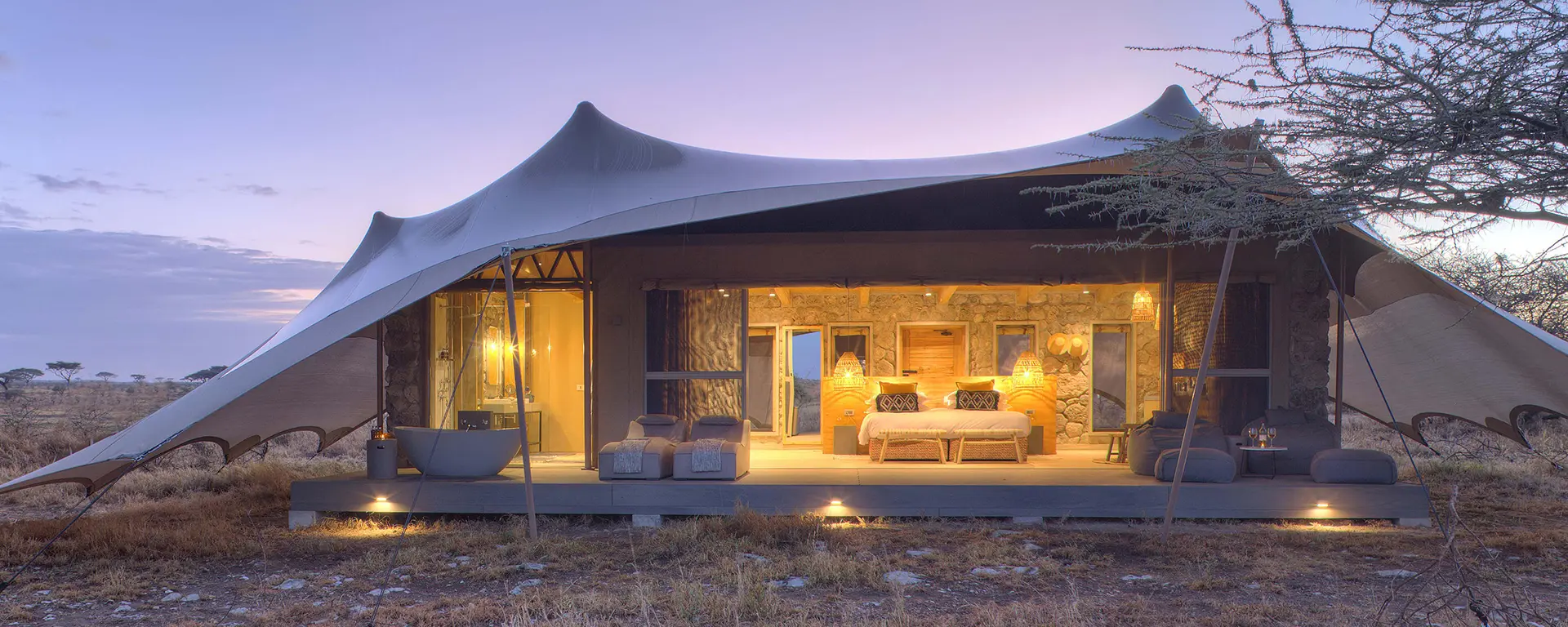 Safari Cost Guides
Safari Lodge Costs by Country Comparison
Planning a safari? Learn about safari lodge costs by country comparison. Get expert advice and insights from Safari Intelligence to plan your perfect trip.
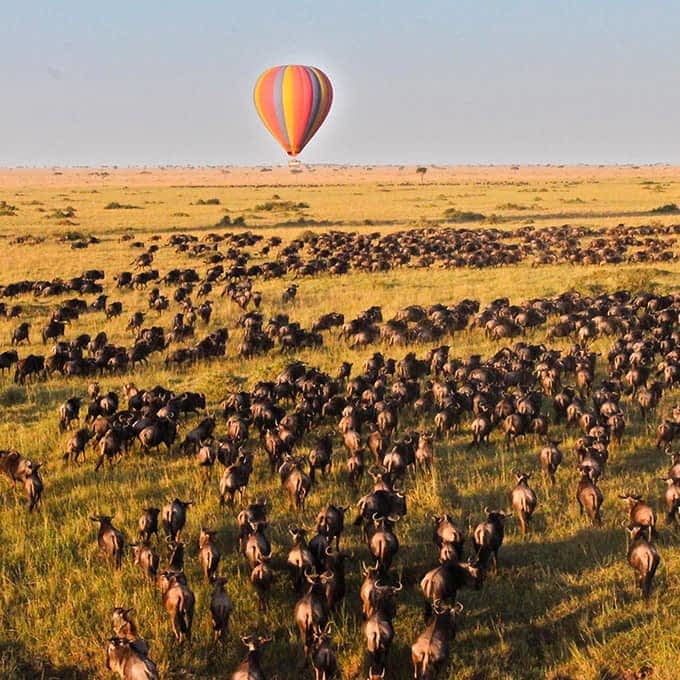 Safari Cost Guides
Safari Camp Costs by Country Comparison
Planning a safari? Learn about safari camp costs by country comparison. Get expert advice and insights from Safari Intelligence to plan your perfect trip.
 Safari Cost Guides
Safari Visa Costs by Country
Planning a safari? Learn about safari visa costs by country. Get expert advice and insights from Safari Intelligence to plan your perfect trip.
 Safari Planning
Safari Itinerary Planning Tips
Learn how to plan the perfect African safari itinerary with our expert tips on choosing destinations, balancing travel time, and finding the best time to go.
 Safari Planning
Planning a Multi-Country Safari
Learn how to plan a multi-country African safari with our expert guide. Discover popular routes, essential logistics, and tips for a seamless journey.
 Safari Comparison Articles
Tanzania vs Kenya – Which Country Is Better for Safari
Learn about tanzania vs kenya – which country is better for safari in this comprehensive safari guide covering key insights and practical advice.