
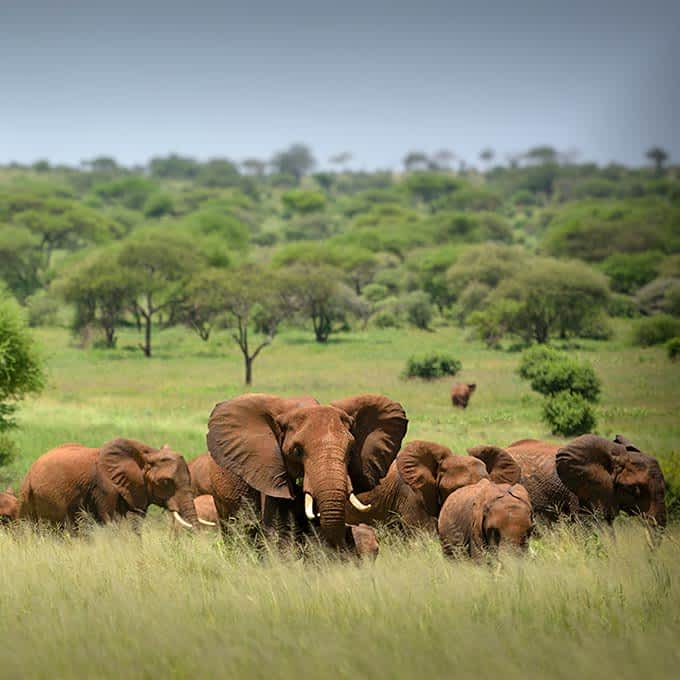
Learn about safari gift shop and souvenir options in this comprehensive safari guide.
Introduction
Exploring safari gift shop and souvenir options reveals the depth and complexity of African safari travel. Whether you're drawn to the vast savannas of East Africa or the lush waterways of Southern Africa, this knowledge will serve you well throughout your journey.
Key Details and Considerations
Delving deeper into safari gift shop and souvenir options, travelers discover that Africa's safari industry has evolved significantly over the past decades. Modern safari experiences combine traditional wilderness exploration with contemporary comfort and conservation awareness. The key is finding the right balance for your travel style and budget, which our cost calculator can help you determine.
Still researching? Let us help.
Our advisory team has planned safaris across 9 African countries. We can turn your research into a real plan.
Talk to an AdvisorPractical Advice
Putting your knowledge of safari gift shop and souvenir options into practice requires a systematic approach. Begin by defining your priorities and non-negotiables, then research destinations and operators that align with your vision. Our operator directory features thousands of safari companies across 17 African countries. Compare options carefully, read reviews, and don't hesitate to ask detailed questions before committing to a booking.
Expert Insights
Safari professionals with decades of experience note that understanding safari gift shop and souvenir options gives travelers a significant advantage. The difference between a good safari and an exceptional one often comes down to the details, from choosing the right accommodation to timing your game drives for optimal wildlife viewing. Our safari operators bring this expertise to every consultation, helping you avoid common pitfalls and discover hidden gems.
Planning Your Next Steps
To wrap up, mastering safari gift shop and souvenir options is an investment that pays dividends throughout your safari journey. The more you understand about Africa's diverse ecosystems, wildlife, and tourism infrastructure, the better equipped you'll be to make decisions that lead to extraordinary experiences. Start your planning journey with our comprehensive knowledge center and connect with our team of experienced safari operators for personalized guidance.
_Our comprehensive guide to safari gift shops and souvenirs continues, offering deeper insights into finding meaningful keepsakes from your African adventure. Beyond the initial overview, we now explore the nuances of ethical shopping, unique souvenir ideas, and practical tips for bringing a piece of Africa home with you._
Done Reading? Let's Build Your Safari.
Skip the guesswork. Work with an advisor who has been on the ground across East and Southern Africa.
Plan With UsNavigating the Safari Souvenir Landscape
Your quest for the perfect safari souvenir will take you to a variety of venues, each offering a distinct shopping experience. Understanding the differences will help you manage your expectations and find the most authentic and valuable items. From high-end lodge boutiques to bustling local markets and convenient airport stalls, here’s what you can expect at each stop.
Lodge and Camp Boutiques
Nearly every safari lodge and camp has a small gift shop or boutique on-site. These shops are carefully curated to reflect the style and ethos of the lodge, often featuring high-quality, locally sourced crafts, branded apparel, and fine art. While prices here are typically higher, the convenience is unmatched, and you can be confident that the items are ethically produced. Many lodges partner with local communities or conservation projects, and a portion of the proceeds from your purchase may go directly to supporting these initiatives.
What to Expect:
- High-Quality Crafts: Hand-beaded jewelry from Maasai artisans in Kenya, intricate woodwork from Zimbabwe, or luxurious textiles from South Africa.
- Branded Merchandise: Safari-chic apparel, hats, and bags with the lodge’s logo—a perfect way to remember your stay.
- Fine Art: Original paintings and sculptures from renowned local artists.
> Expert Insight: Lodge boutiques are excellent places to find high-value, investment-worthy art pieces. If you find a piece you love, don’t hesitate to ask about the artist and the story behind the work. Many lodges can arrange for secure shipping to your home, so you don’t have to worry about transporting a delicate sculpture or large painting.
Local Markets and Craft Centers
For a more immersive and adventurous shopping experience, a visit to a local market is a must. Here, you’ll find a dizzying array of handmade goods sold directly by the artisans. The atmosphere is vibrant and chaotic, and you’ll have the opportunity to interact with the craftspeople, learn about their techniques, and hear the stories behind their work. Popular markets include the Maasai Market in Nairobi, the St. George’s Mall in Cape Town, and the Zanzibar Stone Town market.
Bargaining is expected and is part of the cultural experience. Approach it with a friendly and respectful attitude. Start by offering a price that is about half of the asking price and negotiate from there. The goal is to arrive at a price that is fair to both you and the vendor.
What to Expect:
- Hand-Carved Wooden Animals: The “Big Five” (lion, leopard, elephant, rhino, and buffalo) are popular subjects.
- Beaded Jewelry and Accessories: Brightly colored necklaces, bracelets, and belts made by local tribes.
- Woven Baskets and Textiles: Beautiful and functional items that showcase traditional weaving techniques.
> Traveler's Tip: When shopping at local markets, it’s wise to carry small denominations of the local currency. While some vendors may accept US dollars, you will get a better price if you pay in the local currency. Always keep your valuables secure and be aware of your surroundings.
Ethical Souvenir Shopping: Making a Positive Impact
As a conscientious traveler, the souvenirs you choose can have a powerful positive impact on local communities and wildlife conservation. The safari industry is deeply intertwined with the well-being of the regions it operates in, and your purchasing decisions are a direct way to contribute. Ethical shopping means ensuring your money supports fair wages, sustainable practices, and the preservation of cultural heritage.
How to Shop Ethically:
- Buy Directly from Artisans: Whenever possible, purchase goods directly from the person who made them. This ensures the maximum amount of money goes to the creator. Visiting a community craft center or a certified fair-trade co-op is an excellent way to do this.
- Look for Fair-Trade Certifications: Organizations like the World Fair Trade Organization (WFTO) certify businesses that adhere to strict standards of social and environmental responsibility. Look for these labels in shops and boutiques.
- Ask Questions: Don’t be shy about asking where a product came from and who made it. Reputable vendors will be proud to share the story behind their products and the artisans they support. If a vendor is evasive or can't provide details, it could be a red flag.
- Support Conservation-Linked Souvenirs: Many conservation organizations and lodges sell merchandise where a portion of the proceeds directly funds wildlife protection projects, such as anti-poaching patrols or habitat restoration. This is a fantastic way to make your purchase count twice.
Souvenirs to Avoid:
It is illegal to transport certain wildlife products across international borders. Purchasing these items fuels poaching and harms ecosystems. Under no circumstances should you buy:
- Ivory from elephants or hippos
- Rhino horn
- Skins or products made from endangered animals (e.g., cheetah, leopard)
- Tortoiseshell or sea turtle products
- Coral and certain large seashells
> Expert Insight: Many modern artisans create stunning replicas of traditional items using sustainable materials. For example, you can find beautiful necklaces made from polished cow bone or warthog tusk (from culled animals) that mimic the appearance of ivory. These are known as “ethical ivory” and are a responsible alternative. For more guidance on responsible travel, explore our knowledge center.
Beyond the Big Five: Unique Safari Souvenir Ideas
While a hand-carved elephant is a classic keepsake, Africa offers a wealth of unique souvenirs that reflect the continent's rich cultural and natural diversity. Think beyond the obvious and seek out items that tell a deeper story about your journey.
1. Tanzanite Gemstones (Tanzania): Found only in the foothills of Mount Kilimanjaro, tanzanite is a rare and beautiful blue-violet gemstone. It makes for a truly special and valuable souvenir. If you're considering a purchase, buy from a reputable dealer who can provide a certificate of authenticity. Our safari operators can recommend trusted jewelers in Arusha or Zanzibar.
2. Hand-Woven Baskets (Botswana & Rwanda): The intricate, beautifully patterned baskets from Botswana are made by women in the northern Ngamiland region. In Rwanda, the “peace baskets” (agaseke) have become a symbol of reconciliation and hope. These are not just decorative items; they are functional works of art that represent a rich cultural heritage.
3. Spices from Zanzibar (Tanzania): Known as the “Spice Island,” Zanzibar has a long history of trading in cloves, cinnamon, nutmeg, and vanilla. A beautifully packaged selection of spices is an aromatic and flavorful reminder of your time on the island. You can purchase them at the Darajani Market in Stone Town or directly from a spice farm tour.
4. Beaded Art from the Eastern Cape (South Africa): The Xhosa people of this region are renowned for their intricate beadwork, which is used to adorn everything from clothing to ceremonial items. Each color and pattern has a specific meaning, and a piece of Xhosa beadwork is a vibrant and culturally significant souvenir.
5. Shona Sculpture (Zimbabwe): Zimbabwean sculptors are considered among the most talented in the world. Working with hard stones like serpentine and springstone, they create abstract and figurative sculptures that are both powerful and elegant. A small Shona sculpture is a sophisticated and timeless piece of art to bring home.
> Traveler's Tip: When planning your safari, consider building in some time for cultural excursions and shopping. Our plan your safari tool can help you create a balanced itinerary that includes both wildlife viewing and opportunities to explore local arts and crafts.
Practicalities of Packing and Shipping
Once you’ve found the perfect souvenir, the final step is getting it home safely. Here are some practical tips for packing and shipping your treasures.
- Pack Smart: For small, durable items, it’s best to carry them in your hand luggage. For more fragile items, wrap them carefully in bubble wrap or clothing and pack them in the center of your checked suitcase, surrounded by soft items.
- Shipping Services: For large, heavy, or very fragile items, shipping is the best option. Reputable art galleries, high-end boutiques, and specialized shipping companies can arrange for professional packing and international delivery. While this service comes at a cost, it provides peace of mind that your item will arrive safely.
- Customs and Duties: Be aware of the customs regulations in your home country. You may be required to pay import duties on certain items, particularly high-value goods. Keep your receipts, as you will need them to declare your purchases. Check your government’s customs website for specific rules and allowances.
By planning ahead and shopping thoughtfully, you can bring home a piece of Africa that not only reminds you of your incredible journey but also supports the people and places you visited. For a deeper dive into safari planning, including budgeting and packing, visit our cost calculator and knowledge center.
Need Expert Safari Guidance?
Get expert advisory support from a firm founded by a former safari guide — with real operational knowledge across 9 African countries and full-journey accountability.
Related Planning Guides
Recommended Reading
 Travel Logistics
Safari Souvenir Shopping Guide
Bring home a piece of Africa. Our guide to souvenir shopping will help you find authentic, ethically-sourced souvenirs and support local communities.
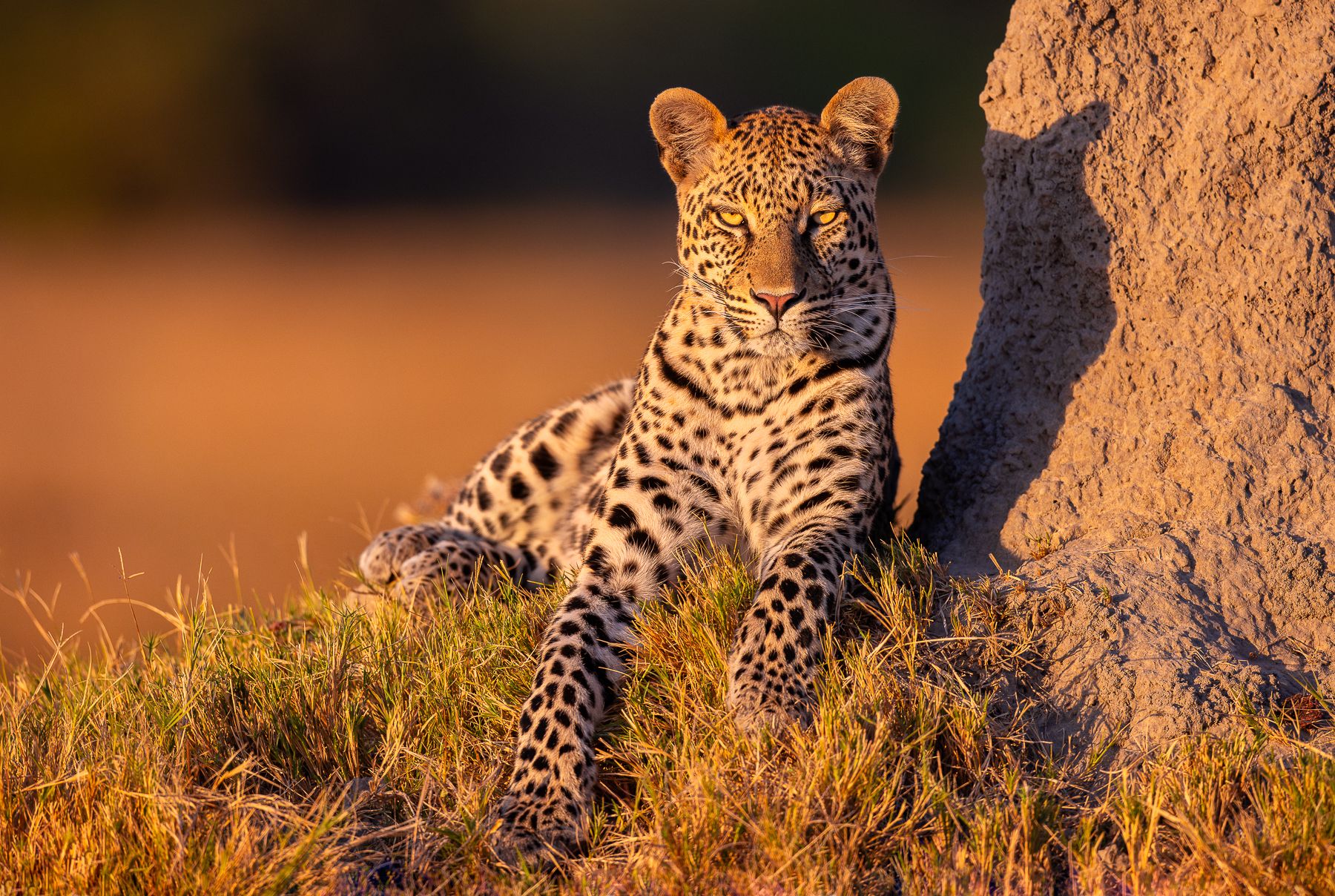 Safari Cost Guides
Safari Souvenir and Shopping Costs
Planning a safari? Learn about safari souvenir and shopping costs. Get expert advice and insights from Safari Intelligence to plan your perfect trip.
 Travel Logistics
Safari Airport Transfer Options Explained
Learn about safari airport transfer options explained and how it can impact your safari experience. Get expert advice and start planning your dream safari today.
 Travel Logistics
Safari Charter Flight Options Explained
Learn about safari charter flight options explained and how it can impact your safari experience. Get expert advice and start planning your dream safari today.
 Destination Guides
Complete Guide to Garden Route Safari Options
A complete guide to Complete Guide to Garden Route Safari Options. Learn about the wildlife, activities, and best time to visit this amazing destination.
 Safari Planning
Step-by-Step Guide to Planning an African Safari
Learn how to plan your first African safari with our step-by-step guide. We cover everything from choosing a destination to booking your trip and packing.