
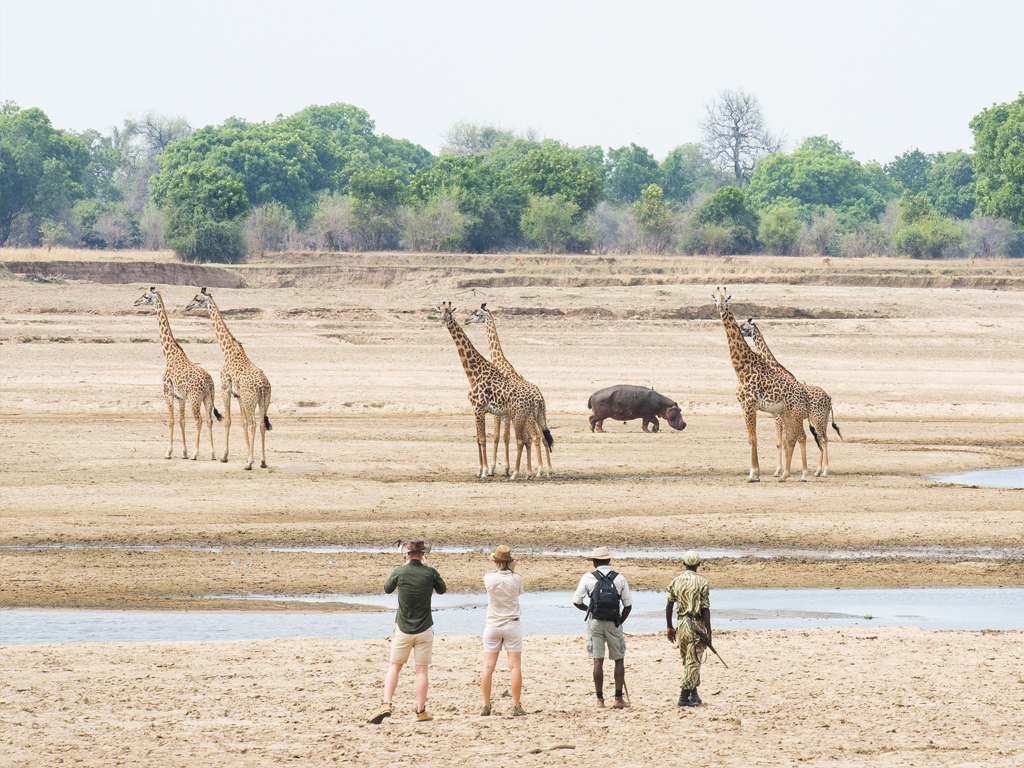
Discover the essentials of luxury safari dress code and etiquette for an unforgettable African safari adventure.
Luxury Safari Dress Code and Etiquette
One of the most common questions we receive from safari travelers relates to luxury safari dress code and etiquette. After helping hundreds of travelers plan their African adventures, we have compiled this detailed resource to address every aspect of this important topic.
Seasonal Factors and Timing: Luxury Safari Dress Code and Etiquette
Peak season brings excellent wildlife viewing but also higher prices and more crowded parks. Shoulder seasons offer a balance of good conditions and fewer crowds. Understanding how seasonal factors affect luxury safari dress code and etiquette helps you choose the optimal time for your specific priorities.
The timing of your safari significantly impacts luxury safari dress code and etiquette. Dry season months, typically June through October in most East African destinations, offer different conditions than the green season months of November through May. Each period has distinct advantages and considerations.
Weather patterns across Africa are becoming less predictable due to climate change, which adds another layer of consideration to luxury safari dress code and etiquette. Working with operators who have current, on-the-ground knowledge of conditions is more important than ever.
Still researching? Let us help.
Our advisory team has planned safaris across 9 African countries. We can turn your research into a real plan.
Talk to an AdvisorExpert Recommendations: Luxury Safari Dress Code and Etiquette
Budget considerations play an important role in luxury safari dress code and etiquette. While it is tempting to cut corners, experienced travelers consistently report that investing in quality where it matters most leads to significantly better outcomes. The key is knowing where to allocate your budget for maximum impact.
Working with a qualified safari planning guide can significantly improve your experience with luxury safari dress code and etiquette. Advisors who have personal experience in your chosen destinations can provide insights that no guidebook or website can match. They understand the subtle differences between properties, the best times to visit specific areas, and how to structure an itinerary that maximizes your time.
Safari advisors consistently recommend starting your planning process at least six to twelve months before your intended travel dates. This lead time allows you to secure preferred accommodations, take advantage of early booking rates, and properly prepare for all aspects of luxury safari dress code and etiquette.
Common Mistakes to Avoid
One of the most frequent mistakes travelers make with luxury safari dress code and etiquette is waiting too long to start planning. Popular safari destinations and lodges book up months in advance, especially during peak season. Last-minute planning often results in limited options and higher costs.
Underestimating the importance of luxury safari dress code and etiquette is perhaps the biggest mistake of all. Travelers who give this aspect of their safari proper attention consistently report more satisfying experiences than those who treat it as an afterthought.
Practical Planning Steps: Luxury Safari Dress Code and Etiquette
Step one in addressing luxury safari dress code and etiquette is to clearly define your priorities and expectations. Are you focused on specific wildlife sightings, cultural experiences, photography opportunities, or a combination? Your answer will shape every subsequent decision.
Step three is creating a detailed plan that accounts for all aspects of luxury safari dress code and etiquette. This should include timelines, budgets, backup options, and contingency plans. The most successful safari travelers are those who plan thoroughly while remaining flexible enough to adapt to changing conditions.
Step two involves researching your options thoroughly. Compare different destinations, operators, and approaches to luxury safari dress code and etiquette. Read reviews from verified travelers, consult with safari operators, and cross-reference information from multiple sources.
Done Reading? Let's Build Your Safari.
Skip the guesswork. Work with an advisor who has been on the ground across East and Southern Africa.
Plan With UsRelated Resources
For more information on planning your safari, explore our destination guides, browse the safari operator directory, or connect with an experienced safari planning guide for personalized guidance.
Deciphering "Smart Casual" for Evening Dinners
Many luxury safari lodges suggest a "smart casual" dress code for evening meals, a term that can feel ambiguous when packing. In the safari context, it strikes a balance between comfort, respect for the elegant lodge environment, and practicality. It does not mean you need a suit or cocktail dress. Instead, think of it as what you might wear for a relaxed dinner at an upscale restaurant back home.
For gentlemen, this typically includes chino trousers or smart linen pants, paired with a collared polo shirt or a button-down shirt. A lightweight sweater or fleece is often necessary as evenings in the bush can be cool, even in warmer seasons. For ladies, options include linen trousers, a stylish maxi skirt, or a simple dress, often paired with a pashmina, scarf, or light cardigan. The key is to look presentable and respectful of the communal dining experience without being overly formal. Most travelers change out of their dusty game-drive clothes before gathering for evening drinks and dinner, making it a pleasant ritual to mark the end of the day.
Essential Footwear: From Bush Walks to Boma Dinners
While the bulk of your safari is spent in a vehicle, choosing the right footwear is critical for comfort and safety during other activities. You'll need versatile shoes that can handle varied terrain and occasions.
- For Game Drives & General Wear: A closed-toe, comfortable shoe is essential. Lightweight trail runners or sturdy walking shoes are perfect. They provide support and protect your feet from dust, insects, and thorns around the lodge property.
- For Walking Safaris: If your itinerary includes bush walks, you will need footwear with a more robust sole and good ankle support. Lightweight hiking boots are ideal. They should be well broken-in before you travel to prevent blisters. The goal is to have quiet footing to avoid disturbing wildlife.
- For the Lodge & Evenings: It's a good idea to pack a separate, cleaner pair of shoes for evenings. For men, this could be a pair of loafers or desert boots. For women, stylish flats, sandals, or espadrilles work well. Avoid high heels, as you will likely be walking on uneven stone paths, wooden decks, or sand.
> Expert Insight: When on a walking safari, the color of your shoes matters. Avoid white or very bright colors, which can draw unwanted attention from wildlife. Neutral, earth-toned footwear is always the best choice to help you blend into the environment.
Advanced Tipping Guidelines for a Seamless Experience
Tipping is a customary way to show appreciation for excellent service on safari, but the etiquette can be confusing. While discretionary, it is a significant part of the compensation for lodge staff and guides. Most luxury lodges have a system in place to make it straightforward.
Typically, you will find a communal tip box at the main reception area. This is for all the general staff who contribute to your stay—including housekeeping, kitchen staff, waiters, and maintenance workers. A separate tip is usually given directly to your dedicated safari guide and, if applicable, your tracker.
As a general guideline, consider the following ranges (per couple, per day):
- Safari Guide: $20 - $30 USD
- Tracker: $10 - $15 USD
- General Staff (Communal Box): $20 - $30 USD
It is best to prepare for tipping by bringing sufficient cash (USD is widely accepted) and envelopes. Many travelers present their tips to the guide and tracker personally on the final game drive or at departure. For personalized advice tailored to your specific itinerary, you can always consult our safari operators.
Game Drive and Wildlife Viewing Etiquette
Your behavior on a game drive directly impacts the quality of your wildlife sightings and the experience of others. Professional guides will manage this, but being a mindful participant is crucial.
- Keep Voices Low: Wild animals are sensitive to sound. Speak in hushed tones to avoid startling them and causing them to flee. The quieter the vehicle, the more natural behavior you will witness.
- Avoid Sudden Movements: When animals are near, remain seated and avoid standing up or making abrupt movements. This can be perceived as a threat and may stress the animal or cause it to retreat.
- Patience is Key: A safari is not a zoo. There is no guarantee of seeing specific animals. Trust your guide's expertise and enjoy the entire ecosystem, from the smallest insects to the largest mammals. Every drive is a unique adventure.
- Ask Questions: Your guide is a font of knowledge. Engaging with them about animal behavior, conservation efforts, and the local ecology will enrich your experience far beyond just taking photos. For more on what to expect, explore our knowledge center.
By following these simple rules of etiquette, you contribute to a respectful and sustainable wildlife tourism model that protects the animals and ensures incredible sightings for years to come.
Need Expert Safari Guidance?
Get expert advisory support from a firm founded by a former safari guide — with real operational knowledge across 9 African countries and full-journey accountability.
Related Planning Guides
Recommended Reading
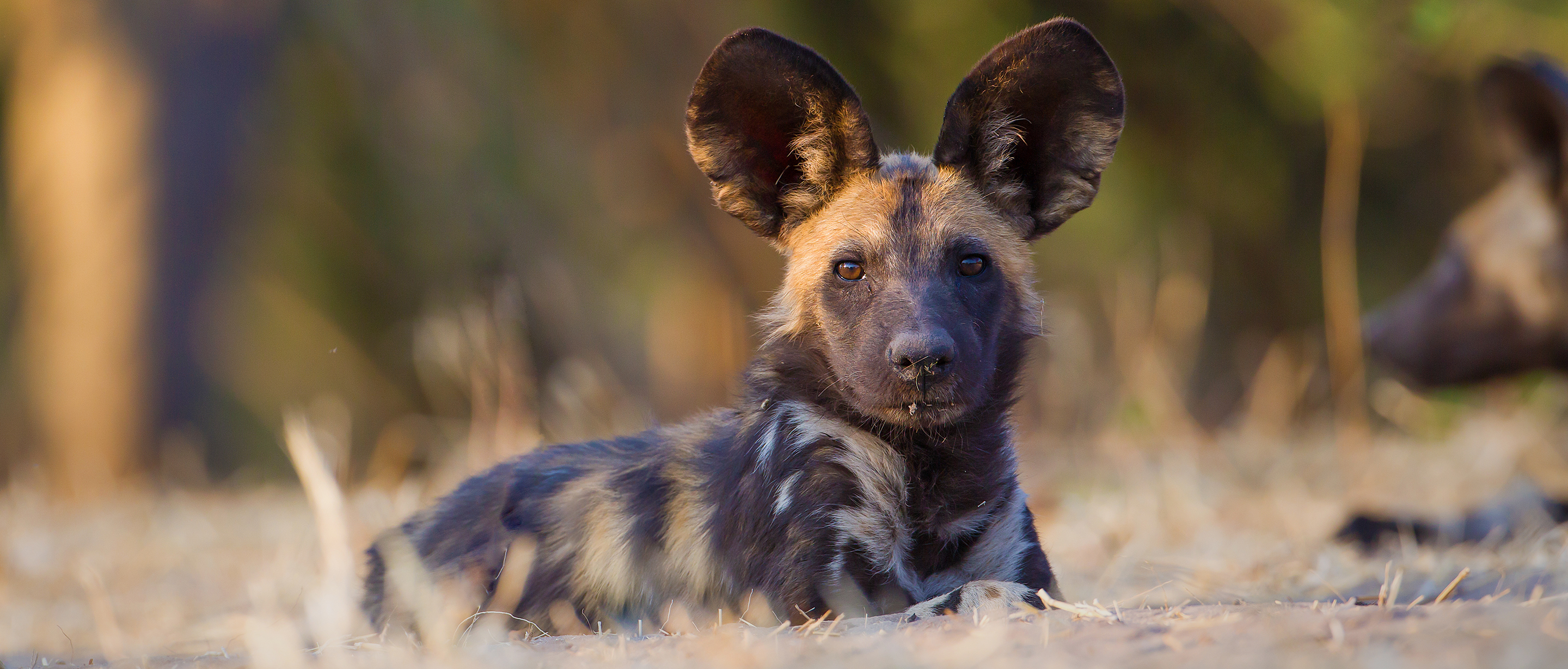 Luxury Safari Content
Top 10 Luxury Safari Lodges in South Africa
A comprehensive guide to Top 10 Luxury Safari Lodges in South Africa. Learn everything you need to know for your safari adventure.
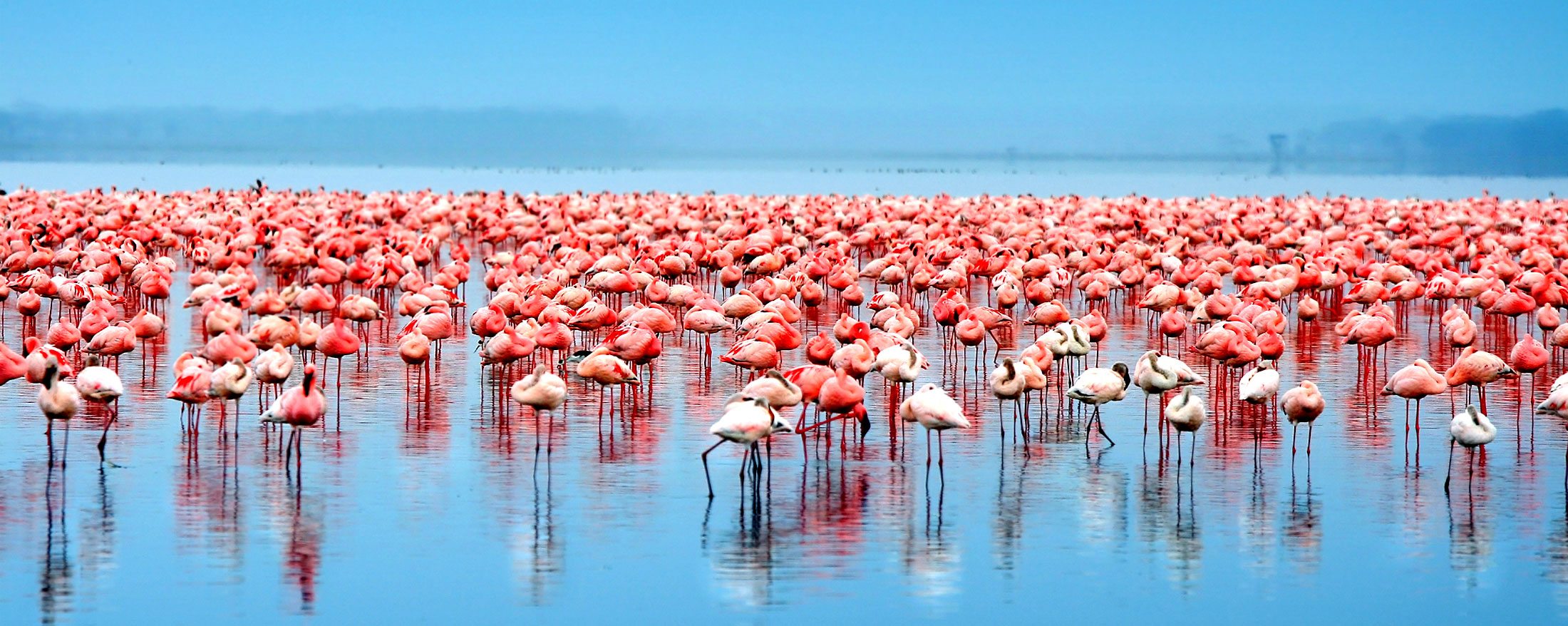 Luxury Safari Content
What Defines a Luxury Safari Experience
A comprehensive guide to What Defines a Luxury Safari Experience. Learn everything you need to know for your safari adventure.
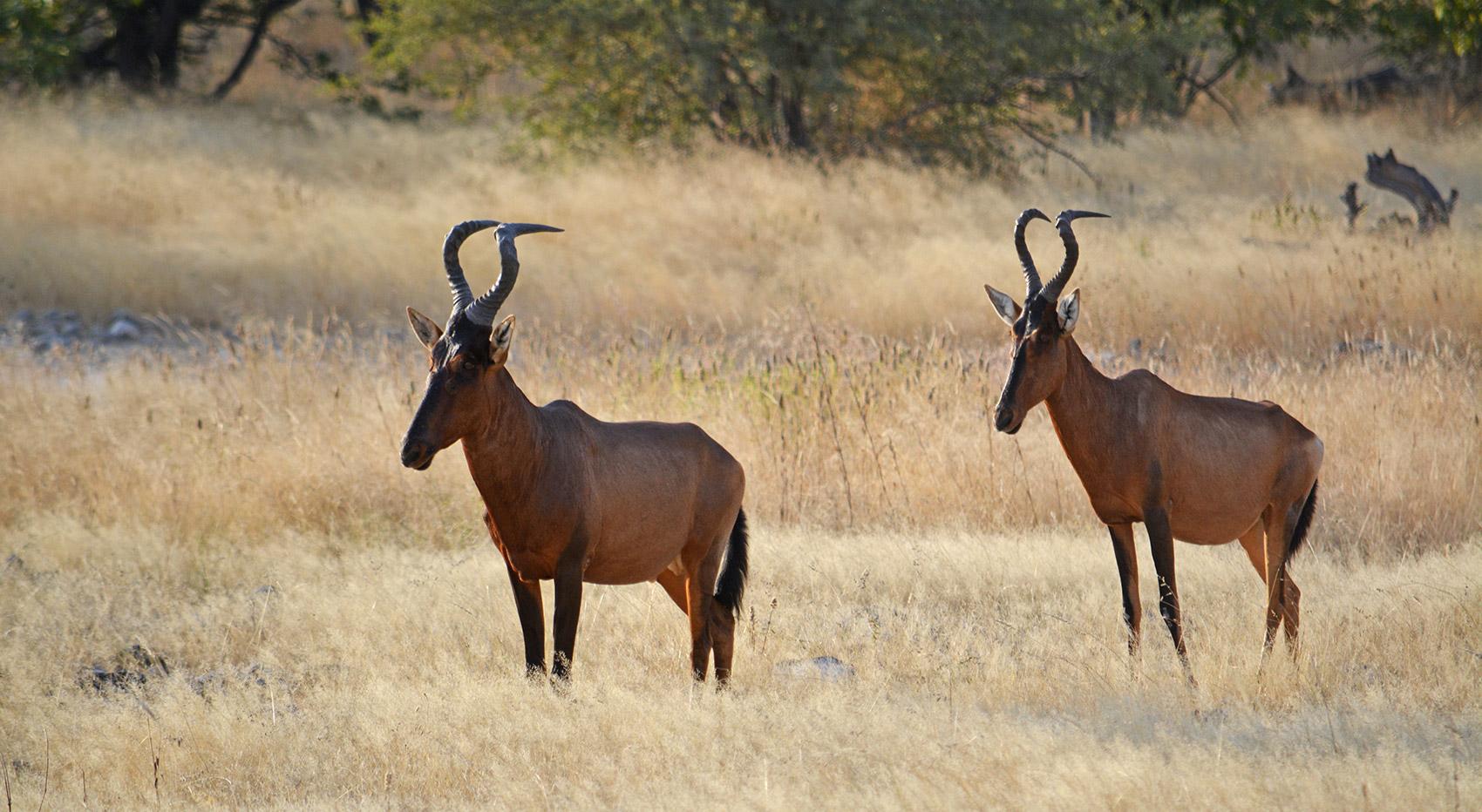 Luxury Safari Content
Top 10 Luxury Safari Lodges in Tanzania
A comprehensive guide to Top 10 Luxury Safari Lodges in Tanzania. Learn everything you need to know for your safari adventure.
 Safari Costs
Budget Safari vs Luxury Safari Costs
Discover the key cost differences between budget and luxury safaris, from accommodation and guiding to game drives and locations, to choose the right trip for you.
 Luxury Safaris
What Is a Luxury African Safari
Discover what defines a luxury African safari, from exclusive lodges and private guides to unique wildlife encounters. Plan your ultimate safari adventure.
 Luxury Safaris
Top Luxury Safari Lodges in Africa
Discover the top luxury safari lodges in Africa. Our expert guide reviews the best lodges in Kenya, Tanzania, Botswana, and more for your dream safari.