
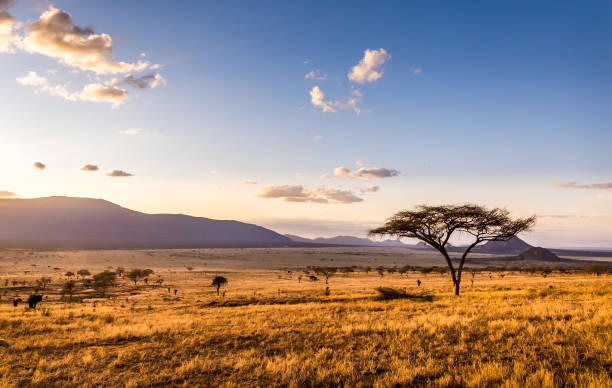
Learn about how safari operators market their services and how it can impact your safari experience. Get expert advice and start planning your dream safari today.
How Safari Operators Market Their Services
This is the content for the article: How Safari Operators Market Their Services.
This article is in the category: Safari Operator Articles.
Here are some internal links:
The Digital Shift: From Glossy Brochures to Global Reach
Not long ago, the safari industry relied on glossy brochures, print advertisements in travel magazines, and word-of-mouth referrals. While these channels still hold some value, the marketing landscape has been fundamentally reshaped by the internet. Today, a safari operator's most critical marketing tool is a well-crafted digital presence. This shift has democratized the market to some extent, allowing smaller, boutique operators to compete with established giants, but it has also created a dizzying array of choices for travelers.
A professional, user-friendly website is the cornerstone of modern safari marketing. It serves as a digital storefront where potential clients can explore itineraries, view galleries of stunning wildlife photography, and learn about the company's philosophy. Operators invest heavily in search engine optimization (SEO) to ensure their websites appear at the top of Google search results for keywords like "luxury Kenya safari" or "affordable Tanzania migration safari."
> Expert Insight: Sophisticated operators use long-tail keywords to attract highly qualified customers. For instance, instead of just "Serengeti safari," they might target "family-friendly Serengeti safari in September" to connect with a specific audience. This signals a deeper understanding of their client base and a more strategic approach to marketing.
Still researching? Let us help.
Our advisory team has planned safaris across 9 African countries. We can turn your research into a real plan.
Talk to an AdvisorThe Power of Partnerships: Agents, Aggregators, and DMCs
Despite the rise of direct-to-consumer online booking, partnerships remain a vital marketing channel. Many travelers still prefer the security and guidance of a trusted agent. Safari operators cultivate relationships with two main types of partners:
- Overseas Agents: These are travel agencies in the traveler's home country. They act as a local point of contact and often specialize in a particular type of travel, such as adventure or luxury. Operators work closely with these agents, providing them with training, marketing materials, and competitive commission rates.
- Online Travel Agencies (OTAs) and Aggregators: Platforms like SafariBookings, BookAllSafaris, and even TripAdvisor have become powerful intermediaries. They allow travelers to compare hundreds of operators and itineraries in one place. While these platforms provide immense visibility, they also charge significant commissions, which can drive up the final price for the consumer. Operators must carefully balance the benefits of visibility with the cost of using these platforms.
A key player often hidden from the consumer is the Destination Management Company (DMC). DMCs are ground operators based in the safari destination. They often handle the logistics for multiple international tour companies, providing vehicles, guides, and local expertise. Many of the "brand name" safari companies you see marketed in the US or Europe are essentially marketing fronts that rely on a network of DMCs to deliver the actual on-the-ground experience. Understanding this structure can help you ask more pointed questions when planning your safari.
Content as the Lure: Selling the Dream
In the experience economy, content is the most powerful currency. Safari operators are not just selling a trip; they are selling a dream, an adventure, and a connection to the wild. The most effective marketing captures this magic through compelling storytelling.
High-resolution photography and videography are non-negotiable. An operator's Instagram feed, YouTube channel, and website galleries are their primary tools for inspiring wanderlust. The quality of these visuals often reflects the quality of the safari experience itself. Look for authentic, well-composed shots that tell a story, rather than just generic wildlife photos.
Blogs and articles published on the operator's website serve a dual purpose. They are a powerful SEO tool, helping the site rank for a wide range of search terms, and they establish the operator as an authority. A well-maintained blog with articles on topics like "The Best Time to Visit the Okavango Delta" or "A Guide to Ethical Wildlife Encounters" demonstrates deep knowledge and a commitment to educating travelers. This is a core part of our mission at the knowledge center.
> Traveler's Tip: Pay attention to the type of content an operator shares. Are they showcasing their guides' expertise? Are they highlighting their conservation efforts? Or is the focus purely on luxury lodges and champagne sundowners? The content an operator produces is a strong indicator of their values and priorities.
Decoding Marketing Messages: A Guide for the Savvy Traveler
With so much marketing noise, it can be challenging to distinguish genuine expertise from clever sales tactics. Here are a few things to watch out for:
- Over-the-top promises: Be wary of operators guaranteeing specific wildlife sightings. While they can predict general patterns, wild animals are unpredictable. Authentic operators will be transparent about the chances of seeing certain animals.
- Vague Itineraries: A quality operator will provide a detailed day-by-day itinerary, including specific lodges or camps, travel times between locations, and included activities. If an itinerary is vague, it may be a sign that they are using lower-quality accommodations or cutting corners.
- Pressure to book immediately: High-pressure sales tactics are a red flag. A reputable operator will give you the time and information you need to make an informed decision. Our safari operators are trained to provide guidance, not pressure.
- Unbelievably low prices: If a price seems too good to be true, it probably is. The safari industry has high operational costs, including park fees, vehicle maintenance, and guide salaries. An unusually low price may indicate that the operator is compromising on safety, quality, or ethical standards. Use our cost calculator to get a realistic estimate for your desired trip.
Ultimately, the most effective marketing is built on a foundation of trust and transparency. By understanding how safari operators market their services, you can become a more discerning traveler and choose a company that aligns with your values and expectations. When you're ready to cut through the noise, our team is here to help you plan your safari with confidence.
Need Expert Safari Guidance?
Get expert advisory support from a firm founded by a former safari guide — with real operational knowledge across 9 African countries and full-journey accountability.
Related Planning Guides
Recommended Reading
 Safari Operator Articles
International Safari Operators vs Local Safari Operators
A comparison of international and local safari operators to help you decide which is the right choice for your African safari.
 Safari Operator Articles
Large Safari Operators vs Small Safari Operators
A comparison of large and small safari operators to help you decide which is the right fit for your African safari adventure.
 Safari Operator Articles
Specialist Safari Operators vs General Safari Operators
A comparison of specialist and general safari operators to help you choose the right type of operator for your specific interests.
 Safari Comparison Articles
Safari With International Operator vs Local Operator
An in-depth comparison of Safari With International Operator vs Local Operator to help you choose the perfect safari experience. Explore the pros, cons, and key
 Safari Planning
How to Choose a Safari Operator
Learn how to choose a reputable African safari operator with our expert guide. We cover vetting companies, questions to ask, and understanding safari costs.
 Safari Intelligence Insights
How Safari Operators Work
Understand how safari operators work, from local DMCs to planners and lodges. Learn the roles of each and how to choose the right partners for your African safari.