
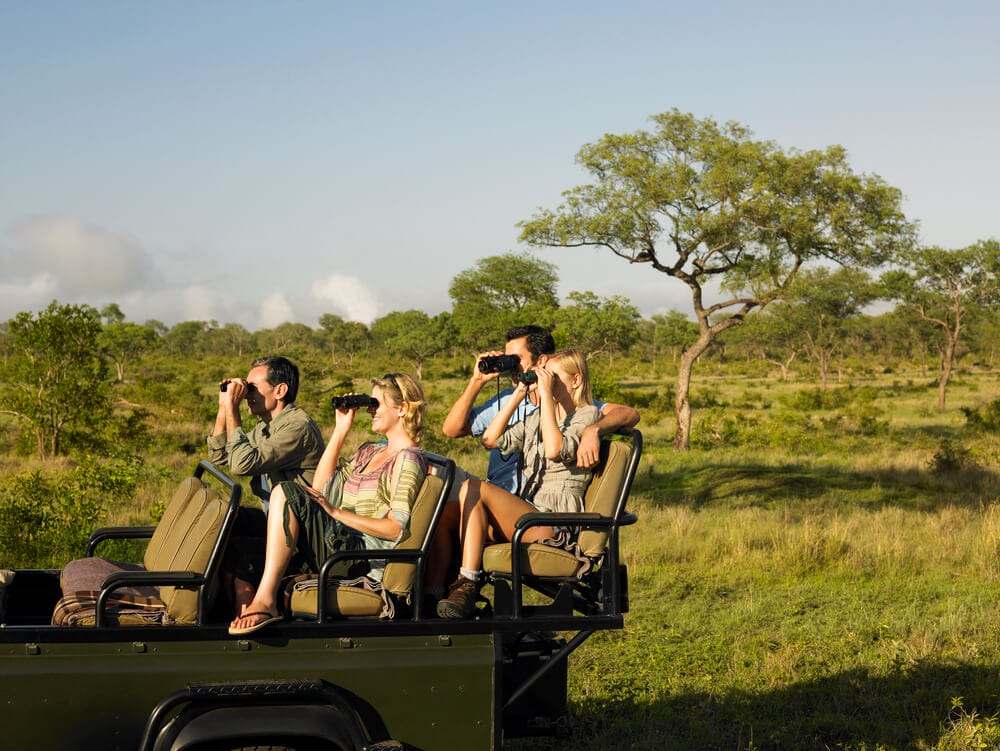
Planning a safari? Learn about safari meal costs and dining expenses. Get expert advice and insights from Safari Intelligence to plan your perfect trip.
All-Inclusive vs. Full-Board
Most safari lodges and camps offer either an all-inclusive or a full-board meal plan. Full-board typically includes breakfast, lunch, and dinner. All-inclusive usually includes all meals, as well as local drinks (both alcoholic and non-alcoholic). It's important to understand what is included to avoid unexpected costs. Our safari operators can clarify the meal plan at your chosen accommodation.
Dining in Cities and Towns
If your itinerary includes stays in cities or towns, you will likely have to pay for your own meals. This gives you the opportunity to try local restaurants and cuisine. The cost of dining out can vary greatly, from budget-friendly local eateries to high-end restaurants. Our knowledge center has some recommendations for dining in popular safari hubs.
Still researching? Let us help.
Our advisory team has planned safaris across 9 African countries. We can turn your research into a real plan.
Talk to an AdvisorSpecial Dietary Requirements
Safari lodges and camps are generally very accommodating of special dietary requirements, such as vegetarian, vegan, gluten-free, or allergies. It is essential to inform your safari operator or lodge in advance so they can make the necessary arrangements. There is usually no extra charge for special meals. For more on planning your safari, visit our destinations page.
Deconstructing Safari Meal Plans: All-Inclusive, Full-Board, and Beyond
Understanding the terminology used by safari lodges is crucial for managing your budget and expectations. Most safari packages are structured around specific meal plans, and the right choice depends entirely on your travel style, budget, and desire for flexibility. The most common options are All-Inclusive, Full-Board, and Bed & Breakfast.
All-Inclusive: This is the most comprehensive and often most expensive option. An all-inclusive plan typically covers all meals (breakfast, lunch, and dinner), all drinks (including local beers, house wines, and spirits), and often some activities like game drives. The primary advantage is cost certainty; you know the bulk of your expenses upfront, with few surprise bills at checkout. This is ideal for travelers who want a seamless, worry-free experience and plan to spend most of their time at the lodge.
Full-Board: This plan includes three meals a day (breakfast, lunch, and dinner) but excludes drinks. You will pay separately for all beverages, including bottled water in some cases, soft drinks, and alcoholic beverages. Full-board is a great middle-ground, offering the convenience of pre-planned meals while giving you more control over your beverage costs. It suits travelers who are not heavy drinkers or prefer premium spirits and wines not typically included in all-inclusive packages.
Bed & Breakfast (B&B): Common in city hotels and guest houses in hubs like Nairobi or Arusha, this option includes only your first meal of the day. It offers the most flexibility, allowing you to explore local restaurants for lunch and dinner. This is an excellent choice for adventurous eaters and those on a tighter budget who want to experience the local culture through its cuisine. However, it requires more planning and can sometimes lead to higher overall costs if you dine at expensive establishments.
> Expert Insight: When choosing a meal plan, consider your itinerary. If you have long-day excursions or will be transferring between locations, a packed lunch from your lodge (often included in Full-Board and All-Inclusive plans) is a huge convenience. Our safari operators can help you analyze different lodge offerings to see which plan best fits your trip.
A Closer Look at Beverage Costs
For those on Full-Board or B&B plans, beverage costs can add up quickly. Prices vary significantly between remote lodges and city restaurants. At a mid-range to luxury safari camp, you can expect to pay:
- Bottled Water: $2 - $4 USD per liter. Many lodges now offer filtered water for free to reduce plastic waste.
- Soft Drinks (Soda): $3 - $5 USD
- Local Beer: $5 - $8 USD
- Glass of House Wine: $8 - $12 USD
- Bottle of Imported Wine: $40 - $100+ USD
In contrast, purchasing these items in a supermarket in a city like Arusha or Nairobi would be a fraction of the cost. A local beer might only cost $2-$3, and a bottle of wine could start at $15. Planning ahead can lead to significant savings.
> Traveler's Tip: Always drink the filtered water provided by reputable lodges in your room and at the dinner table. It is perfectly safe and helps reduce your environmental footprint. Carry a reusable water bottle to refill throughout the day.
Done Reading? Let's Build Your Safari.
Skip the guesswork. Work with an advisor who has been on the ground across East and Southern Africa.
Plan With UsDining in Cities: A Budget Breakdown
Your dining expenses will differ greatly when you are in a gateway city compared to being deep in the bush. Cities like Nairobi, Entebbe, and Arusha offer a wide spectrum of dining experiences, from local street food to world-class fine dining. Here’s a general guide to what you can expect to pay per person for a meal:
- Budget Local Eatery: $5 - $10 USD. This is where you can find authentic local dishes like nyama choma (grilled meat) in Kenya or ugali with stew. It’s a fantastic way to experience the local culture, but always prioritize establishments that look clean and are popular with locals.
- Mid-Range Restaurant: $15 - $30 USD. These restaurants cater to a mix of locals and tourists, offering a variety of cuisines in a comfortable setting. Many hotels and smaller lodges fall into this category.
- Fine Dining Restaurant: $50 - $100+ USD. In major hubs, you can find high-end restaurants offering sophisticated menus, extensive wine lists, and impeccable service. This is a great option for a special occasion or a final celebration dinner at the end of your safari.
Exploring the local dining scene is a highlight for many travelers. For more ideas, our knowledge center offers guides on the best restaurants in key safari cities.
Tipping Etiquette for Dining on Safari
Tipping is a customary practice in the service industry across Africa, and it is an important way to show appreciation for good service. However, the approach can differ from what you are used to at home.
At safari lodges and camps, it is common practice to leave a collective tip at the end of your stay rather than tipping individual staff members after each meal. Most lodges will have a "staff tip box" at the reception. The collected amount is then distributed fairly among all staff, including the kitchen and cleaning teams who work hard behind the scenes.
- General Lodge Staff: A good guideline is to tip $10 - $20 USD per guest, per day.
- Private Guide: Your safari guide is tipped separately. A typical amount is $15 - $25 USD per guest, per day.
In city restaurants, a service charge is often included in the bill. If not, a tip of 10-15% is standard for good service. When in doubt, don’t hesitate to ask your safari guide or a trusted local for advice. When you plan your safari with us, we provide a detailed tipping guide in your pre-departure documents.
Need Expert Safari Guidance?
Get expert advisory support from a firm founded by a former safari guide — with real operational knowledge across 9 African countries and full-journey accountability.
Related Planning Guides
Recommended Reading
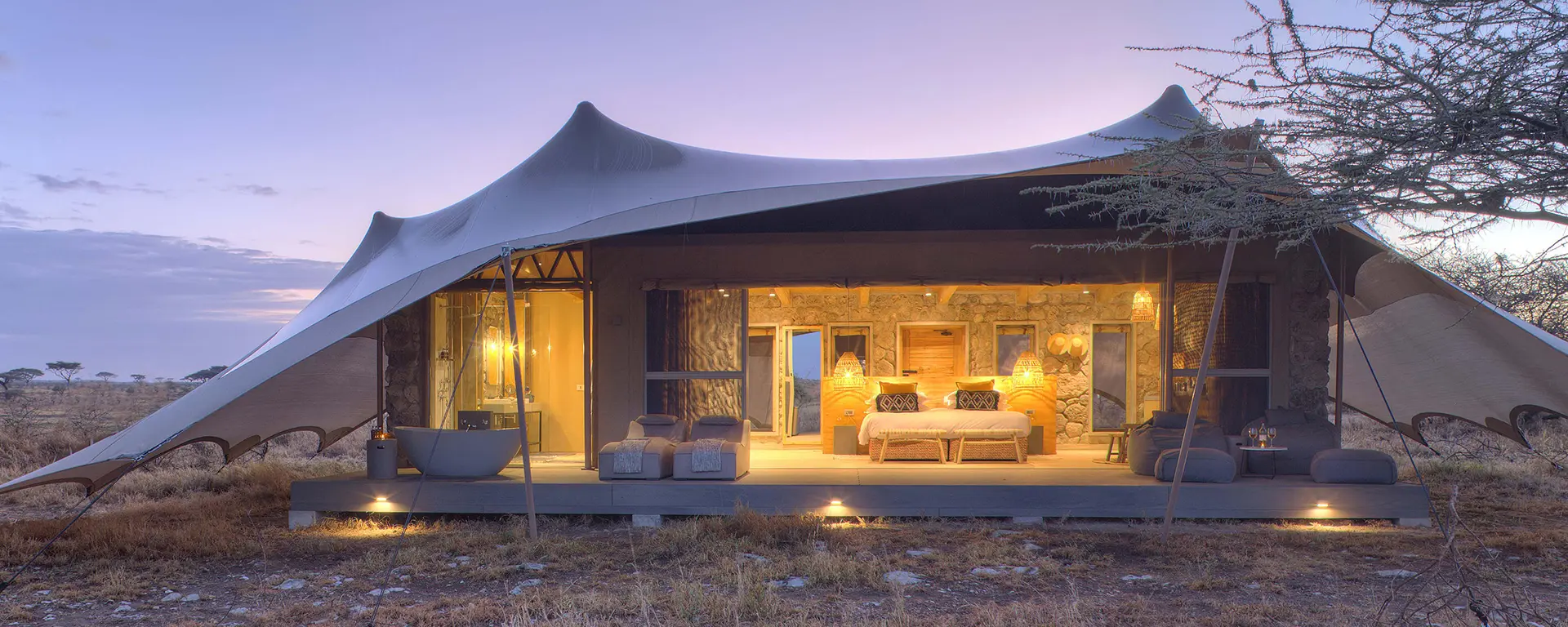 Safari Cost Guides
Safari Lodge Costs by Country Comparison
Planning a safari? Learn about safari lodge costs by country comparison. Get expert advice and insights from Safari Intelligence to plan your perfect trip.
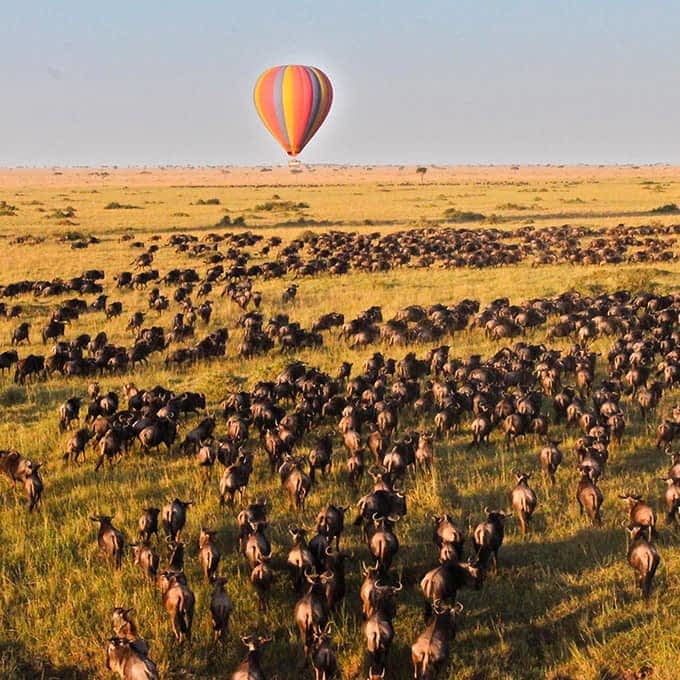 Safari Cost Guides
Safari Camp Costs by Country Comparison
Planning a safari? Learn about safari camp costs by country comparison. Get expert advice and insights from Safari Intelligence to plan your perfect trip.
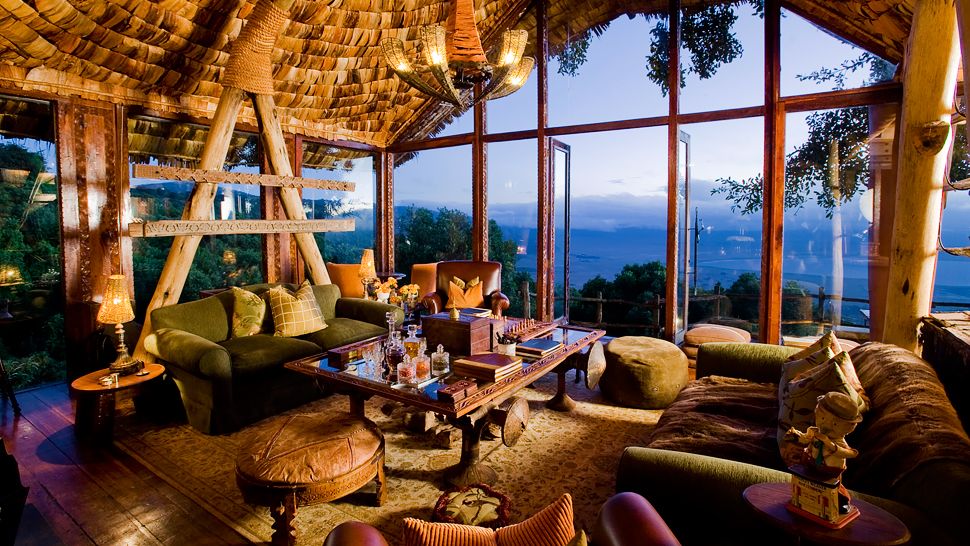 Safari Cost Guides
Safari Flight Costs Within Africa
Planning a safari? Learn about safari flight costs within africa. Get expert advice and insights from Safari Intelligence to plan your perfect trip.
 Safari Costs
Budget Safari vs Luxury Safari Costs
Discover the key cost differences between budget and luxury safaris, from accommodation and guiding to game drives and locations, to choose the right trip for you.
 Safari Costs
Hidden Safari Costs Travelers Should Know
Discover the hidden costs of an African safari. Our guide covers unexpected expenses like flights, visas, tips, and optional activities to help you budget.
 Safari Costs
Lodge Pricing vs Mobile Safari Costs
Explore the cost differences between safari lodges and mobile safaris. This guide compares pricing, value, and experiences to help you choose the right safari.