

Discover the essentials of luxury safari cancellation policies for an unforgettable African safari adventure.
Luxury Safari Cancellation Policies
Understanding luxury safari cancellation policies can make the difference between a good safari and an extraordinary one. This guide combines insider knowledge with practical advice to ensure you are fully prepared.
Making the Most of Your Experience
Photography enthusiasts should pay special attention to luxury safari cancellation policies as it relates to their equipment and technique. The lighting conditions, distances, and movement patterns of African wildlife create unique challenges and opportunities that benefit from advance preparation.
Finally, remember that a safari is more than just wildlife viewing. The cultural experiences, landscapes, and personal connections you make along the way are equally valuable. Approaching luxury safari cancellation policies with this broader perspective will enrich your entire journey.
Still researching? Let us help.
Our advisory team has planned safaris across 9 African countries. We can turn your research into a real plan.
Talk to an AdvisorUnderstanding the Fundamentals: Luxury Safari Cancellation Policies
The foundation of luxury safari cancellation policies begins with understanding the basic principles. Safari environments across Africa present unique conditions that differ significantly from what most travelers are accustomed to. In East Africa, the vast savannas of Kenya and Tanzania create one set of considerations, while the dense forests of Uganda and Rwanda present entirely different challenges. Southern African destinations like Botswana and South Africa add yet another dimension.
Experienced safari operators emphasize that preparation is the single most important factor in luxury safari cancellation policies. This means doing your research well in advance, consulting with knowledgeable advisors, and being willing to adapt your plans based on current conditions. The best safari experiences come from travelers who approach their journey with both enthusiasm and informed flexibility.
Safety and Health Considerations: Luxury Safari Cancellation Policies
Safety is paramount when it comes to luxury safari cancellation policies on safari. Reputable operators maintain strict safety protocols and employ experienced guides who are trained to handle a wide range of situations. Always verify that your chosen operator has proper licensing, insurance, and safety certifications.
Health preparation is an essential component of luxury safari cancellation policies. Consult with a travel medicine specialist at least six weeks before your departure to discuss vaccinations, malaria prophylaxis, and other health precautions specific to your destinations.
Regional Considerations Across Africa
East African safaris, particularly in Kenya and Tanzania, have their own distinct approach to luxury safari cancellation policies. The Serengeti-Mara ecosystem, which hosts the Great Migration, requires specific planning considerations that differ from destinations like Amboseli or Ngorongoro. Understanding these regional differences is crucial for optimizing your experience.
Southern Africa presents a different landscape for luxury safari cancellation policies. Countries like Botswana, South Africa, Namibia, and Zimbabwe each have established infrastructure and practices that reflect their unique environments. The Okavango Delta, for instance, requires water-based considerations that land-based safaris in Kruger National Park do not.
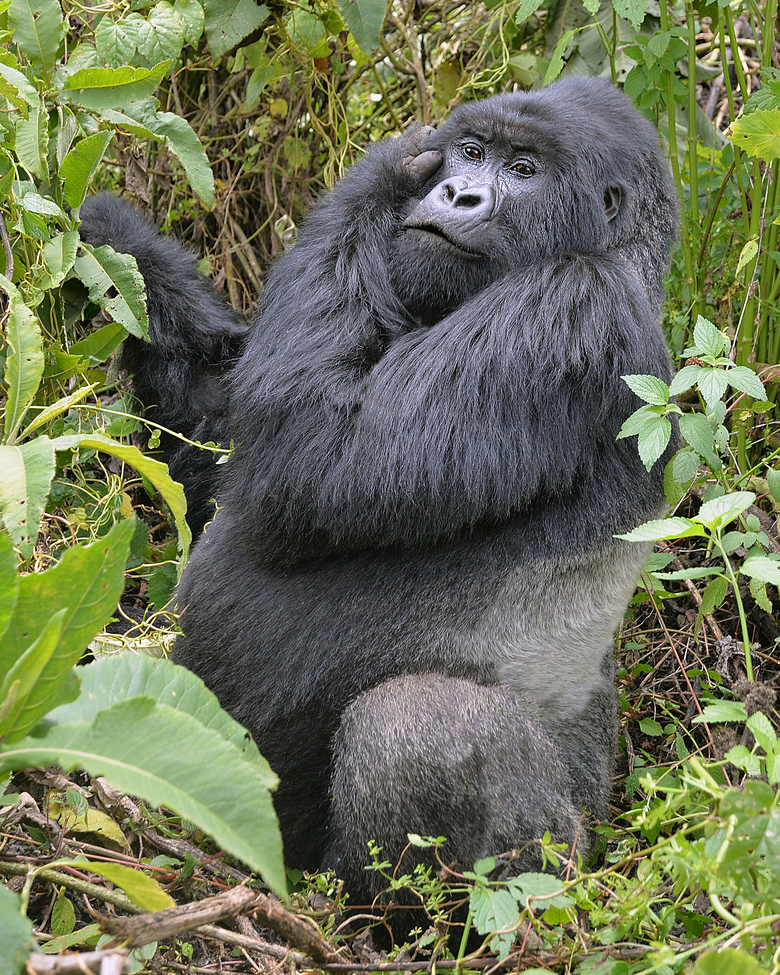
Central and West African destinations, including Uganda, Rwanda, and the Congo, offer specialized experiences like gorilla trekking that bring their own set of requirements. These destinations often involve more challenging terrain and different logistical considerations compared to the classic savanna safari.
Done Reading? Let's Build Your Safari.
Skip the guesswork. Work with an advisor who has been on the ground across East and Southern Africa.
Plan With UsRelated Resources
For more information on planning your safari, explore our destination guides, browse the safari operator directory, or connect with an experienced safari planning guide for personalized guidance.
Understanding "Force Majeure" in Your Safari Contract
A term you will undoubtedly encounter in any safari booking contract is "Force Majeure," a French phrase meaning "superior force." In a legal context, this clause frees both parties (you and the safari operator) from liability or obligation when an extraordinary event or circumstance beyond their control prevents one or both parties from fulfilling their obligations. Understanding its implications is critical, as it directly impacts your rights in a cancellation scenario.
Typically, force majeure events include:
- Natural Disasters: Earthquakes, floods, volcanic eruptions, or extreme weather events that make travel impossible or unsafe.
- Political and Civil Unrest: War, terrorism, coups, or widespread civil strife in the destination country.
- Pandemics and Epidemics: Global or regional health crises that lead to border closures, travel bans, or government advisories against travel.
- Government Actions: Unexpected government regulations, travel advisories, or the closure of national parks and borders.
> Expert Insight: A key point of contention often lies in what is not covered. For instance, a personal medical emergency or a change in your financial situation would not typically qualify as a force majeure event. This is where travel insurance becomes your primary safety net. The definition of a force majeure event is determined by the operator's policy, so it is essential to read the fine print before booking.
When a force majeure event is declared, the operator’s cancellation policy will dictate the outcome. Some may offer a full refund, while others might provide a credit for future travel. The most reputable luxury operators tend to offer flexible solutions, such as postponing the trip with minimal or no financial penalty. This is a crucial aspect to clarify before you plan your safari.
The Critical Role of Comprehensive Travel Insurance
While a safari operator's cancellation policy provides a certain level of protection, it is not a substitute for comprehensive travel insurance. No luxury safari should be undertaken without it. The right insurance plan is your ultimate financial safeguard against the unforeseen, covering gaps that operator policies do not.
When selecting a policy, ensure it includes robust coverage for the following:
- Trip Cancellation & Interruption: This is the cornerstone of any good travel insurance policy. It reimburses you for prepaid, non-refundable trip costs if you have to cancel for a covered reason. These reasons can range from a sudden illness or injury to a family emergency or job loss. Trip interruption coverage protects you if you need to cut your safari short and return home unexpectedly.
- Medical Evacuation and Repatriation: In the remote wilderness of Africa, access to advanced medical care can be hours away by air. Medical evacuation coverage is non-negotiable. It covers the high cost of emergency transportation to a suitable medical facility, which can easily run into tens of thousands of dollars. Ensure your policy has a minimum of $100,000 in evacuation coverage, though $250,000 or more is recommended for remote destinations.
- Emergency Medical Expenses: Should you fall ill or get injured on your trip, this covers hospital bills, doctor's fees, and medication. Your standard health insurance from home is often not accepted or provides limited coverage abroad.
- "Cancel for Any Reason" (CFAR) Upgrade: As the name suggests, a CFAR add-on offers the highest level of flexibility. It allows you to cancel your trip for any reason not otherwise covered by your base policy and receive a partial refund (typically 50-75% of your non-refundable trip cost). This is the ultimate protection against events that fall outside the strict definitions of a standard policy, such as fear of travel due to a distant political event or a personal change of heart. It comes at a premium, but for a significant investment like a luxury safari, the peace of mind can be invaluable.
> Traveler's Tip: When purchasing insurance, pay close attention to the policy's look-back period for pre-existing medical conditions. Many policies waive this exclusion if you purchase the plan within a specific window (e.g., 14-21 days) of making your initial trip deposit. Always declare any pre-existing conditions to avoid claim denial.
How Cancellation Policies Differ by Safari Type
Not all safaris are created equal, and their cancellation terms often reflect their unique logistical complexities. The policies for a classic savanna safari in Kenya's Maasai Mara will differ significantly from those for a gorilla trekking expedition in Rwanda or a mobile camping safari in Botswana's Okavango Delta. Understanding these distinctions is key to managing your expectations and financial risk.
| Safari Type | Key Characteristics | Typical Cancellation Policy Features | | :--- | :--- | :--- | | Classic Lodge/Camp Safari | Stays at permanent lodges or tented camps in popular reserves like the Serengeti or Kruger National Park. | More standardized and often more flexible. Operators may have a tiered refund system (e.g., 90% refund if you cancel 120+ days out, 50% for 60-119 days, etc.). Greater potential for re-booking or postponement. | | Gorilla & Chimpanzee Trekking | Involves permits for highly regulated activities in Uganda, Rwanda, or the Republic of the Congo. | Very strict and often non-refundable. Gorilla permits, in particular, are booked months in advance, are non-transferable, and are rarely refunded by the park authorities. Cancellation often means forfeiting the full cost of the permit ($1,500 per person in Rwanda, for example). | | Mobile & Fly-In Safaris | Involves complex logistics, charter flights, and temporary camps set up in remote, exclusive-use areas. Common in Botswana and remote parts of Tanzania. | These trips carry higher financial commitments and stricter cancellation terms. Charter flights are often non-refundable, and the costs of mobilizing a private camp are incurred long before the trip begins. Cancellation penalties are typically higher and kick in earlier than with lodge-based safaris. |
> Expert Insight: When booking a multi-faceted trip that combines different safari types, such as a Serengeti safari followed by gorilla trekking in Rwanda, be aware that you will be subject to multiple cancellation policies. The terms for the gorilla trekking portion will almost certainly be stricter than the rest of your itinerary. A detailed conversation with your safari planning guide is essential to understand how each component of your trip is protected.
Need Expert Safari Guidance?
Get expert advisory support from a firm founded by a former safari guide — with real operational knowledge across 9 African countries and full-journey accountability.
Related Planning Guides
Recommended Reading
 Safari Cost Guides
Safari Cancellation Policies Explained
Learn about safari cancellation policies explained in this comprehensive safari guide covering key insights and practical advice.
 Safari Operator Articles
Safari Operator Cancellation Policies Compared
Learn about safari operator cancellation policies compared and how it can impact your safari experience. Get expert advice and start planning your dream safari today.
 Luxury Safari Content
Top 10 Luxury Safari Lodges in South Africa
A comprehensive guide to Top 10 Luxury Safari Lodges in South Africa. Learn everything you need to know for your safari adventure.
 Luxury Safari Content
What Defines a Luxury Safari Experience
A comprehensive guide to What Defines a Luxury Safari Experience. Learn everything you need to know for your safari adventure.
 Luxury Safari Content
Top 10 Luxury Safari Lodges in Tanzania
A comprehensive guide to Top 10 Luxury Safari Lodges in Tanzania. Learn everything you need to know for your safari adventure.
 Safari Costs
Budget Safari vs Luxury Safari Costs
Discover the key cost differences between budget and luxury safaris, from accommodation and guiding to game drives and locations, to choose the right trip for you.