
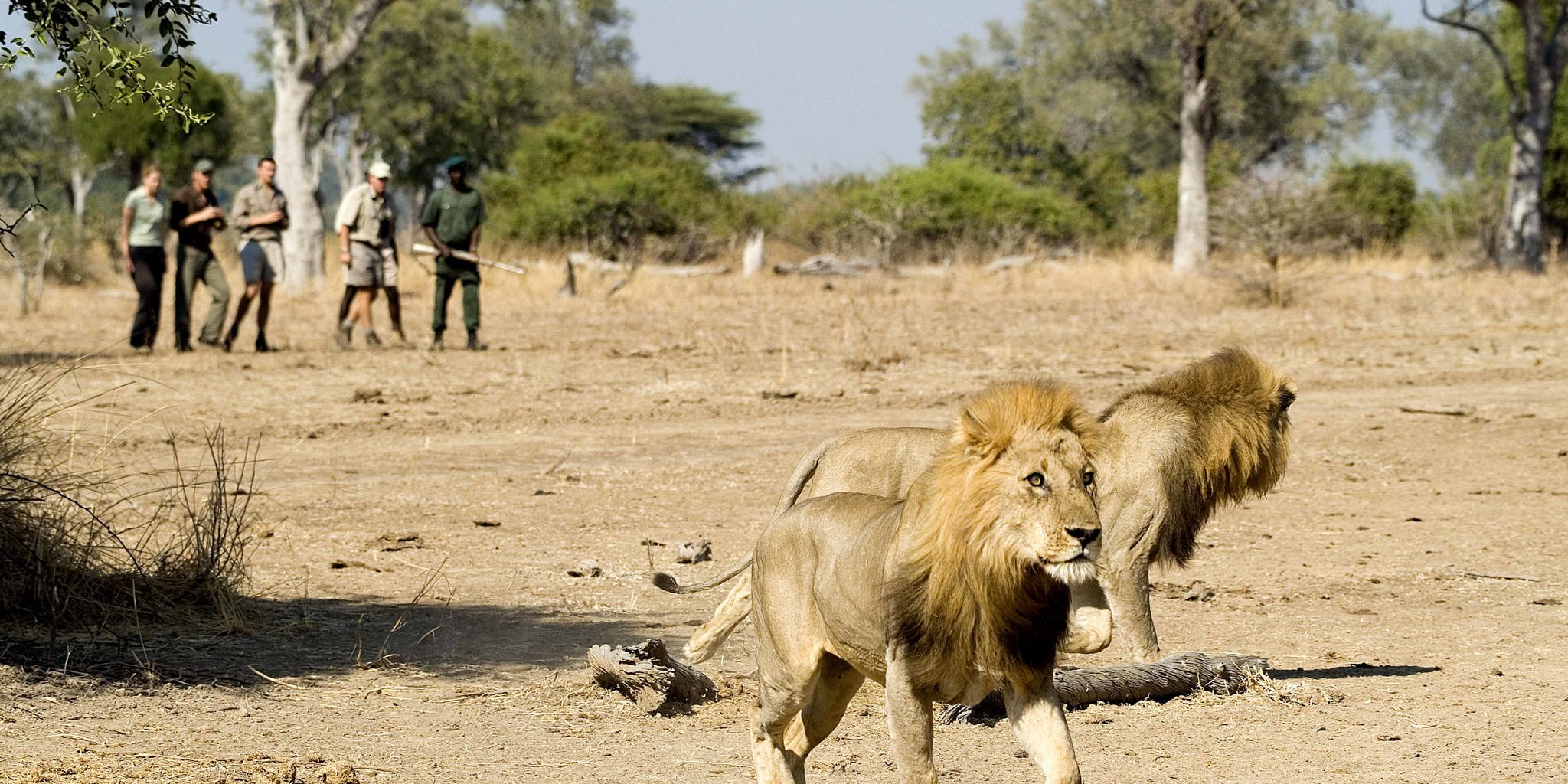
A complete guide to Complete Guide to Pemba Island. Learn about the wildlife, activities, and best time to visit this amazing destination.
A Lush and Untouched Paradise
Pemba Island, known as the "Green Island," is a lush and hilly island that is far less developed than its neighbor, Zanzibar. Its rolling hills are covered in clove plantations, and its coastline is fringed with mangrove forests and pristine coral reefs. Pemba is a place for those who are looking to get off the beaten path and experience a more authentic side of the Swahili Coast. For more on beach destinations, explore our guide to the Indian Ocean.
World-Class Diving and Snorkeling
The waters around Pemba are home to some of the best diving and snorkeling in East Africa. The Pemba Channel, which separates the island from the mainland, is a deep and nutrient-rich body of water that attracts a wide variety of marine life, including large pelagic fish and healthy coral reefs. The diving here is more challenging than in Zanzibar, making it a great destination for experienced divers. Our safari operators can connect you with the best dive operators on the island.
Still researching? Let us help.
Our advisory team has planned safaris across 9 African countries. We can turn your research into a real plan.
Talk to an AdvisorA Rich and Mysterious Culture
Pemba has a rich and mysterious culture that is steeped in tradition and folklore. The island is known for its traditional healers and its strong belief in spirits. A visit to the Pujini Ruins, a 13th-century fortified settlement, offers a glimpse into the island's long and fascinating history. For more on cultural travel, visit our knowledge center.
Planning Your Pemba Island Adventure
Pemba is a great destination for a romantic getaway or a quiet beach holiday. The best time to visit is during the dry season, from July to October. The island is accessible by a short flight from Zanzibar or Dar es Salaam. To get an idea of the costs for a trip to Pemba, use our cost calculator. Our team can help you plan a unique and unforgettable island escape.
Diving Deeper: Pemba's Premier Underwater Sites
While the Pemba Channel offers challenging drift dives for advanced divers, the island's western coast boasts several world-renowned sites accessible to a wider range of skill levels. One of the most celebrated is the Misali Island Conservation Area, a protected marine park just west of Pemba. A day trip to Misali is a case study in successful marine conservation. Its waters are a vibrant nursery for countless reef fish, and its coral gardens are among the most pristine in East Africa. Snorkelers can explore the shallow reefs teeming with clownfish and parrotfish, while divers can venture to deeper walls where green turtles and Napoleon wrasse are common sightings.
Another must-visit area is Njao Gap in the north, which consists of four distinct dive sites. The dramatic underwater topography features walls, pinnacles, and swim-throughs, attracting large schools of barracuda and trevally. For a truly unique experience, advanced divers can seek out the elusive hammerhead sharks that occasionally patrol these deep-water channels, particularly during the cooler months from August to October.
Done Reading? Let's Build Your Safari.
Skip the guesswork. Work with an advisor who has been on the ground across East and Southern Africa.
Plan With UsAuthentic Accommodations: Beyond the Standard Resort
Unlike the bustling resort strips of Zanzibar, accommodations on Pemba Island emphasize seclusion, sustainability, and immersion in nature. You won't find large, all-inclusive hotels here. Instead, the island is home to a handful of intimate eco-lodges and boutique resorts that blend seamlessly with the environment. A prime example is The Manta Resort, world-famous for its exclusive Underwater Room, a private floating villa where guests can sleep surrounded by the vibrant marine life of a private coral reef. Another highly-regarded option is Fundu Lagoon, a remote and stylish barefoot luxury camp on the southwestern coast, accessible only by boat. These establishments often work closely with local communities, offering guests authentic cultural experiences while contributing to the island's conservation efforts.
Pemba vs. Zanzibar: A Tale of Two Islands
Many travelers to Tanzania consider a beach extension, but the choice between Pemba and its more famous neighbor, Zanzibar (Unguja), can be challenging. While both are part of the Zanzibar Archipelago, they offer vastly different experiences. Zanzibar is the hub of tourism, known for its bustling energy, historical Stone Town, and wide array of resorts and restaurants. Pemba, by contrast, is the quieter, more agricultural sibling, a place for seclusion and deep immersion in nature. A direct comparison can help you decide which island aligns with your travel style.
| Feature | Pemba Island | Zanzibar (Unguja) | | :--- | :--- | :--- | | Atmosphere | Quiet, rural, and undeveloped. Authentic and off-the-beaten-path. | Bustling, tourist-focused, and energetic. Cosmopolitan vibe. | | Beaches | Smaller, secluded coves and mangrove-lined shores. Often private. | Long, expansive white-sand beaches with many public areas. | | Diving | World-class, advanced diving with strong currents and deep walls. | Excellent for all levels, including beginners. Many shallow reefs. | | Activities | Diving, snorkeling, spice farm tours, exploring ruins, deep-sea fishing. | Stone Town tours, extensive water sports, nightlife, shopping. | | Accommodation | Intimate eco-lodges and boutique, high-end resorts. Fewer options. | Wide range from budget hostels to large luxury hotels. | | Best For | Experienced divers, honeymooners, and travelers seeking solitude. | First-time visitors, families, and those seeking vibrant social scenes. |
Ultimately, if your goal is to disconnect completely and experience world-class diving in a pristine environment, Pemba is the superior choice. If you prefer a wider variety of activities, restaurants, and social opportunities, Zanzibar will be a better fit. Our safari operators can help you weigh the pros and cons for your specific trip.
The Spice Legacy: Exploring the Clove Plantations
Pemba's identity and economy are inextricably linked to the clove. Known as karafuu in Swahili, this aromatic spice has shaped the island's landscape and history for centuries. A visit to a local spice farm is more than a simple tour; it's an entry into the cultural and economic heart of the island. During the main harvest season, from July to January, you can witness the entire process firsthand. Local families climb the tall trees to hand-pick the clove buds, which are then laid out on mats to dry in the sun, filling the air with their potent, sweet fragrance.
These tours, easily arranged through your lodge or a local guide, provide a sensory education. You won't just see cloves; you'll also discover cinnamon, vanilla, nutmeg, and black pepper growing in its natural state. Guides often demonstrate their uses in traditional medicine and cooking. This is a fantastic opportunity to support the local community directly by purchasing fresh, ethically grown spices to take home—a far more meaningful souvenir than anything found in a generic gift shop.
Practical Travel Logistics for Pemba
Reaching Pemba is more straightforward than its remote reputation suggests, though it requires an extra step compared to Zanzibar. The primary access is by air, with regular flights operating from key Tanzanian hubs.
- By Air: The island is served by Pemba Airport (PMA). Small, reliable airlines like Coastal Aviation and Auric Air offer daily flights from Zanzibar's Abeid Amani Karume International Airport (ZNZ) and Dar es Salaam's Julius Nyerere International Airport (DAR). The flight from Zanzibar is a short 30-minute hop, offering beautiful aerial views of the channel. The flight from Dar es Salaam takes approximately one hour. It is essential to book these flights in advance, especially during the peak season from July to October.
- By Sea: While a ferry service connects Zanzibar and Pemba, it is not recommended for tourists. The vessels are often crowded, schedules can be unreliable, and safety standards may not meet international expectations. For a safe and efficient journey, flying is the only recommended option.
- Getting Around: Once on the island, there is no formal public transport system. Taxis are the primary means of getting around, and fares should be negotiated before starting your journey. However, most visitors will find that their accommodation handles all logistics. The high-end lodges on Pemba typically include airport transfers in their packages and will arrange any desired excursions with their own trusted drivers and guides.
Need Expert Safari Guidance?
Get expert advisory support from a firm founded by a former safari guide — with real operational knowledge across 9 African countries and full-journey accountability.
Related Planning Guides
Recommended Reading
 Destination Guides
Mafia Island Marine Park: Underwater Wonders
Discover the underwater wonders of Mafia Island Marine Park. This guide covers everything from diving and snorkeling to whale shark encounters.
 Destination Guides
Tsavo East National Park: Land of Red Elephants
A complete guide to Complete Guide to Tsavo East National Park. Learn about the wildlife, activities, and best time to visit this amazing destination.
 Destination Guides
Tsavo West National Park: A Land of Contrasts
A complete guide to Complete Guide to Tsavo West National Park. Learn about the wildlife, activities, and best time to visit this amazing destination.
 Safari Planning Guides
How to Plan a Safari for Island Wildlife
Learn about how to plan a safari for island wildlife in this comprehensive safari guide covering key insights and practical advice.
 Safari Comparison Articles
Island Safari vs Mainland Safari
An in-depth comparison of Island Safari vs Mainland Safari to help you choose the perfect safari experience. Explore the pros, cons, and key differences to make
 Luxury Safari Content
Luxury Safari Island Lodge Experiences
Discover the essentials of luxury safari island lodge experiences for an unforgettable African safari adventure.